


Tree service in Cambria, inside the native pine forest
Cambria Tree Care
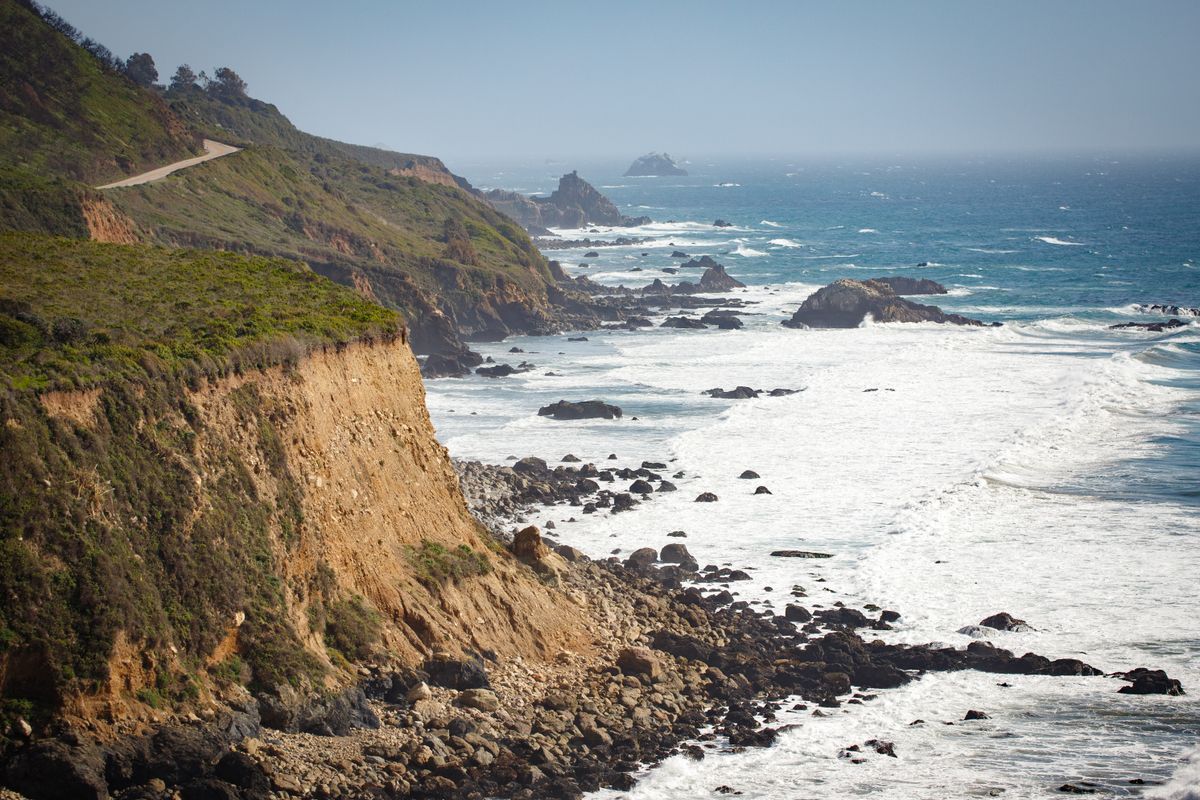
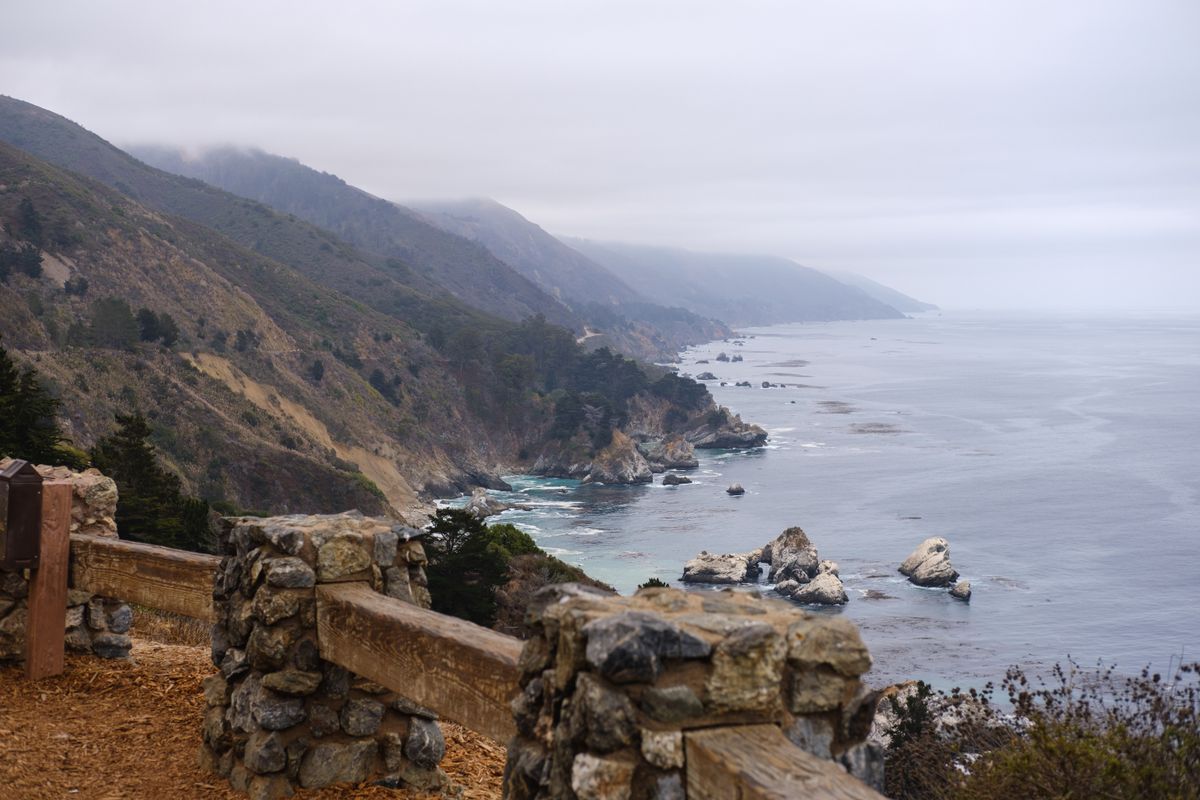
Cambria — this is the coast these pages are about.
Quick answer: Cambria Tree Care — The tree that thrives here is the one chosen for this coast: fog, salt, wind and shallow soil are the local constraints, and mature size is the constraint most often ignored. Planting is a matter of putting the right species in a site that can hold it, then keeping the root flare visible and the first summers watered.
- Typical timing: Autumn planting, so winter rain does the establishment work; the first two summers decide the tree.
- What it involves: Matching mature canopy and root spread to the space, planting at the depth the tree grew in, and staking only when it is needed.
- The standard: Cal Poly’s SelecTree species data and university extension planting guidance.
- Where we work: Gardens and acreage from Cambria through Cayucos and Morro Bay.
- Our own record: 503 pages and 291 stories published on this site. Counted from our own archive, not a stock table.
Field note. What we see is that the coast is forgiving to the right species and unforgiving to the wrong one: the same tree that looks comfortable four streets in will burn on the windward side of a Cambria lot.
On the other hand, natives are not automatically the answer at every address — a species that belongs in the watershed can still be the wrong size for the garden it is standing in.
A village built inside a native pine forest
The Cambria Community Services District describes this as one of three native Monterey pine stands left on the coastal California mainland. That fact changes the job. These are not street trees planted in a parkway; they are a century-old forest with houses threaded through it, and on Lodge Hill or Park Hill an 80-foot pine can stand closer to a bedroom window than to the property line.
Thin soils, salt air and fog that keeps bark damp for days all belong to the same picture. So does the fact that a tree which has leaned for forty years can decide to finish the lean in one winter storm.
What we check before recommending a cut
Pitch canker is documented in eighteen coastal counties by UC IPM, and Monterey pine is its most widely affected host. That does not mean every resin-soaked branch is canker, and it certainly does not mean every pine should come down. It means the tree has to be read from the ground: the root flare, the lean, the soil at the base, the deadwood in the crown, the shape of the leader, and what stands within falling distance.
A pine with a sound trunk and one heavy limb over a roof is usually a weight-reduction job. A pine with a dead top and a softened base is a different conversation, and we will have it plainly.
Working between cottages
Most Cambria removals are not felled; they are dismantled. Side yards in the East and West Villages leave no room for a drop zone, so the work goes down in sections on rigging, with ropes controlling the direction and the landing. Driveways off Ardath Drive, Richard Avenue and Cornwall are narrow enough that the chipper stays on the street.
On Marine Terrace and Moonstone Beach the constraint is the wind coming off the water, which can pick up through an afternoon and change what is safe to rig. We plan the sequence around that, not around how fast the job can be finished.
The bluff, the creek and the preserve edge
Fiscalini Ranch Preserve protects bluffs, prairie and forest along the west edge of town, and its trails — Bluff Trail, Forest Loop, Marine Terrace Trail — are not a work site. When a limb from a preserve tree hangs over a private parcel, the conversation is about what can be done from the parcel side, and sometimes the answer is that the limb stays.
Santa Rosa Creek and its tributaries cut through town and shape how water moves under root plates in a wet year. A tree on a creek bank after a saturated month deserves a closer look than the same tree in August.
What we do on Cambria properties
If you are planning the care rather than booking a job, our guide to tree care in Cambria walks through the year: watering, mulch, pruning windows, permits and the warning signs worth a call.
- Pine removals over structures, rigged in sections where there is no room to fell.
- Deadwood and end-weight reduction on mature pines that are worth keeping.
- Coastal cypress and oak work in gardens where clearance matters more than shape.
- Stump grinding in side yards too narrow for a standard grinder to reach easily.
- Pre-sale and pre-storm inspections, with the findings explained in plain language.
- Storm response when a tree is on a roof, a driveway or a power drop.
The storm that showed the pattern
On January 9, 2023 the services district reported flooding at Santa Rosa Creek and Windsor Boulevard, on West Main Street and San Simeon Creek Road, and restricted access to Park Hill. The same report records a large tree into a home, a tree into a water line, and several more across power lines and roads. That is the shape of a bad day here: not one dramatic landslide but a dozen separate failures in the same eight hours.
If a tree is already down on something that matters, keep people clear, do not cut anything under tension, and call (805) 927-4414. Our emergency crew works around the clock.
Talk to us about a specific tree
Estimates are written and specific, and they do not change because the job turned out to be awkward. Call (805) 927-4414, read how a removal is planned, or look at what a proper pruning cut involves. This is the home town; the neighbouring communities each have their own page under locations.
Everything we do in Cambria
Each of these is a full page on how the work is done in Cambria specifically — the soils, the species, the local rules and the access. Start with the one you need.
Questions, quotes, or just exploring — we’re here to help.