



Feeding the Soil Before You Feed the Tree
Aeration & Fertilization in Cambria, CA
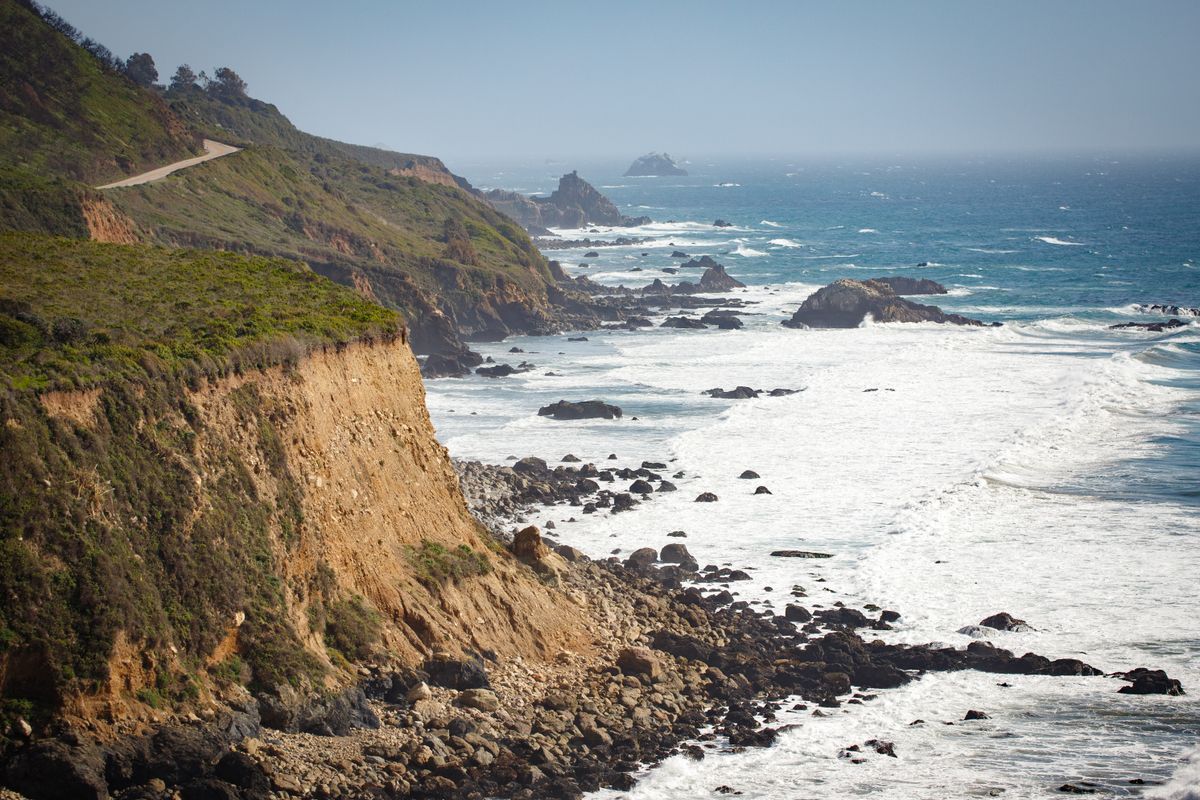
Cambria — this is the coast these pages are about.
Quick answer: Aeration & Fertilization in Cambria, CA — A stump is the part of the problem that is still in the ground: it holds the roots that lift pavement, keeps a species alive if it re-sprouts, and occupies the spot where the next planting goes. Grinding removes it below the surface so the ground can be worked again, and the roots that matter are the ones under the driveway rather than the ones beside the trunk.
- Typical timing: Any month the ground is workable; rain-softened soil grinds fastest and leaves the cleanest spoil.
- What it involves: Assessing re-sprout risk by species, grinding below grade, raking the spoil back, and handling surface roots separately from the stump.
- The standard: ISA guidance on root cutting and the ANSI A300 pruning standard where roots and crown are worked together.
- Where we work: Cambria, San Simeon, Harmony, Cayucos, Morro Bay, Los Osos and the Cambria pine belt.
- Our own record: 503 pages and 291 stories published on this site. Counted from our own archive, not a stock table.
Field note. On this coast the stump is rarely the end of the job: Monterey pine and eucalyptus both keep enough energy in the roots to push new growth, so we are looking at the species before we quote the grind rather than after.
On the other hand, a stump left in a garden bed is sometimes the better answer — it decays, feeds the soil and costs nothing — so grinding is a choice, not a rule.
Feeding a Pine on a Cambria Lot Is Mostly About the Soil, Not the Bag
Root-zone aeration and fertilization on this coast is a smaller intervention than the leaflet that came with the fertiliser suggests.
The soils here are sandy and thin over marine terrace, leached by winter rain and loaded with salt from the wind, and a tree on that ground is usually not short of food so much as short of the air and biology that let it take food up. Adding nitrogen to compacted soil is like putting groceries in a locked pantry.
So we test before we treat, and we are willing to conclude that no fertiliser is warranted at all.
What the Soil Test Tells You
A laboratory test — pH, organic matter, phosphorus, potassium, salinity and micronutrients — is the only reliable basis for a fertiliser decision, and it costs less than a single unnecessary application. Our coastal soils tend to sit slightly alkaline and low in organic matter, which locks up iron and manganese and shows as interveinal yellowing on species that would be green fifty metres inland. That yellowing is not a nitrogen problem, and nitrogen will not fix it.
Aeration First
Compaction is the common condition on a lot that has been driven over, paved or graded. Air spading and radial trenching open the pore space that roots need, and they are the prerequisite for anything else — fertiliser applied to compacted ground leaches past the roots or runs off into the storm drain. Where the soil is already open, we may recommend aeration is unnecessary and stop there, which is a useful result rather than a lost sale.
What to Apply, and What Not To
- Slow-release and organic sources over quick soluble nitrogen, which pushes soft growth a coastal wind will shred and a dry season will kill back.
- Mulch as the base treatment. A coarse chip layer feeds the soil biology that makes nutrients available, and it is what the Cambria mulching work is really delivering.
- Mycorrhizal products, honestly. The evidence for commercial inoculants on established trees is weak, and the coastal pines and oaks here are already colonised. We do not sell them as a cure.
- Nothing under a native oak. Feeding a coast live oak pushes soft growth into the wind and into disease; the right treatment for an oak is usually restraint.
Where It Fits the Rest of the Work
Nutrition problems very often arrive dressed as something else — a thin crown, early leaf drop, a slow decline that reads as disease. If a tree has been losing vigour for more than a season, the useful first step is a tree inspection at the Cambria hub to separate a soil cause from a pest, water or root-damage cause. The Cambria services hub lists the full sequence, and our services covers the rest of the coast.
Ask Before You Spread Anything
Send us the species, the symptoms and what you have already applied, and we will tell you whether a soil test is worth the money. Call (805) 927-4414 or reach us through the contact page.
Questions, quotes, or just exploring — we’re here to help.