
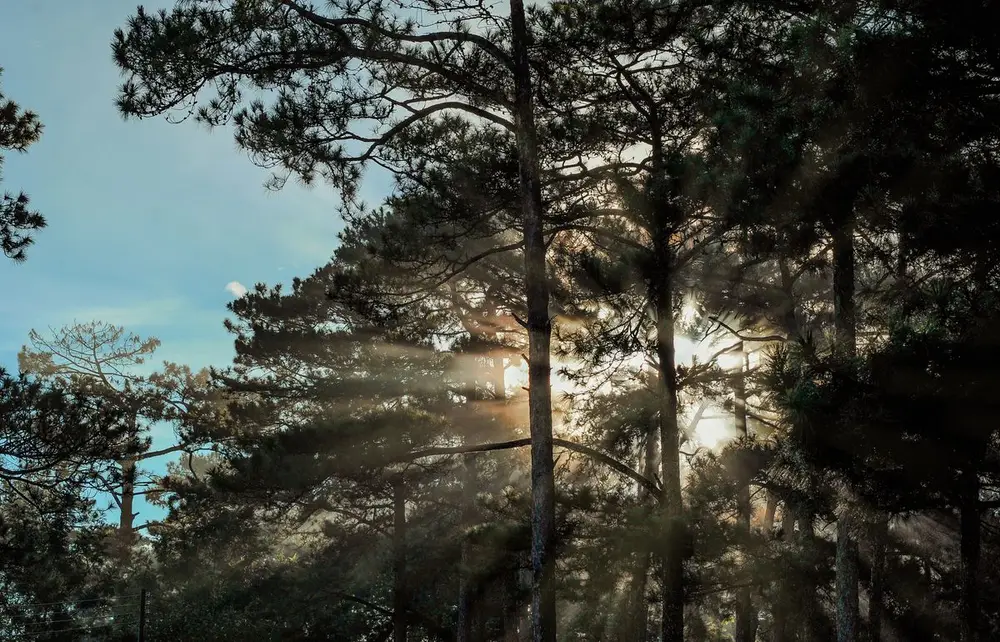
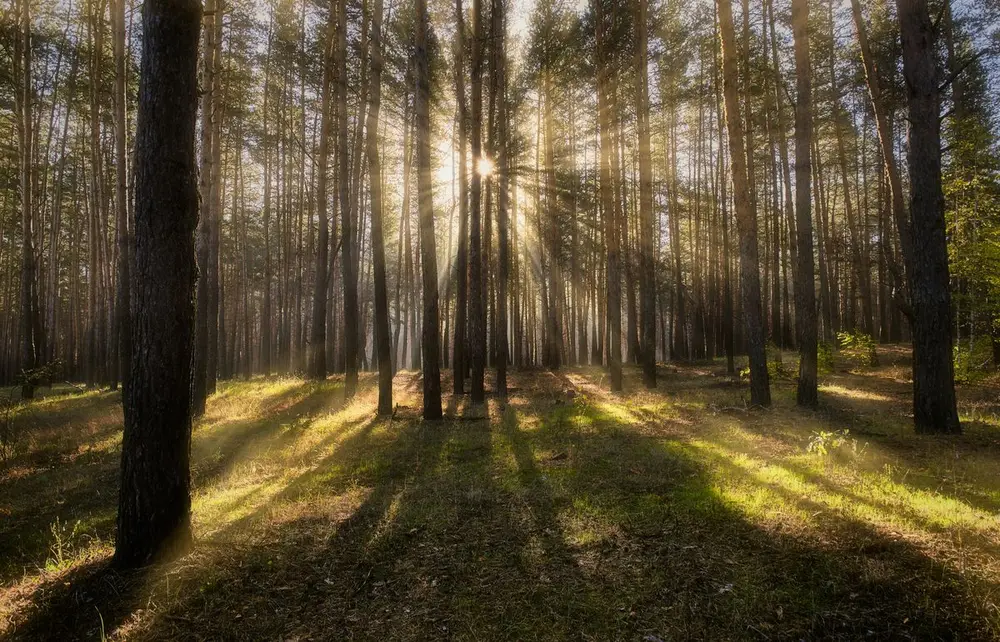
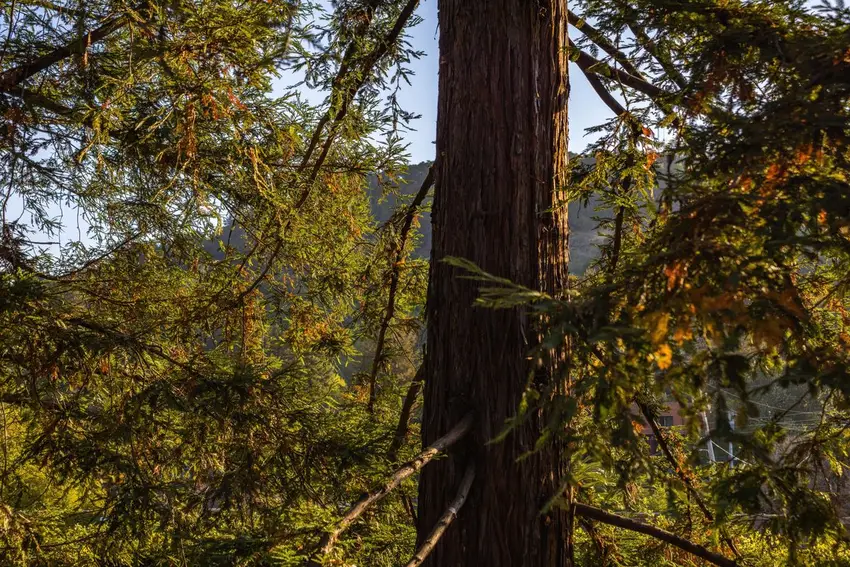
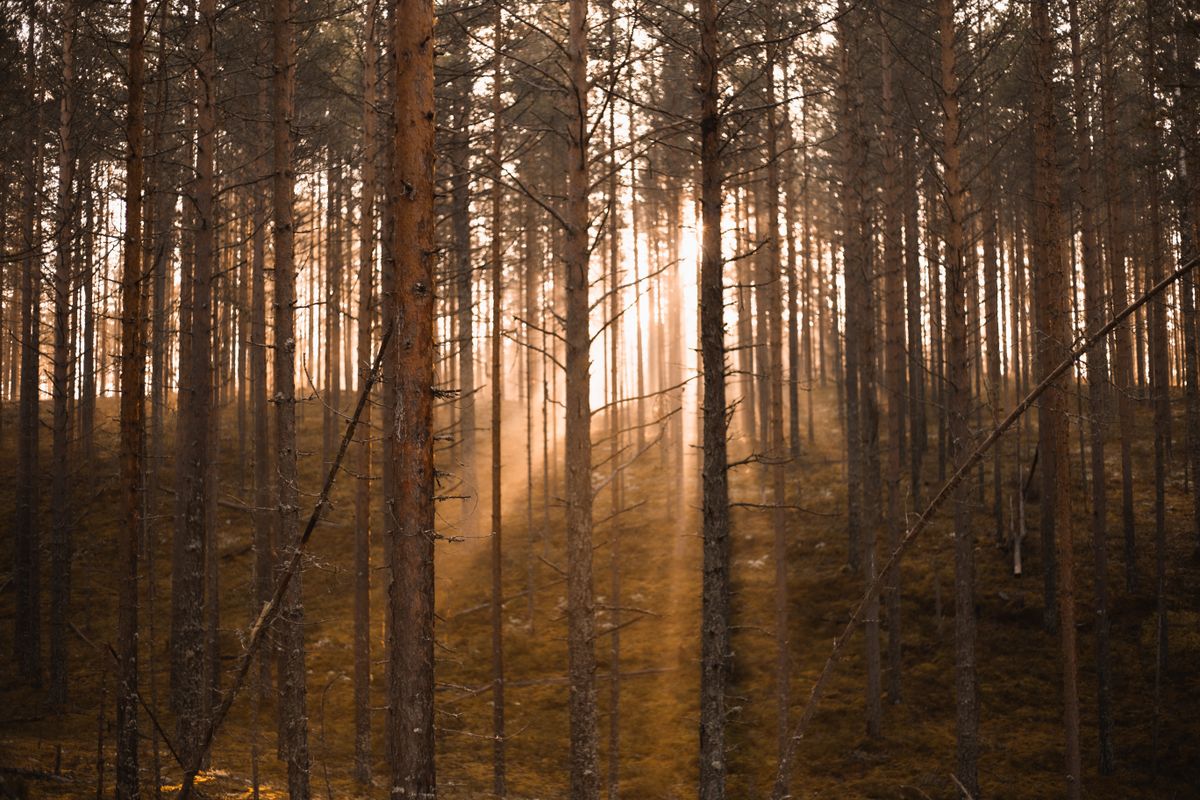
Cambria one of the last native Monterey pine stands on the coast, worked between cottages on Lodge Hill and Park Hill.
Quick answer: Central Coast Tree Service Locations — Trees on this coast live with fog, salt, wind and thin soil, and the work that keeps them healthy is decided by those conditions rather than by a calendar written inland. Structure, clearance and the root zone are what a tree here needs looked at, and small work done early is what keeps a tree out of the emergency list.
- What it involves: Structural pruning, clearance from structures and wires, deadwood removal, root-zone care and hazard assessment.
- Typical timing: Structural work in the dormant months; deadwood, clearance and hazard work whenever the tree needs it.
- The standard: The ISA standards for pruning and tree risk assessment, applied by ISA-certified arborists.
- Where we work: Cambria, San Simeon, Harmony, Cayucos, Morro Bay, Los Osos and the Cambria pine belt.
- Our own record: 503 pages and 291 stories published on this site. Counted from our own archive, not a stock table.
Field note. What we see on this coast is that the trees people worry about are usually not the ones in trouble: the pine with a clean crown and a lean that predates the house is often sounder than the tidy tree that has been quietly drowning in its own root zone.
On the other hand, there is no schedule that suits every tree — the same species on two sides of one street can need opposite care, which is why we look before we recommend.
Standards and sources: Tree care standards (ISA — International Society of Arboriculture) · Pest and disease notes (UC IPM — University of California pest management)
Prepared by Cambria Pines Tree Service Inc. — ISA-certified arborists working on the Central Coast.
Eight Communities, Eight Different Tree Problems
This business is based in Cambria, and the crew drives the coast and the grade from there. What does not travel is the diagnosis. A Monterey pine on a bluff above the Pacific and a valley oak on the Salinas River side of the county are different trees in different soils under different rules, and the work that keeps each one standing is not interchangeable.
Each community page below explains what actually happens to trees there — the species, the weather, the permits, the access — so you can judge whether the advice fits your address.
Choose Your Community
Cayucos beach terraces and hillside lots where salt wind decides the shape of every canopy.
Morro Bay cypress, eucalyptus and palms in a city that has held Tree City USA status for more than two decades.
Los Osos old coastal dunes, fast-draining sand, and the dwarf oaks of the Elfin Forest and Los Osos Oaks.
San Luis Obispo a city tree ordinance, creek setbacks, and native oaks that are protected before anyone lifts a saw.
Harmony two and a half acres, one paved street, and the old creamery buildings at the foot of the coastal hills.
San Simeon ridge pines, a creek that floods, and one road in and out.
Atascadero inland oak woodland, summer heat, and a native-tree permit that starts at two inches of trunk.
What Changes From Town to Town
The first difference is species. On the coast the canopy is Monterey pine, Monterey cypress, eucalyptus and coast live oak, with salt and wind doing as much shaping as any pruner. Over the grade at Atascadero the woodland is blue oak, valley oak and coast live oak on hot, dry slopes, and the questions are about regeneration, root-zone loss and fire rather than salt burn.
San Luis Obispo sits between the two, with creek sycamores, redwoods in the older neighborhoods and a native-tree list written into the municipal code.
The second is the rulebook. San Luis Obispo and Atascadero each enforce their own native-tree ordinance, with permit thresholds measured in trunk diameter and, in San Luis Obispo's case, a hard limit on how much live canopy can come off in one pruning.
The unincorporated communities answer to San Luis Obispo County, where coastal parcels have a separate tree-removal request and the oak woodland rules apply inland. Anyone who quotes a price before asking which jurisdiction a parcel sits in is guessing.
The third is access. A village lot in Cambria may have no drop zone at all and everything comes down in sections on a rope. A Los Osos property on dune sand may need mats and a lighter truck. A San Simeon job can hinge on a single road that closes when the creek comes up. The equipment and the plan follow from that, not the other way round.
What Stays the Same
Every job gets a written estimate before any cut, a plan for what happens to the wood and the debris, and a walk-through at the end. Nobody is asked to approve work they do not understand. If the honest answer is that a tree should stay, that is the answer you will get. Start with the service list if you already know what you need, or call (805) 927-4414 and describe what the tree is doing.
The travelling radius — which towns sit inside thirty miles of the Cambria yard and which are a scheduled drive — is set out on the tree service areas page.
Next step
Ready when you are.
Questions, quotes, or just exploring — we’re here to help.