

Leaning that worsens
a new or increasing lean, especially after storms, often means root failure.

On a Cambria lot the tree is rarely the hard part; the roof, the fence and the neighbour's car are. How a removal is planned before the first cut.
Quick answer: Tree Removal in Cambria, CA — Removing a tree is planning before it is cutting: where the wood lands, what is under it, whether a rope or a crane takes the weight, and what is left when the crew drives away. A removal is finished when the drop zone is clear and the stump is dealt with, not when the trunk hits the ground.
Field note. What we see here is that access decides the price more than height does: a pine over a fence on a slope with no driveway costs more to take down safely than a taller tree with a clear drop, and the plan is where that shows up.
On the other hand, removal is not the only safe answer — a tree with one failing limb, or a lean that can be corrected by reduction, is often better kept and managed than gone.
Cambria's pines, oaks and coastal cypress define our streets and our views, but age, disease, drought stress and coastal wind eventually take their toll. A leaning pine over a bedroom, a root-rotted oak beside a fence line, or a cypress hollowed out by decay is not a tree you can wait on. When a tree becomes a hazard, removal is the safest and most responsible choice.
Our licensed, insured crew has spent more than 15 years taking down difficult trees across Cambria and San Luis Obispo County, and we do it with the property protection that coastal homes demand.
Not every troubled tree needs to go — but some warning signs should never be ignored. Call us for an honest assessment if you notice:
a new or increasing lean, especially after storms, often means root failure.
thinning foliage, dead branches or bark falling away signal serious decline.
hollow-sounding wood, fungal growth or cracks compromise the whole tree.
heaving soil, severed roots from construction, or fungus at the base.
split leaders, hanging limbs or lightning strikes after coastal weather.
trees crowding roofs, power lines, driveways or septic systems.
Every removal follows a deliberate, safety-first sequence refined over hundreds of jobs:
a certified tree care professional evaluates the tree's condition, lean, targets below and the safest direction of work.
we protect landscaping, fencing and structures, and establish clear drop zones and escape routes.
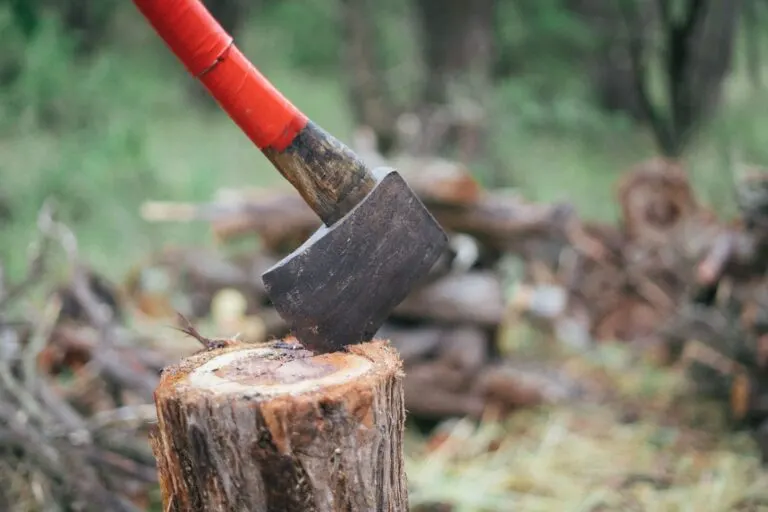
the tree is taken down in sections, often roped and lowered piece by piece rather than felled whole.
large or hazardous trees near homes are dismantled with specialized equipment and technique.
every limb, chip and log is removed or processed as you've requested, and the site is left tidy.
Coastal California trees each demand their own approach. Monterey pines here in Cambria grow tall and heavy-crowned, and beetle-killed or drought-stressed pines can fail without warning. Coast live oaks hold dense, strong wood that requires careful sectional cutting, and they're protected by local ordinances that we navigate for you. Cypress, so common along our coastal bluffs, often hides internal decay behind a green exterior — which is why we test before we cut.
Living and working in Cambria means understanding local soil conditions, coastal wind patterns and how each species behaves. We're not a big out-of-town operation — we're your neighbors, and we know these trees.
Homeowners often ask which service their tree actually needs. Here's how they differ:
We will never sell you a removal that a trimming or a treatment could solve.
the right first step when you're unsure; a tree care professional evaluates health and risk and tells you honestly whether the tree can be saved.
the answer for overgrowth, deadwood, clearance and storm-worthiness; most problem trees are kept, not cut.
reserved for trees that are dead, hazardous, diseased beyond recovery or in the way of construction.
the finishing step after removal, clearing the remaining stump so you can replant or regrade.
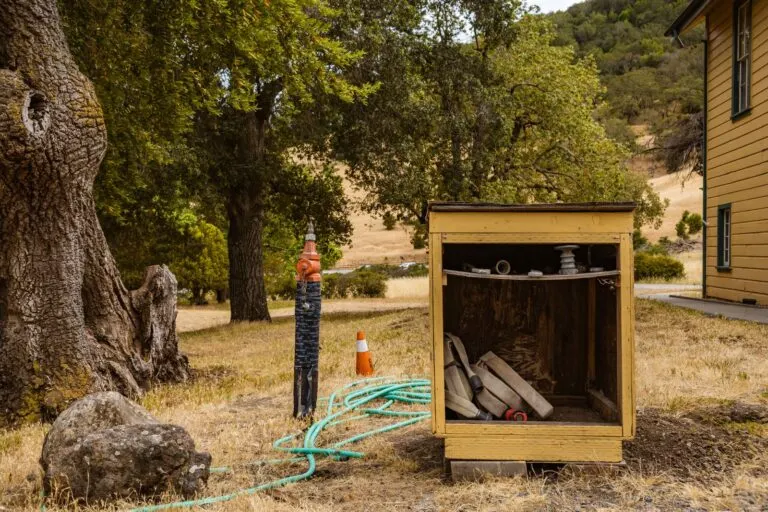
The tree is only half the job — the other half is everything standing around it. Our crew plans every removal around your roof, gutters, siding, fencing, decks, irrigation lines and plantings. Ropes and rigging control every piece we cut, plywood and ground protection shield lawns and hardscape where equipment must travel, and we stage brush and logs so nothing lands where it shouldn't.
When you choose us, you're choosing a company that cares about your property as much as you do.
Our certified tree care professionals follow International Society of Arboriculture (ISA) standards to ensure every job meets the highest professional standards — and we carry full insurance so you're never exposed.
A removal isn't finished when the last branch hits the ground. Before we call the job complete, we:
Grind or schedule grinding for the remaining stump, if requested.
Chip, haul away or leave wood as firewood — your choice, agreed up front.
Rake and clear the work area of debris and sawdust.
Fill or level the stump area so the yard is usable again.
Advise on replanting options suited to Cambria's coastal conditions.
Some trees, particularly oaks and trees in protected zones, require approval. We know the local requirements and will tell you what applies to your property.
Yes. Hazardous trees near structures are exactly what our sectional dismantling and rigging are for.
We offer stump grinding as a separate service and can bundle it with your removal for one visit.
It depends on size, species, condition and access. Every estimate is free and transparent, with no surprises.
Yes, we provide 24/7 emergency response after coastal storms.
Ready to have a hazardous tree looked at? Call Cambria Pines Tree Service at (805) 927-4414 or request your free estimate online — we'll give you an honest answer about whether your tree should stay or go.
Once the tree is down, the job is usually only half finished. The city-level page for the work is tree removal in Cambria; the stump is covered on the stump grinding service page and in the current stump grinding cost guide, with grinding versus full removal comparing the two. If wind or a split trunk forced the decision, start with a tree risk assessment for the trees still standing, or call emergency tree service when it is happening now.
Cambria Pines Tree Service takes down the hazardous trees here and cleans up after; the rest of what we do is on our Cambria tree service page, and (805) 927-4414 reaches a licensed, insured crew.
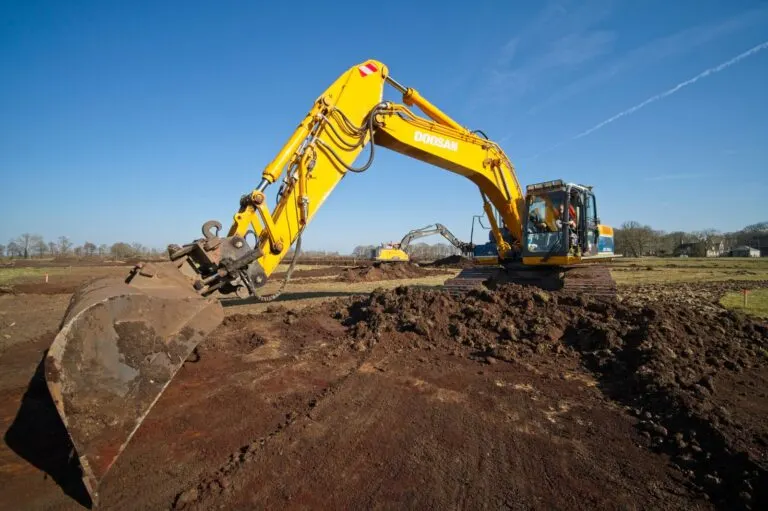
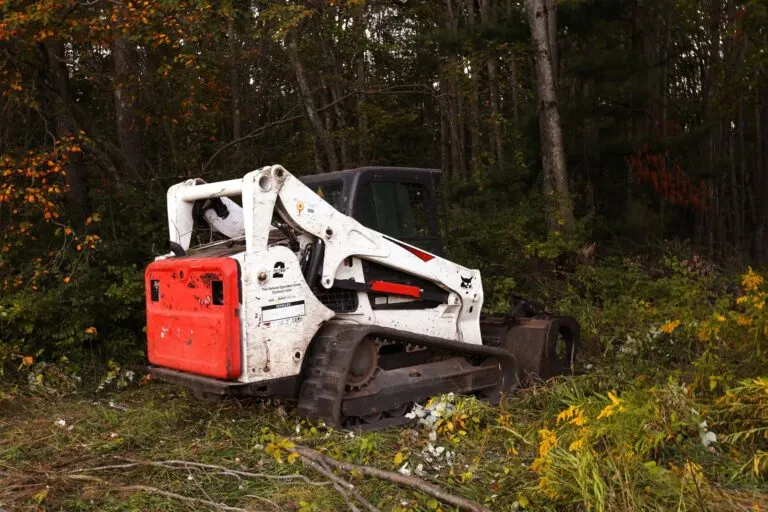
Questions, quotes, or just exploring — we’re here to help.
The damage is almost never the tree. It is the machine that came to take it away.
Read story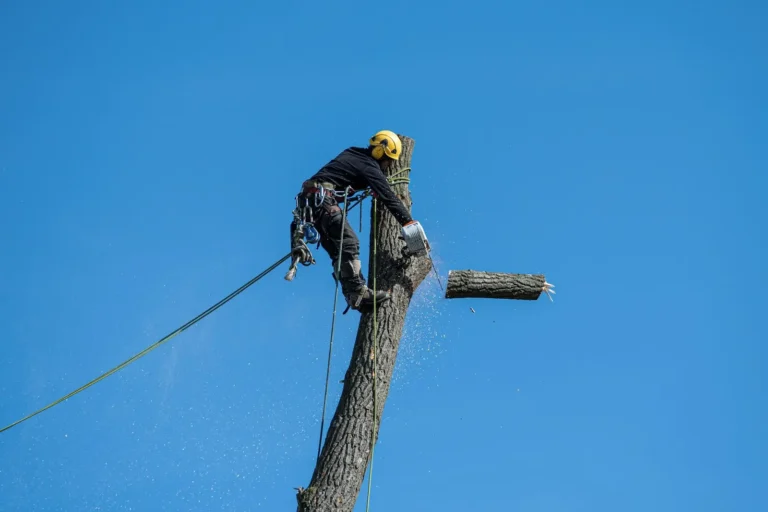
The height is not the hard part. The hard part is that everything you cut has to go somewhere, and…
Read story
Nothing about a dead tree gets better with age. Some of it gets worse quickly.
Read story
The stump is the easy part. The rock, the wire and the root plate are what send people to the…
Read story
A stump looks like an ending. In a garden it behaves like the beginning of a long argument between the…
Read story
By the time the first saw starts, four decisions about the material have already been made. Most of them were…
Read story