Stump Removal Hazards: What the Manuals Leave Out
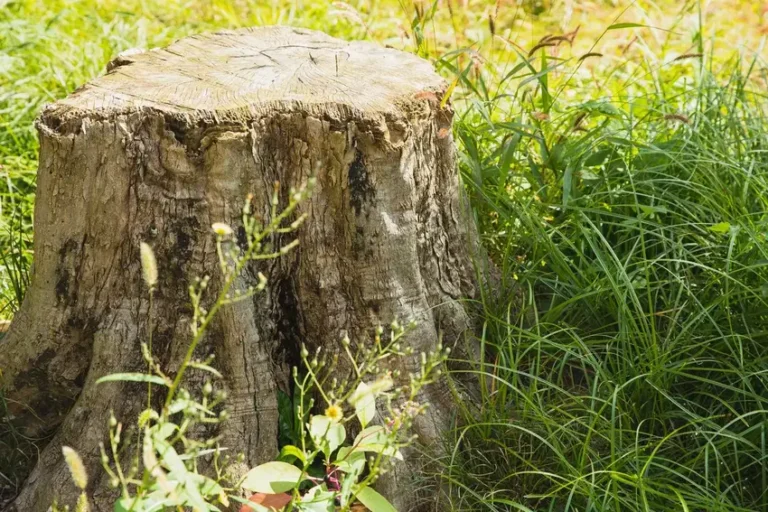
Quick answer: Stump Removal Hazards: What the Manuals Leave Out — A stump is the part of the problem that is still in the ground: it holds the roots that lift pavement, keeps a species alive if it re-sprouts, and occupies the spot where the next planting goes. Grinding removes it below the surface so the ground can be worked again, and the roots that matter are the ones under the driveway rather than the ones beside the trunk.
Field note. On this coast the stump is rarely the end of the job: Monterey pine and eucalyptus both keep enough energy in the roots to push new growth, so we are looking at the species before we quote the grind rather than after.
On the other hand, a stump left in a garden bed is sometimes the better answer — it decays, feeds the soil and costs nothing — so grinding is a choice, not a rule.
A stump looks like the safest tree work there is. It is on the ground, it is not going to fall, and the machine does one thing. That is exactly why homeowners rent grinders and why the injuries happen: the hazard moved from the canopy to the ground, where nobody is looking for it.
Hazard one: the cutting wheel does not stop for soil
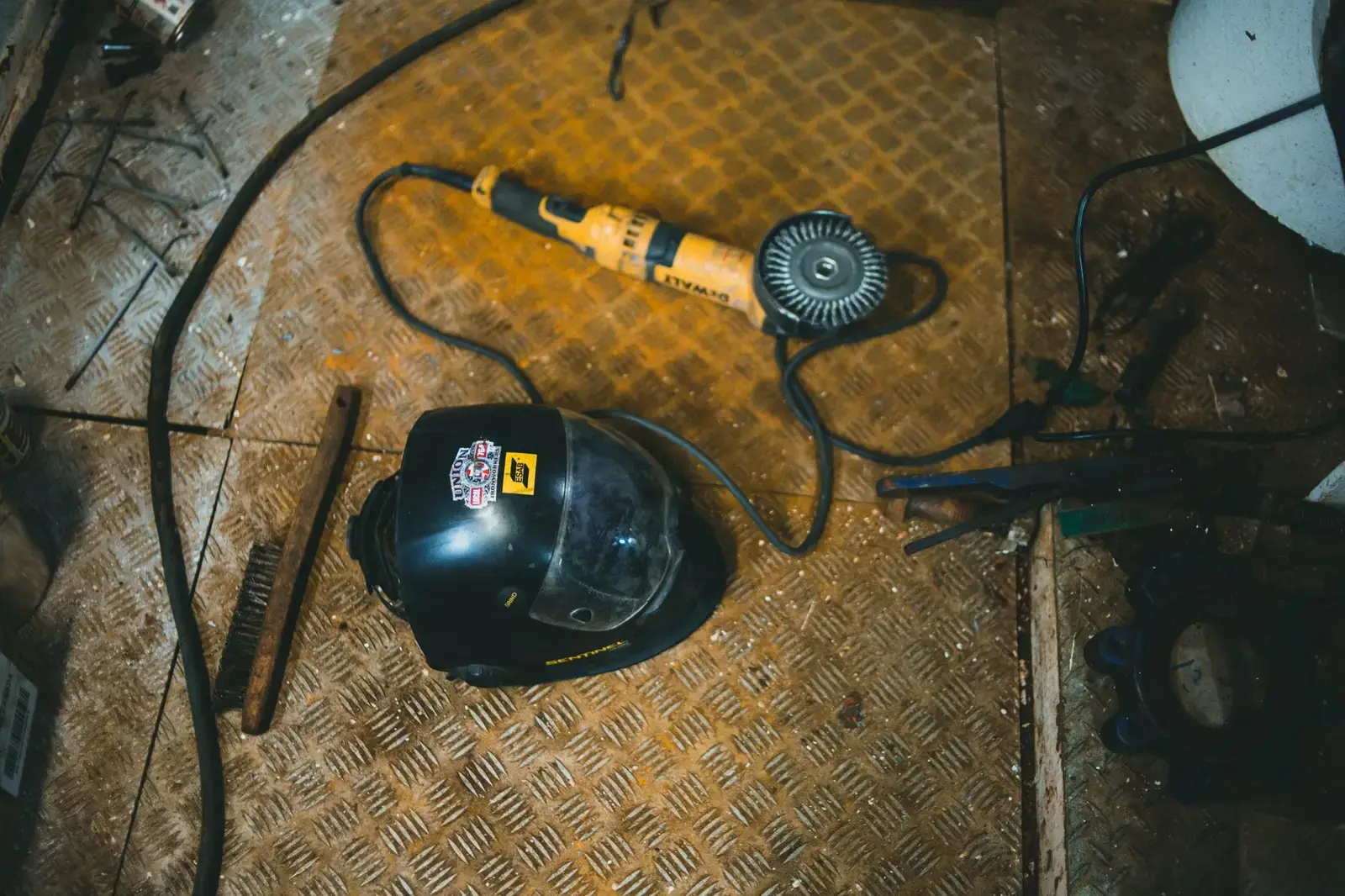
A stump grinder‘s wheel is a flywheel with carbide teeth. It throws material in the direction of rotation, and it will throw a rock the size of a fist through a fence at head height. Eye protection, a face shield and hearing protection are not optional, and neither is a perimeter. The manufacturer’s manual says this.
What it does not say is that on a coastal lot the wheel will find river rock at eight inches and the rock will leave faster than the chips.
Keep people and animals behind the operator, not beside the machine. The safe zone is a half-circle behind the grinder, and it needs to be bigger than feels necessary.
Hazard two: what is buried in the root plate
Fence wire, chain, irrigation line, a lost axe head, a horseshoe. A grinder does not cut metal, it grabs it, and a grabbed chain can whip. Before any grinding, sweep the stump and the surrounding soil with a metal detector or a probe. If the tree grew through a fence line, assume there is wire in it.
The other buried object is the utility line. Call 811 before you grind. It is free, it takes a few days, and it is the difference between a stump and a gas leak.
Hazard three: the stump is not the root plate
Grinding to eight inches leaves the structural roots in place. If the stump is near a foundation, a driveway or a retaining wall, the decaying root plate will consolidate and the surface above it will settle — sometimes years later. That is not a grinding hazard, it is a planning hazard, and it is the reason a stump that will be built over should be pulled rather than ground.
Hazard four: the hole
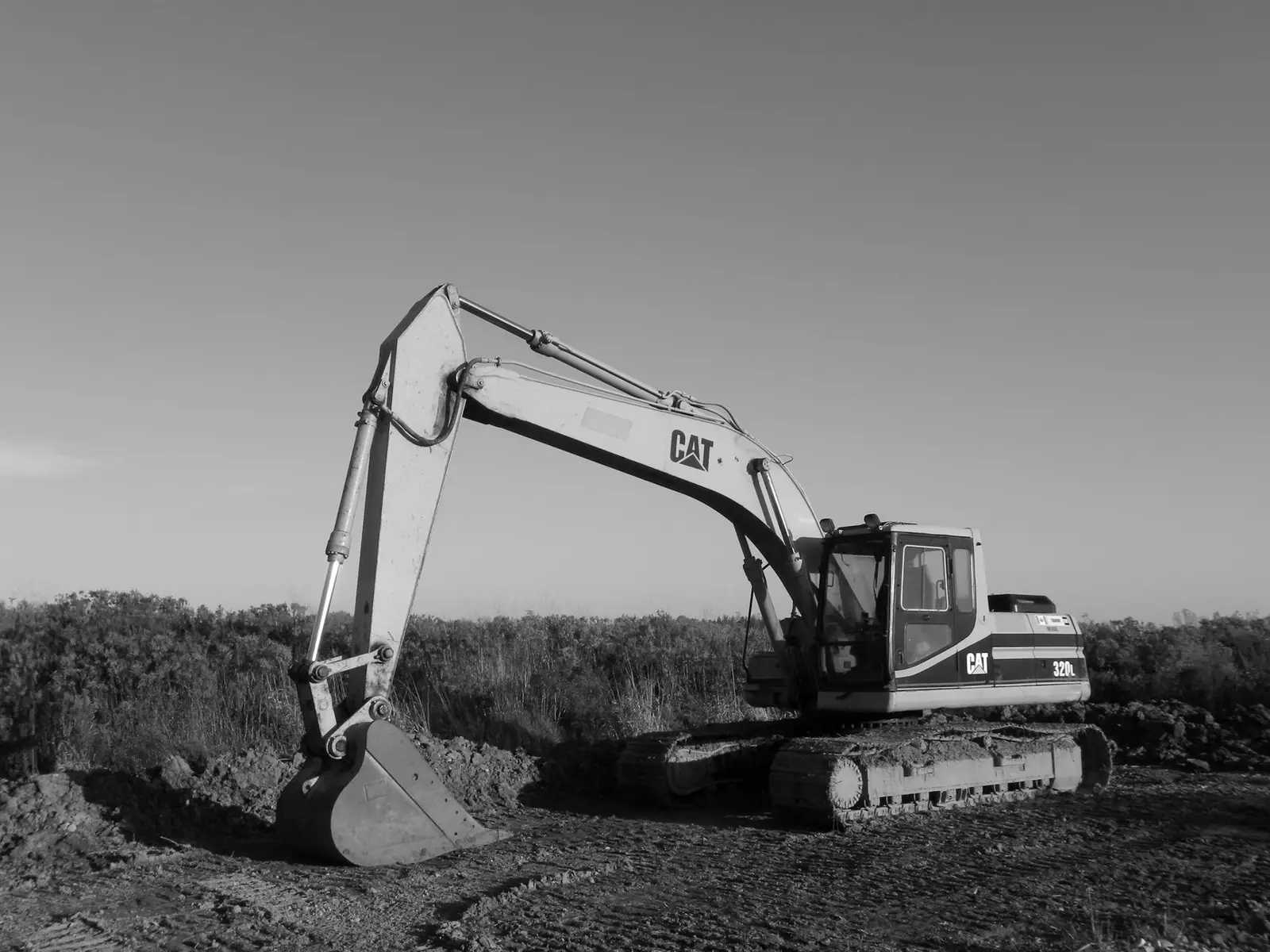
After the grind there is a crater full of chips. Chips are not soil: they subside, they hold little water at the surface, and they are a poor medium for a new tree. Backfill with native soil, use the chips as mulch around something else, and if you are replanting, set the new tree at least three feet off the old centre.
A hole left open is also a trip hazard and, on a slope, a place for water to collect against a wall.
If the stump is within a metre of a wall, a service line or a slope crest, the honest answer is that this is not a rental-machine job. The machine is cheap; the repair is not.