


Commercial & HOA Tree Care in Cambria, CA
HOA & Commercial Tree Care in Cambria, CA
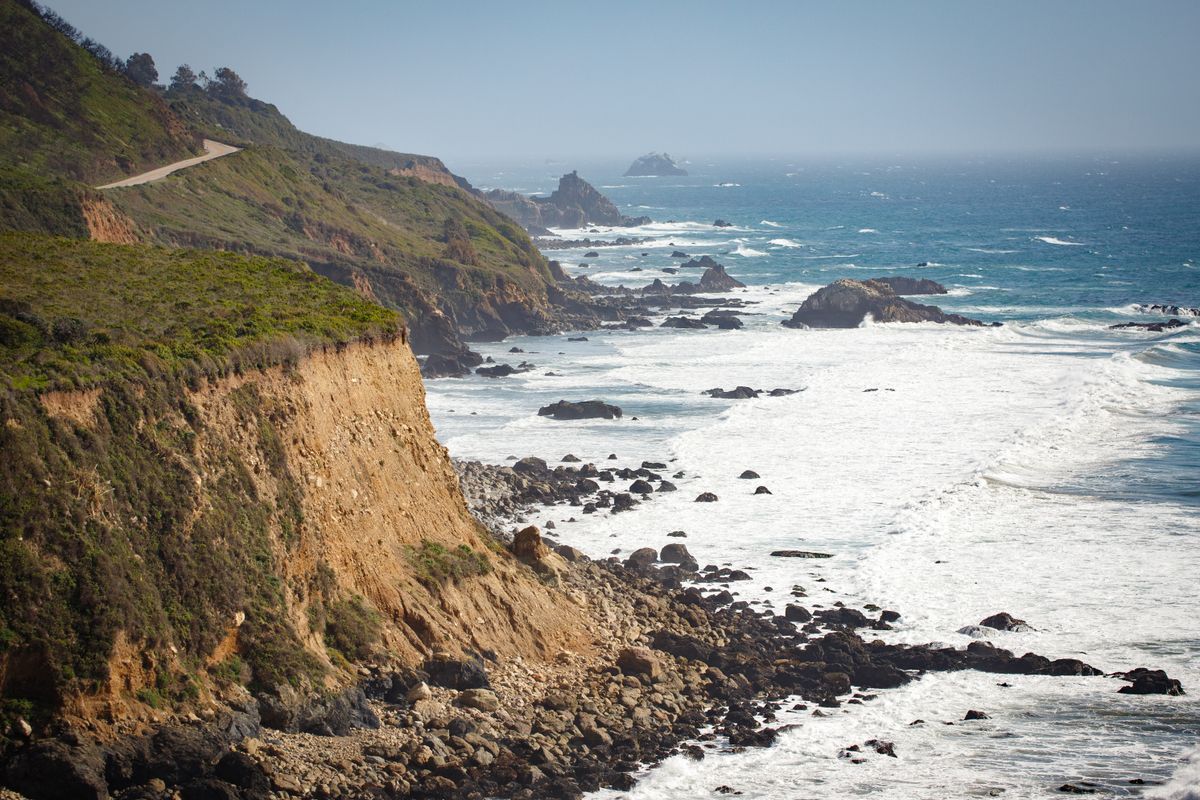
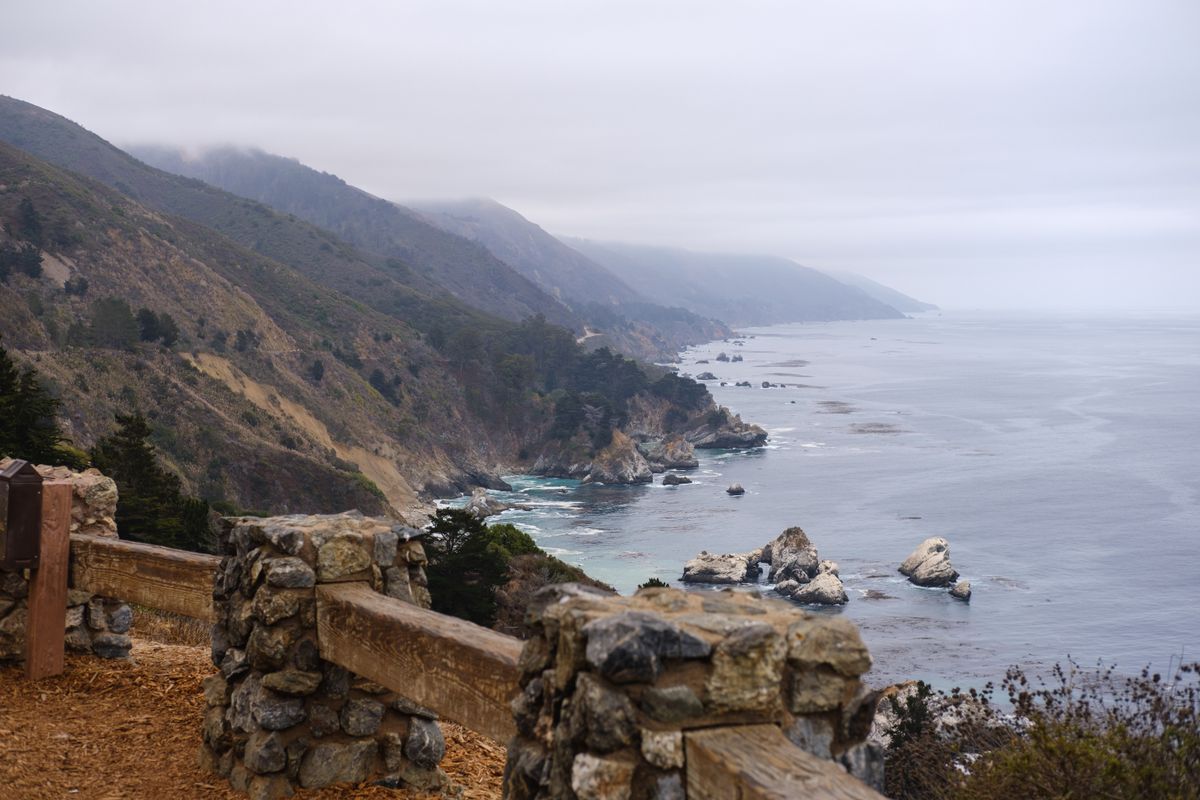
Cambria — this is the coast these pages are about.
Quick answer: HOA & Commercial Tree Care in Cambria, CA — Trees on this coast live with fog, salt, wind and thin soil, and the work that keeps them healthy is decided by those conditions rather than by a calendar written inland. Structure, clearance and the root zone are what a tree here needs looked at, and small work done early is what keeps a tree out of the emergency list.
- What it involves: Structural pruning, clearance from structures and wires, deadwood removal, root-zone care and hazard assessment.
- Typical timing: Structural work in the dormant months; deadwood, clearance and hazard work whenever the tree needs it.
- The standard: The ISA standards for pruning and tree risk assessment, applied by ISA-certified arborists.
- Where we work: Cambria, San Simeon, Harmony, Cayucos, Morro Bay, Los Osos and the Cambria pine belt.
- Our own record: 503 pages and 291 stories published on this site. Counted from our own archive, not a stock table.
Field note. What we see on this coast is that the trees people worry about are usually not the ones in trouble: the pine with a clean crown and a lean that predates the house is often sounder than the tidy tree that has been quietly drowning in its own root zone.
On the other hand, there is no schedule that suits every tree — the same species on two sides of one street can need opposite care, which is why we look before we recommend.
There is a difference between the tree work a homeowner buys and the tree work a property buys, and it is almost never about the trees. It is about the calendar, the paperwork and the parking. An inn on Moonstone Beach cannot lose its driveway on a Saturday in July; a small HOA on a pine lot cannot have a crew arrive unannounced and leave a chipper in the turnaround for two days.
Our commercial work is organised around those constraints first and the cutting second, because a job that saves money on the invoice and costs a weekend of bookings is not a saving.
What a property manager actually needs
Three things, in this order: a schedule they did not have to invent, one contact who answers, and a document trail that survives a board meeting. We build a written cycle for the property — what gets inspected, when, and by whom — because the failure mode we see most is not neglect.
It is deferred maintenance: a windbreak that was fine in 2019, thinned by the drought, and now carrying a dead lead over a tenant's parking space that nobody has the budget line for. Once the cycle is written, that cost stops arriving as an emergency and starts arriving as an annual number.
The cycle, and why it is cheaper than the call-out
A coastal property in this town usually wants three passes a year.
Late winter, after the rain and wind have done their work, for a full walk and the corrective pruning; late spring, for the clearance lines — roof, service drop, sign, street frontage — before the dry season makes every cutting job a fire question; and early autumn, for the defensible-space work that keeps the parcel in front of CAL FIRE's expectations and, on the commercial side, satisfies the brush-clearance letter rather than arguing with it.
Anything that fails between those passes is an emergency by definition, and emergency rates exist for a reason: they carry the risk of a crew working a compromised tree with a deadline attached.
The per-tree cost of a scheduled pass is roughly half the cost of the same work bought as an emergency, and the inventory effect matters more than the rate. A tree that is walked twice a year gets pruned while it can be climbed; a tree that is walked only when something breaks gets a crane and a traffic plan.
(805) 927-4414One contact, one paper trail
For every commercial engagement we keep an owner-side file: the property's tree inventory with species and condition, the work record with dates, the photographs before and after, the arborist's name and licence, and our certificate of insurance with the additional-insured endorsement your HOA documents require.
When a board asks whether the pines behind Building C have been looked at, the answer is a page, not a memory. When a guest's car is scratched by a limb, it is the same page that answers the insurer.
Working around guests, tenants and parking
We stage the way a property needs: early starts before a breakfast service, chipping on site where the noise window allows and hauling whole where it does not, mats over the pavers, cones for the drop zone, and a ground person whose only job is keeping the public out of it.
Cambria's one-way street pair, the narrow driveways and the absence of a real equipment yard mean the plan is written per property — a crane where a load beside the highway can be picked in one lift, hand rigging where the only access is a stair. That is also why the site visit matters before the quote: the difference between the two approaches is not the tree, it is the access.
If you manage a property here and the trees are the item everyone postpones, start with the walk. We will tell you what the next twelve months need to cost and what can honestly wait, in writing, before anything is scheduled.
Field note — Adrian Delacroix reads the clause before the crown: what the policy says about a falling limb, what the board minutes need to show, and which line in a maintenance agreement decides who pays for the stump.
Questions, quotes, or just exploring — we’re here to help.