


What the Conks and the Lean Are Saying
Hazard Tree Evaluation in Cambria, CA
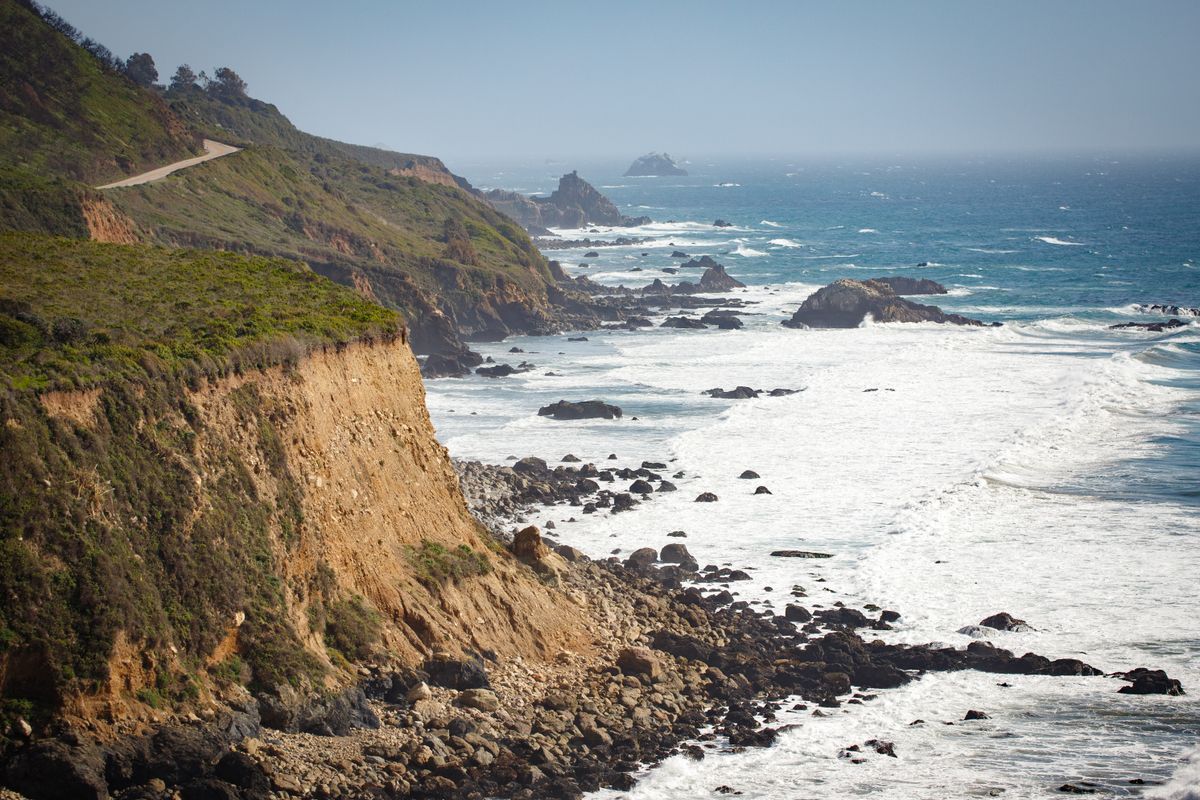
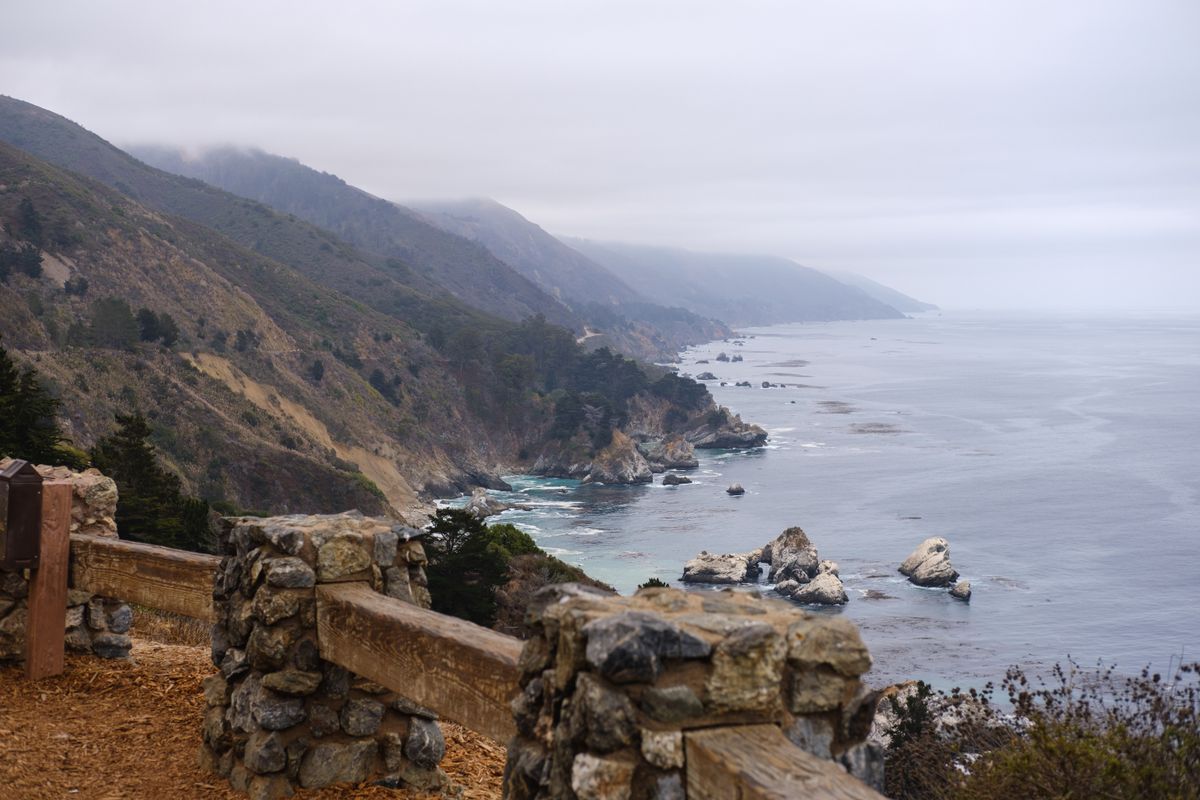
Cambria — this is the coast these pages are about.
Quick answer: Hazard Tree Evaluation in Cambria, CA — Removing a tree is planning before it is cutting: where the wood lands, what is under it, whether a rope or a crane takes the weight, and what is left when the crew drives away. A removal is finished when the drop zone is clear and the stump is dealt with, not when the trunk hits the ground.
- Typical timing: When the tree is a hazard, the schedule is immediate — storm damage, split leaders and leaners do not wait for good weather.
- What it involves: A written plan for the drop zone, rigging or crane work over structures, protecting driveways and roofs, and deciding the stump’s fate in advance.
- The standard: The ANSI Z133 safety standard for arboricultural operations, and ISA best practice for removals near structures.
- Where we work: Small town lots, coastal acreage and the narrow properties of the Cambria pine belt.
- Our own record: 503 pages and 291 stories published on this site. Counted from our own archive, not a stock table.
Field note. What we see here is that access decides the price more than height does: a pine over a fence on a slope with no driveway costs more to take down safely than a taller tree with a clear drop, and the plan is where that shows up.
On the other hand, removal is not the only safe answer — a tree with one failing limb, or a lean that can be corrected by reduction, is often better kept and managed than gone.
A hazard tree evaluation in Cambria is what you do before deciding anything, and it is done on foot with a mallet, a screen and a sceptical eye. The pines on these bluffs telegraph their condition if you know the signals: fungal conks, a cavity that answers hollow, included bark in a fork, cracks and seams in the stem, a root plate lifted on the uphill side.
Reading those is a skill, and the result is a priority rather than a verdict — how urgent is this, and against what.
What the fungus is telling you
Where a conk appears matters as much as which species it belongs to. A shelf fungus at the base of a pine means decay in the root and butt wood — the exact tissue holding the tree up — and a species that causes that class of decay is a serious finding on a wind-loaded coastal lot.
A conk high in the crown usually means the branch it sits on is already hollow. Recognising the difference prevents a lot of unnecessary removals and catches the ones that matter.
Cavities, cracks and seams
An open cavity is not automatically a problem: how much sound wood surrounds it decides. A crack or a seam running down the stem is a different finding, because it means the wood has separated and the tree is relying on geometry rather than on continuous fibre.
We look for seams that run out of a fork and for any that move — a seam wider than last year is a live signal, which is why photographs and dates belong in the record.
Included bark, and the fork that decides it
A narrow-angled union with bark trapped in the crotch never becomes a strong attachment; it is the classic failure point on the pines and cypresses here. The evaluation names it and rates the consequence — what sits under the fork. Two trees with the same defect on different lots are two different requests: one is reduce the competing stem, the other is a removal before the next winter.
The root plate, which is often the answer
On this coast the wood is frequently fine and the ground is the problem. Lifted soil, a mound on the leeward side, a visible arc of cracking in the duff, a lean that has changed — those point at the plate, and no amount of crown work fixes a root system that has lost its grip. That is why the evaluation starts at the ground.
What you get, and what it is not
The result is a short written judgement with a priority attached, enough to act on. It is not the formal risk assessment a court or a carrier may want — that is a longer document with methods and ratings — and the honest thing is to say which one your situation actually needs.
If a tree has started making you think, call (805) 927-4414 or use the contact page and we will walk it before either of us decides anything.
Questions, quotes, or just exploring — we’re here to help.