


Where the Winter Rain Actually Goes
Drainage & Grading in Cambria, CA
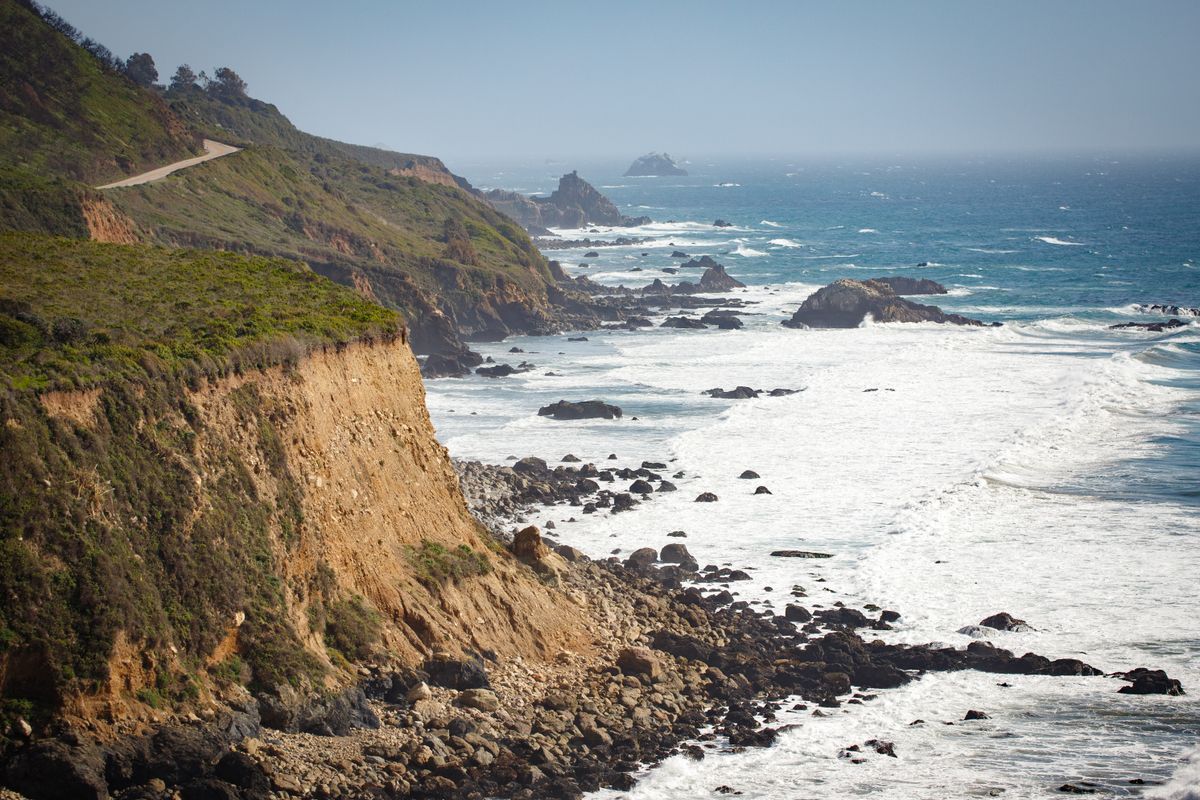
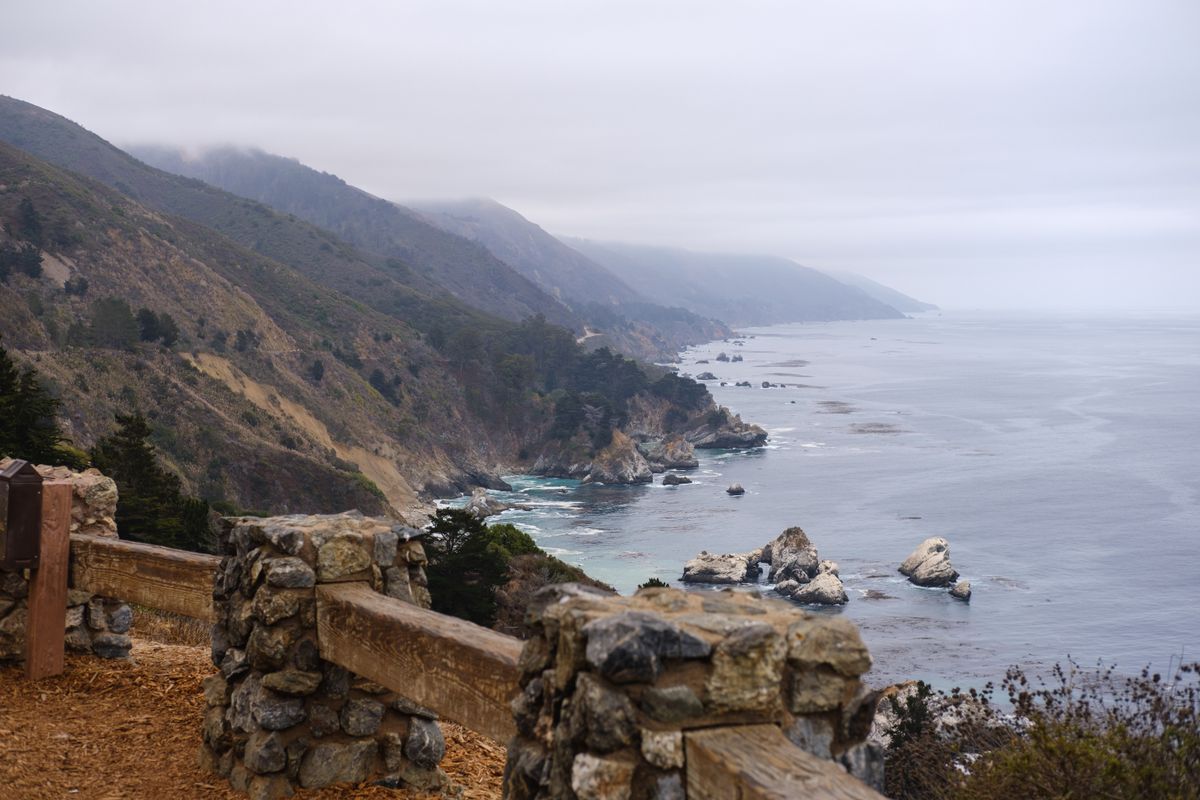
Cambria — this is the coast these pages are about.
Quick answer: Drainage & Grading in Cambria, CA — Trees on this coast live with fog, salt, wind and thin soil, and the work that keeps them healthy is decided by those conditions rather than by a calendar written inland. Structure, clearance and the root zone are what a tree here needs looked at, and small work done early is what keeps a tree out of the emergency list.
- What it involves: Structural pruning, clearance from structures and wires, deadwood removal, root-zone care and hazard assessment.
- Typical timing: Structural work in the dormant months; deadwood, clearance and hazard work whenever the tree needs it.
- The standard: The ISA standards for pruning and tree risk assessment, applied by ISA-certified arborists.
- Where we work: Cambria, San Simeon, Harmony, Cayucos, Morro Bay, Los Osos and the Cambria pine belt.
- Our own record: 503 pages and 291 stories published on this site. Counted from our own archive, not a stock table.
Field note. What we see on this coast is that the trees people worry about are usually not the ones in trouble: the pine with a clean crown and a lean that predates the house is often sounder than the tidy tree that has been quietly drowning in its own root zone.
On the other hand, there is no schedule that suits every tree — the same species on two sides of one street can need opposite care, which is why we look before we recommend.
On a Cambria Lot, Water Goes Wherever It Is Allowed To
Drainage and grading around trees on this coast is mostly a winter problem with a summer cause. Cambria's rain arrives in a handful of intense storms on ground that is sandy on top and often compacted or clay-pan below, and the lots are narrow, sloped and crowded with pines whose root flares cannot be buried.
Water that is not directed ends up pooling against a foundation, cutting a gully beside a driveway, or standing over a tree's feeder roots for a week at a time.
The grading that fixes the house can quietly kill the tree, which is why the two have to be designed together.
Reading Where the Water Actually Goes
Before anything is dug, the useful exercise is tracing every source: roof runoff and downspouts, driveway sheet flow, the neighbour's uphill lot, a sump or septic discharge, and irrigation overspray. On the older parcels in West Village and along the bluff, a surprising share of the water on a lot arrives from somewhere else, and a drainage plan that ignores that source will fail in the first real storm.
We walk the lot during or just after rain where we can, because the flow paths are obvious then and invisible later.
The Tools, in Rough Order of Cost
- Swales and surface shaping. A shallow graded channel that carries water where you want it, away from structures and root flares, at a gradient that moves water without scouring.
- Downspout extensions and curtain drains. The cheapest wins on most lots: getting roof water ten feet further from the foundation and into a proper destination.
- French drains. A gravel-and-pipe trench for subsurface water, placed where it does not sever a root system across the flow line.
- Dry wells and infiltration. Soakage pits that let water back into the ground, sized to the soil's real percolation rather than a guess.
- Retaining and terracing. Where a slope is too steep to hold, and where the engineer's input matters.
Grading Without Burying a Tree
Two rules decide whether a regrade helps or harms. First, never raise the soil level around a trunk: the root flare must stay at or above finished grade, because burying it starves and rots the base. Second, never cut the grade across a root zone to fix a low spot — removing soil from one side of a mature pine removes the anchorage on that side.
Where a new level is genuinely required, the honest answer is often a low retaining wall that steps around the tree rather than a slope that runs through it. This is the same distinction that separates removal work in Cambria from what a careful grade change can make unnecessary.
Where This Connects
Drainage, erosion and slope stability are one conversation on the coast. Surface loss is the erosion control brief; mass movement on a bluff is the bluff work at the Cambria hub; and both start with the same drainage survey. Our services sets out the whole picture.
Have the Lot Walked
Send a photograph of the low spot in a storm and tell us where the roof water goes. Call (805) 927-4414 or use the contact page.
Questions, quotes, or just exploring — we’re here to help.