


Emergency Tree Service in Cambria, CA
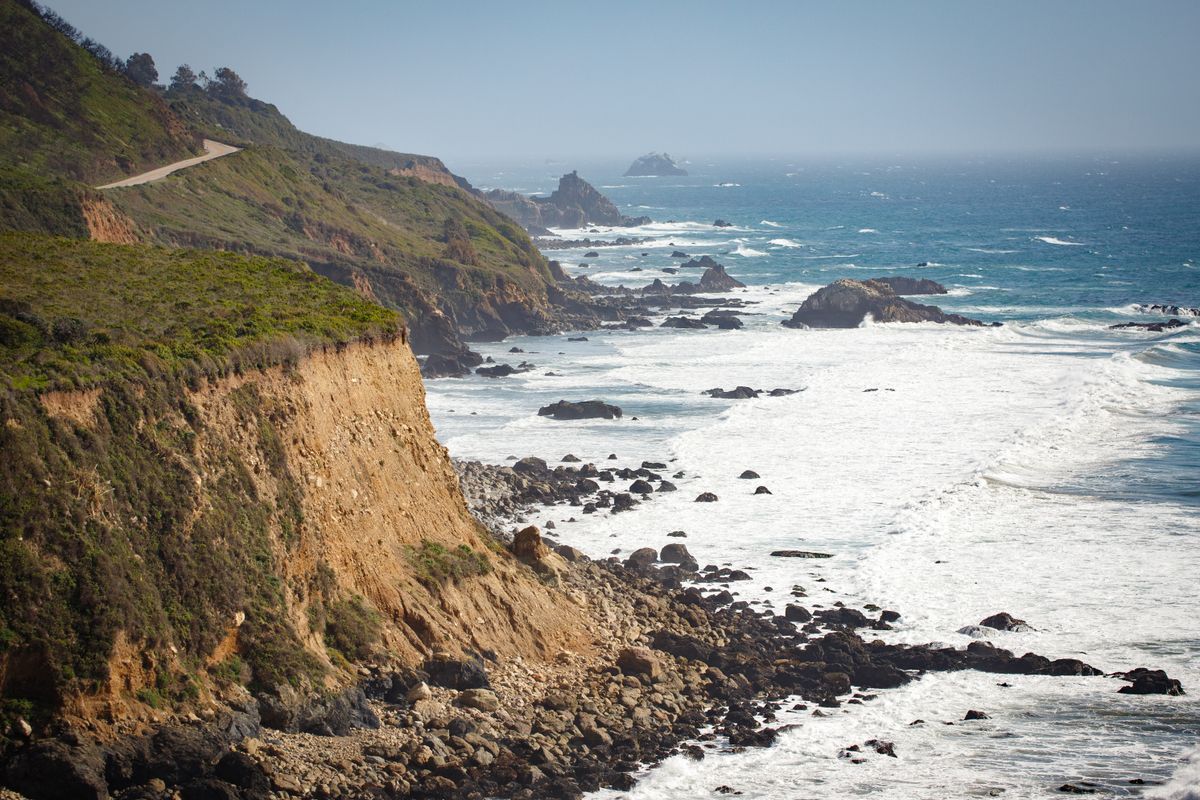
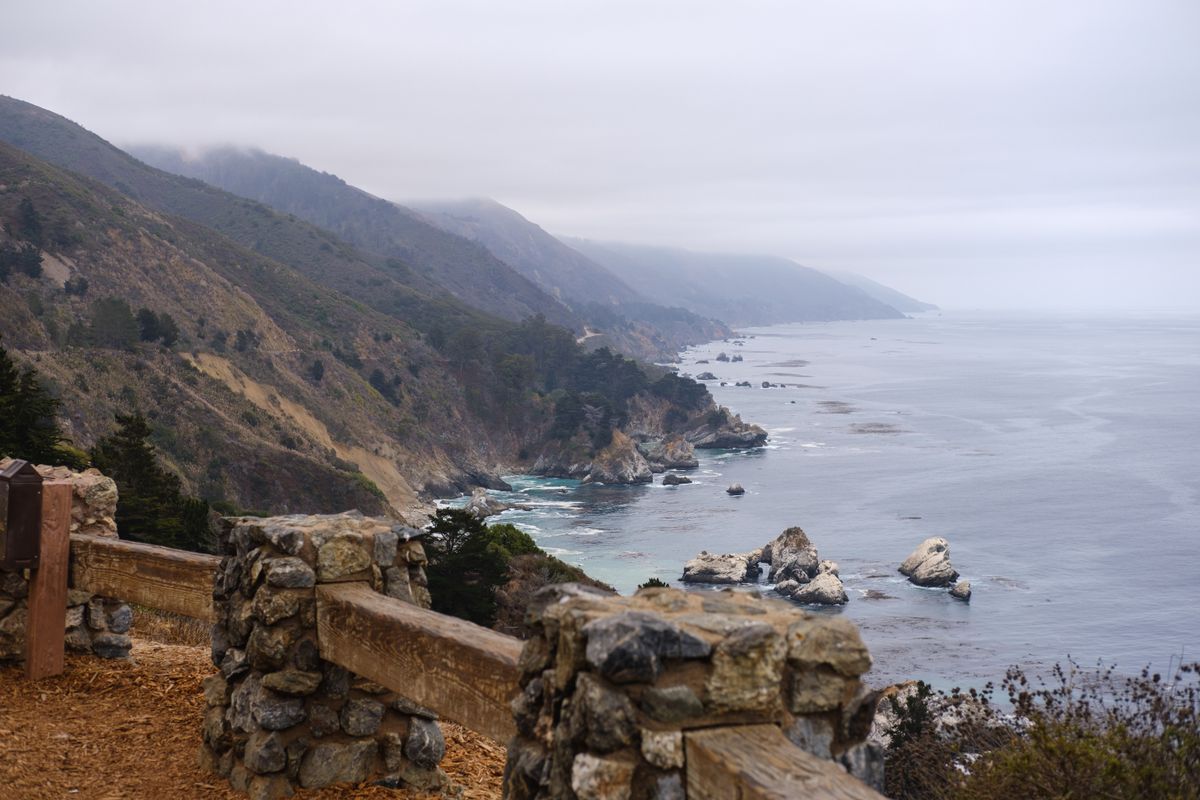
Cambria — this is the coast these pages are about.
Quick answer: Emergency Tree Service in Cambria, CA — Removing a tree is planning before it is cutting: where the wood lands, what is under it, whether a rope or a crane takes the weight, and what is left when the crew drives away. A removal is finished when the drop zone is clear and the stump is dealt with, not when the trunk hits the ground.
- Typical timing: When the tree is a hazard, the schedule is immediate — storm damage, split leaders and leaners do not wait for good weather.
- What it involves: A written plan for the drop zone, rigging or crane work over structures, protecting driveways and roofs, and deciding the stump’s fate in advance.
- The standard: The ANSI Z133 safety standard for arboricultural operations, and ISA best practice for removals near structures.
- Where we work: Small town lots, coastal acreage and the narrow properties of the Cambria pine belt.
- Our own record: 503 pages and 291 stories published on this site. Counted from our own archive, not a stock table.
Field note. What we see here is that access decides the price more than height does: a pine over a fence on a slope with no driveway costs more to take down safely than a taller tree with a clear drop, and the plan is where that shows up.
On the other hand, removal is not the only safe answer — a tree with one failing limb, or a lean that can be corrected by reduction, is often better kept and managed than gone.
Emergency Tree Service in Cambria
Cambria's storms do not announce themselves. A wet front off the Pacific, ground already soft from two months of rain, and a 40-knot gust is all it takes: a pine comes out by the roots, or sheds the limb it has been carrying for years, and the quiet street is suddenly a job that cannot wait for Monday. We run the coast for exactly those calls.
When you call, the first questions
- Anyone hurt? If a line is down or a vehicle is trapped, call 911 first; we work around the emergency services, not before them.
- Any wires involved? Nothing gets touched until the utility has cleared it. Pacific Gas and Electric responds to downed lines on the coast, and no tree company is allowed to work energized conductors.
- Is the tree still moving? If it is held by a structure or leaning against one, the right move is often to stabilize first and cut second.
- What is the damage path? Photos of the tree, the structure and the access help us bring the right equipment the first time.
What emergency work actually is
True emergency work is stabilization and access: removing the pressure of a tree from a roof or car, clearing the driveway so a family can reach the road, cutting and stacking the material that now blocks a right-of-way. It is not the same as clearing the stump or replacing the fence. Those come next.
A night call may mean we make the site safe and return in daylight for the rest, because the most dangerous tree work happens in the dark, on wet ground, around damaged structures — and a rush that injures a neighbor or a crew is not help.
How to keep a storm from becoming an emergency
Almost every emergency call we run in Cambria traces back to a tree that was already telling someone it was in trouble. The warnings are readable from the ground: a new lean after a wet winter, a crack in the soil at the base on the downhill side, mushrooms or conks on the trunk, a crown that thinned last summer and never filled back in, dead limbs hanging over the driveway or the power drop.
Before storm season, do the walk. Look at every tree within falling distance of the house, the cars and the road, and write down what worries you. Then have an arborist read the list: some entries will be nothing, some a pruning visit, and a few removals that are far better done in October than in February at midnight. Our inspection service exists for exactly this walk, and the removal calendar fills quickly after the first big rain.
Keep the practical pieces ready too: know where the gas and water shutoffs are, keep the driveway clear enough for a truck, and have a crew that knows the coast saved in a phone that works when the power does not. An emergency handled by people who already know your street is shorter and safer than one handled by strangers off the highway.
The insurance half
Once the tree is on a structure, the claim starts immediately and so does the documentation. We photograph the tree and its stump before cutting, note the diameter and species, mark what was damaged and keep the invoices for the removal. Someone else's tree, your tree, a shared fence — the paperwork follows the tree's ownership, and photographs made before the cleanup are the evidence an adjuster asks for weeks later.
Storm season planning beats storm season reaction: our inspection service reads the trees likeliest to fail, and a scheduled removal is a controlled day rather than an emergency at midnight. Reach the general emergency tree service page or the main Cambria page for everything else.
Questions, quotes, or just exploring — we’re here to help.