

Already Past Saving, and Harder to Take Down
Dead & Dying Tree Removal in Cambria, CA
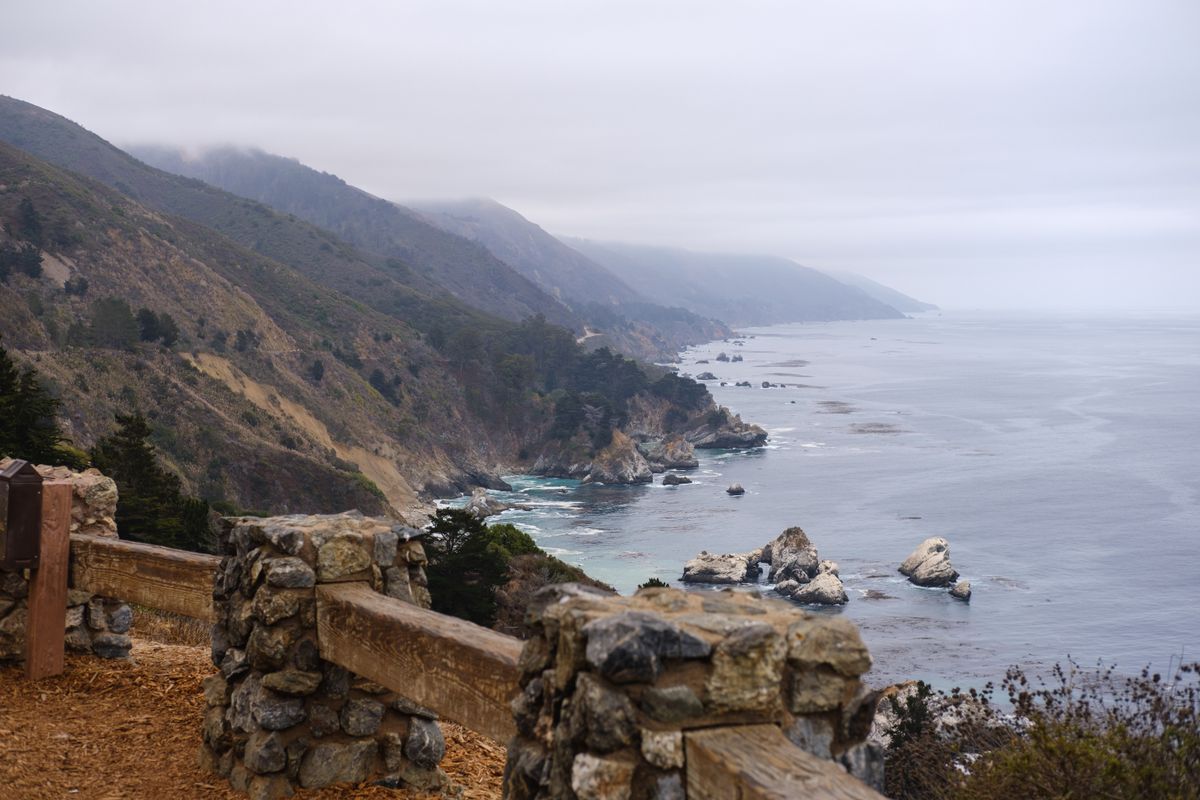
Cambria — this is the coast these pages are about.
Quick answer: Dead & Dying Tree Removal in Cambria, CA — Removing a tree is planning before it is cutting: where the wood lands, what is under it, whether a rope or a crane takes the weight, and what is left when the crew drives away. A removal is finished when the drop zone is clear and the stump is dealt with, not when the trunk hits the ground.
- Typical timing: When the tree is a hazard, the schedule is immediate — storm damage, split leaders and leaners do not wait for good weather.
- What it involves: A written plan for the drop zone, rigging or crane work over structures, protecting driveways and roofs, and deciding the stump’s fate in advance.
- The standard: The ANSI Z133 safety standard for arboricultural operations, and ISA best practice for removals near structures.
- Where we work: Small town lots, coastal acreage and the narrow properties of the Cambria pine belt.
- Our own record: 503 pages and 291 stories published on this site. Counted from our own archive, not a stock table.
Field note. What we see here is that access decides the price more than height does: a pine over a fence on a slope with no driveway costs more to take down safely than a taller tree with a clear drop, and the plan is where that shows up.
On the other hand, removal is not the only safe answer — a tree with one failing limb, or a lean that can be corrected by reduction, is often better kept and managed than gone.
Cambria holds more standing dead pine than most towns on this coast, and the reason is a decade of drought followed by beetles that finish what the dry years began. Dead tree removal here is planned work, not an emergency call, and the argument for planning it is the same thing that makes it dangerous: dead wood is not the wood a climber was trained on.
It is lighter, drier and more brittle, and a limb that would have bent on a living pine can shear under a rope.
Dead, dying, or just this coast's winter
The first question is diagnosis, because a Monterey pine on a Marine Terrace lot can look finished in February and be pushing candles again in April. A dead tree has no green cambium under the bark, which we check with a small cut on a low branch rather than by eye from the driveway.
A dying tree still has live tissue but is losing it from the top and the outside in — on this coast usually meaning the fine roots went first. And a dormant-looking tree in a wet winter is frequently neither. Telling those three apart decides whether the answer is removal, treatment, or a season of watching.
Why the job changes when the tree is dead
Climbing a dead pine is a different risk class. The tie-in point in the crown may hold a climber's weight on a good day and not on a bad one, so the plan usually avoids relying on the tree at all: a bucket truck where the drive allows it, a crane where the pieces are too heavy to lower, or a felling plan in sections from the base with the ground cleared.
Rotten cavities at the base change the hinge, which is why the decay pattern is read before anyone starts a saw.
Beetle kill on these lots
The trees that died in the 2016-2020 drought are still standing on a lot of parcels, and many are now in the window where a limb drops on its own schedule. Loose bark and a missing top are the pattern that tells us a tree is months from shedding rather than years. On a narrow lot between two houses that is a target problem even though nothing at ground level is difficult to work around.
The stump, and the replanting question
Removing a dead pine usually means grinding the stump — dead wood does not decay as fast as people expect, and the root plate is still holding soil — and then deciding whether anything goes back.
On most Cambria lots the honest answer is to let the ground settle for a season, keep the chips as a mat, and choose a species that suits the fog and the salt rather than replacing one pine with another that will die the same way.
If you have been watching a dead pine for a couple of winters, have it read before the season turns. Call (805) 927-4414 or use our contact page and we will say which of the three it is and what it needs.
Questions, quotes, or just exploring — we’re here to help.