


The Letter From the Carrier, Answered
Insurance Compliance Clearance in Cambria, CA
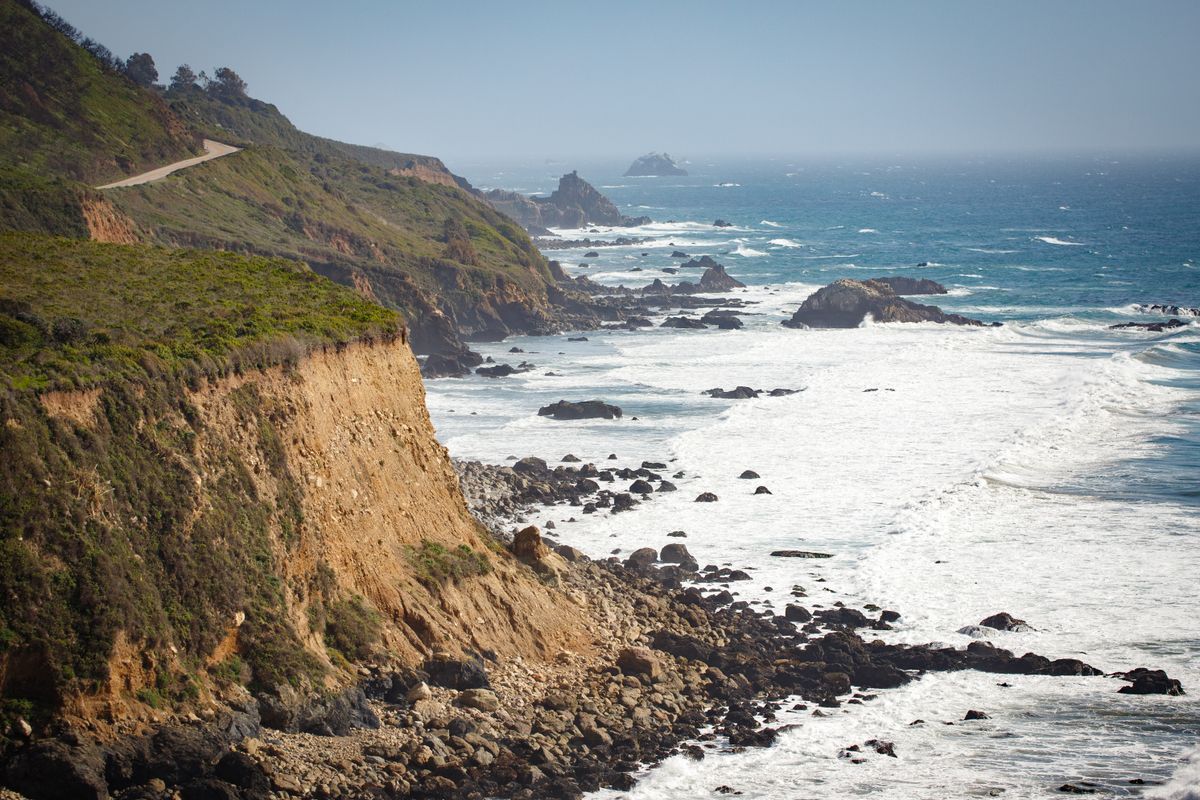
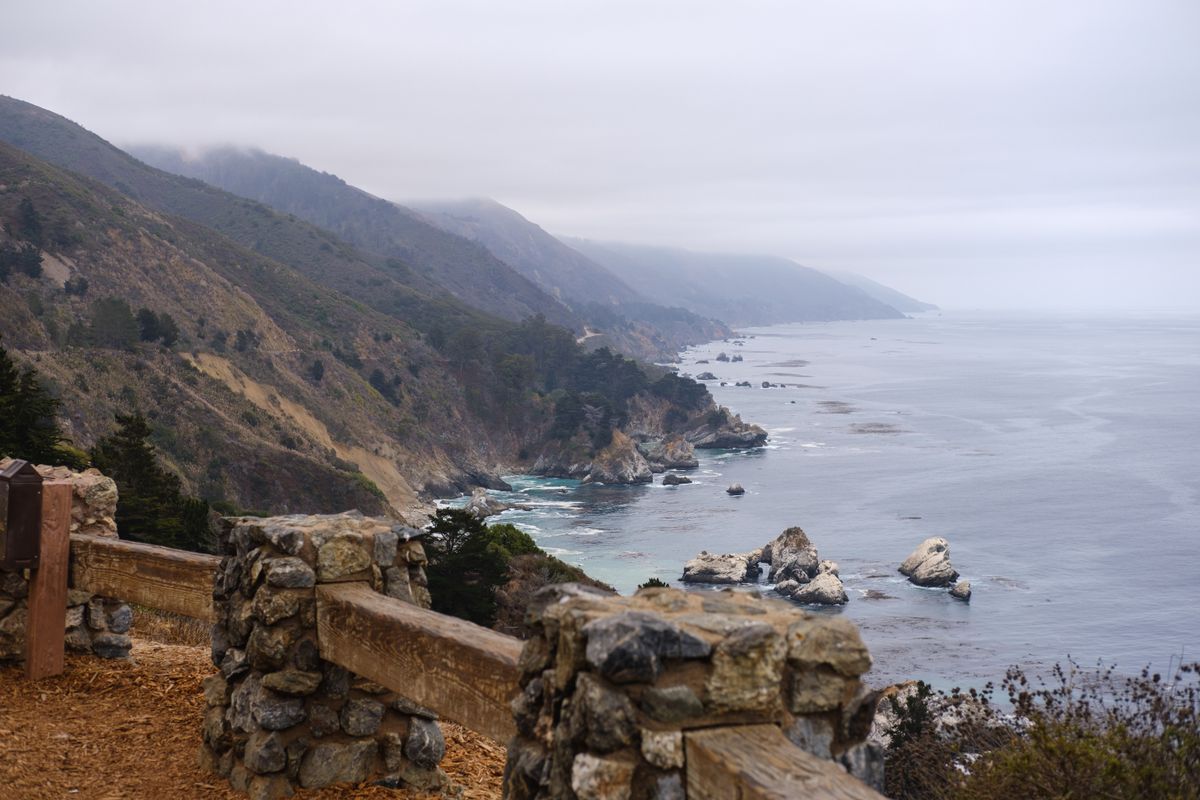
Cambria — this is the coast these pages are about.
Quick answer: Insurance Compliance Clearance in Cambria, CA — Defensible space is the work that decides what a fire has to burn between the wildland and the house: dead material out, ladder fuels separated, and the tree you keep limbed up rather than removed. It is measured in zones from the structure, and the first few feet are the ones that matter most.
- Typical timing: Best done in the cool months so the debris is gone before the dry season; clearance rules apply year-round.
- What it involves: Removing dead and dying material, separating shrubs from low limbs, limbing trees near structures, and keeping the roof and gutters clear.
- The standard: Cal Fire's defensible-space guidance for the first 100 feet, applied to the trees a property actually has.
- Where we work: The wooded parts of Cambria, San Simeon, Harmony and the surrounding ranch country.
- Our own record: 503 pages and 291 stories published on this site. Counted from our own archive, not a stock table.
Field note. What we see on this coast that surprises people is how much of the fuel load is low: the limb at four feet and the brush beneath it carries fire into a canopy that would otherwise survive, so the work is often lifting rather than felling.
On the other hand, over-clearing has its own cost — bare ground erodes, and the wind that comes with the fog belt is harder on a thinned stand than the fire risk it removes.
The Letter Names the Address, Not Always the Tree
An insurance compliance letter arrives in a bad season, from a carrier that has decided the coastal fire risk on its book is no longer one it wants. It usually names an inspection date, a list of conditions, and a deadline tied to renewal. Owners in Cambria read it as a demand to remove everything on the parcel; more often it is a specific set of clearances, and the difference in cost between the two readings is substantial.
Our job is to translate the letter into a scope of work that answers it exactly, and to produce the evidence that closes the file.
What These Letters Actually Ask For
The conditions vary by carrier, but the recurring ones are narrow and specific: dead material removed from the canopy and the ground, low limbs lifted to a stated height, a defined clearance around the structure, tree crowns separated, and combustible ground cover cleared within a stated distance. Occasionally they name a single tree that an inspector judged hazardous.
Rarely do they require wholesale clearing, and where a letter does, it is worth checking against the defensible space standard before acting — the standard is what an underwriter's inspector is usually working from.
Matching the Work to the Requirement
The efficient order is: read the letter against the standard, walk the parcel and list what fails, do only the work that fails, then document. That last step is the one most owners skip, and it is the one that decides whether the file closes. A set of dated before-and-after photographs, an arborist's letter naming the conditions and asserting they are met, and the completed scope is what a carrier accepts.
Without it, the same conditions are flagged again at the next inspection, because the next inspector sees a parcel with no record attached.
The Timeline Pressure
Renewal deadlines are real but the work has its own clock, and the fire season is the wrong one to be scheduling in.
If the letter arrives in August for renewal in October, the useful move is to book the assessment immediately, do the work before the dry fuel cures where possible, and get the documentation in ahead of the deadline even if a secondary item is scheduled after. We will say plainly what has to happen before renewal and what can follow.
Not the Same as a Claim
This is a forward-looking compliance job: proving a property is in a state the carrier will keep insuring. A loss that has already happened is a different file, with its own evidence rules — that is the assessment work and, where a tree is beyond managing, the removal work. The Cambria hub lays out how the fire, brush and tree work fit together, and our services covers the rest.
Send Us the Letter
Forward the conditions and the deadline, and we will tell you what the work involves and whether the timeline is realistic. Call (805) 927-4414 or use the contact page.
Questions, quotes, or just exploring — we’re here to help.