


You Cannot Budget for Trees You Have Not Counted
Tree Inventory & Management Plan
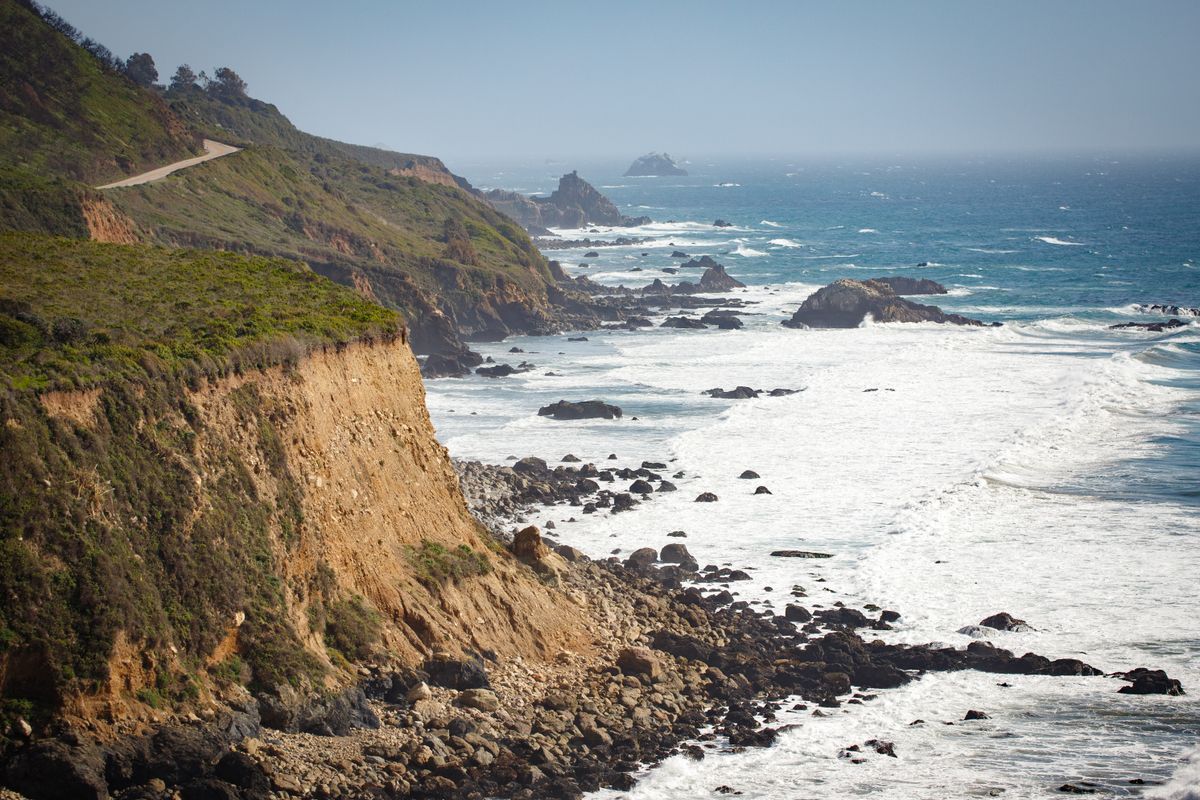
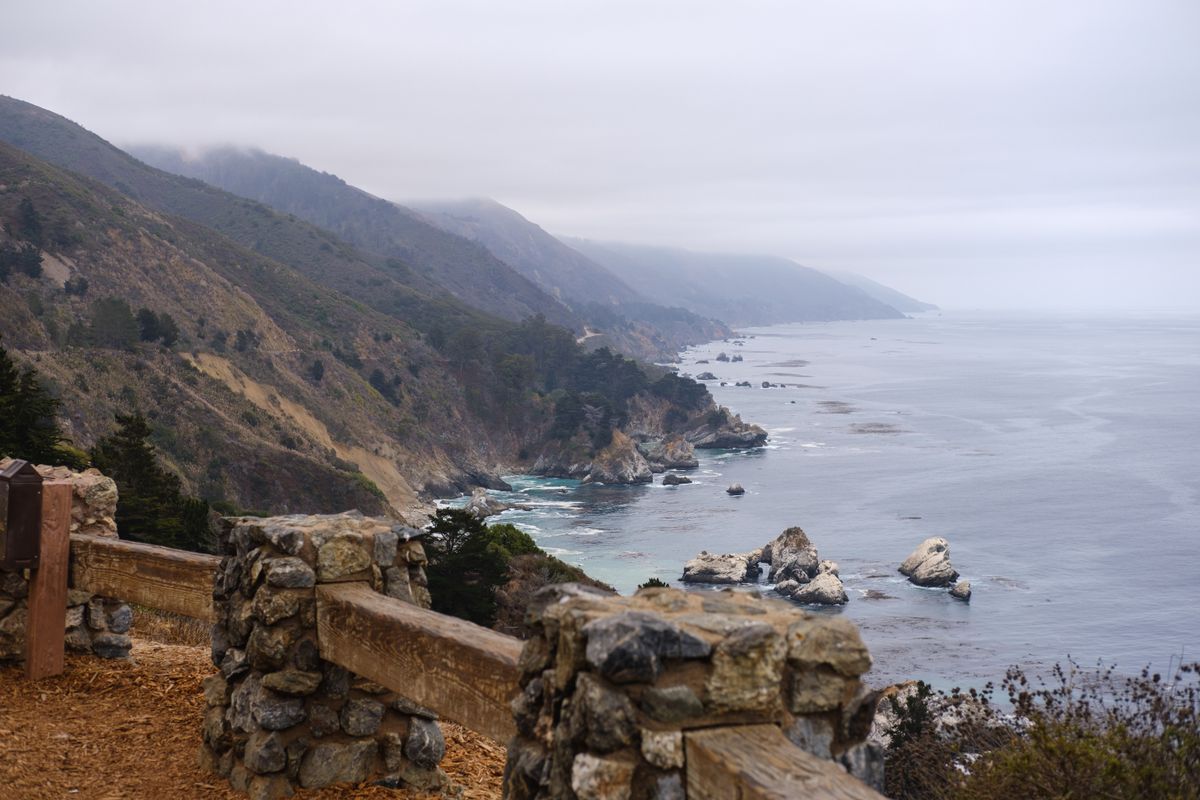
Cambria — this is the coast these pages are about.
Quick answer: Tree Inventory & Management Plan — Tree work is priced from the tree and the site rather than from a rate card: access, height, lean, what is under it, how the wood comes down, how far it has to travel and what happens to the stump all move the number. That is why a written quote names the work line by line instead of quoting one figure over the phone.
- What it involves: A site visit, a described plan, disposal and stump handling named separately, and a written figure that matches the plan.
- What changes it: Access and rigging, proximity to structures or wires, tree condition and lean, and how much material leaves the site.
- The standard: ISA and TCIA guidance on what a qualified, insured removal actually requires.
- Where we work: Cambria and the surrounding North Coast communities.
- Our own record: 503 pages and 291 stories published on this site. Counted from our own archive, not a stock table.
Field note. What we see is that the quotes people worry about are rarely the expensive ones: the job that costs the most is the one re-done, and a plan that protects the driveway, the fence and the roof is cheaper than the repair.
On the other hand, the cheapest quote is not automatically the worst value — the honest comparison is what each one includes, and a figure with no line items is the one that changes later.
A commercial tree inventory is the document that turns a property's tree obligation from a series of surprises into a line item. On a Cambria property — an inn along Moonstone Beach, a cluster of shops in the East Village, a district or school campus, an apartment community — the trees are numerous, mostly mature pines and cypress, and their condition is genuinely unknown to the people who are accountable for them. The inventory replaces that unknown with a record.
It is the deliverable, not the work: the work follows from it, year by year, and the inventory is what makes the schedule arguable rather than arbitrary.
What Each Record Holds
- Identification. A number, a location and, where it helps, a photograph — so a contractor and a manager are talking about the same tree.
- Species and size. Trunk diameter and height, which is what the later appraisal and risk conversations are built on.
- Condition. Crown density, dieback, defects, pest and disease signs — the observations that justify a recommendation.
- Risk rating and target. What the tree could hit, and how likely a failure is over a stated period. The same tree over a service lane and over a guest room is two different priorities.
- Recommended work and priority. A specific action with a timeframe, so the list can be sorted into this year, next year, and watch.
What Comes Out of It
The output is a spreadsheet or CSV keyed to tree numbers, and — where the property wants it — a plan marked with locations and mapped to a GIS layer, so the records can be queried by building, by risk rating or by year.
From there the multi-year budget falls out: the removals and structural work in year one, the cycle work after that, and a defensible answer to any question about why a particular tree was scheduled when it was.
Why It Matters on This Coast
Coastal Cambria properties carry a specific liability that inland ones do not: mature Monterey pines on shallow terrace soils, exposed to winter storms, over buildings and parking that people occupy daily. The pines also decline visibly and slowly, so condition assessment has a real horizon — a tree flagged this year as watch is often the one that needs a decision in three.
An inventory is the only mechanism that keeps that horizon in view across staff changes, board rotations and management companies.
How It Pairs With Everything Else
The inventory is the basis for the maintenance program, for the fire clearance plan and for the insurance conversation. It is also what a carrier or a district inspector can be shown in place of an assurance. The Cambria hub covers the individual services the plan will schedule, and our services sets out the wider programme.
Commission One
Tell us the number of trees you think you have — the count is usually wrong in both directions — and how many buildings they sit above. Call (805) 927-4414 or use the contact page.
Questions, quotes, or just exploring — we’re here to help.