


Cabling & Bracing in Cambria, CA — Support for Weak Trees
Cabling & Bracing in Cambria
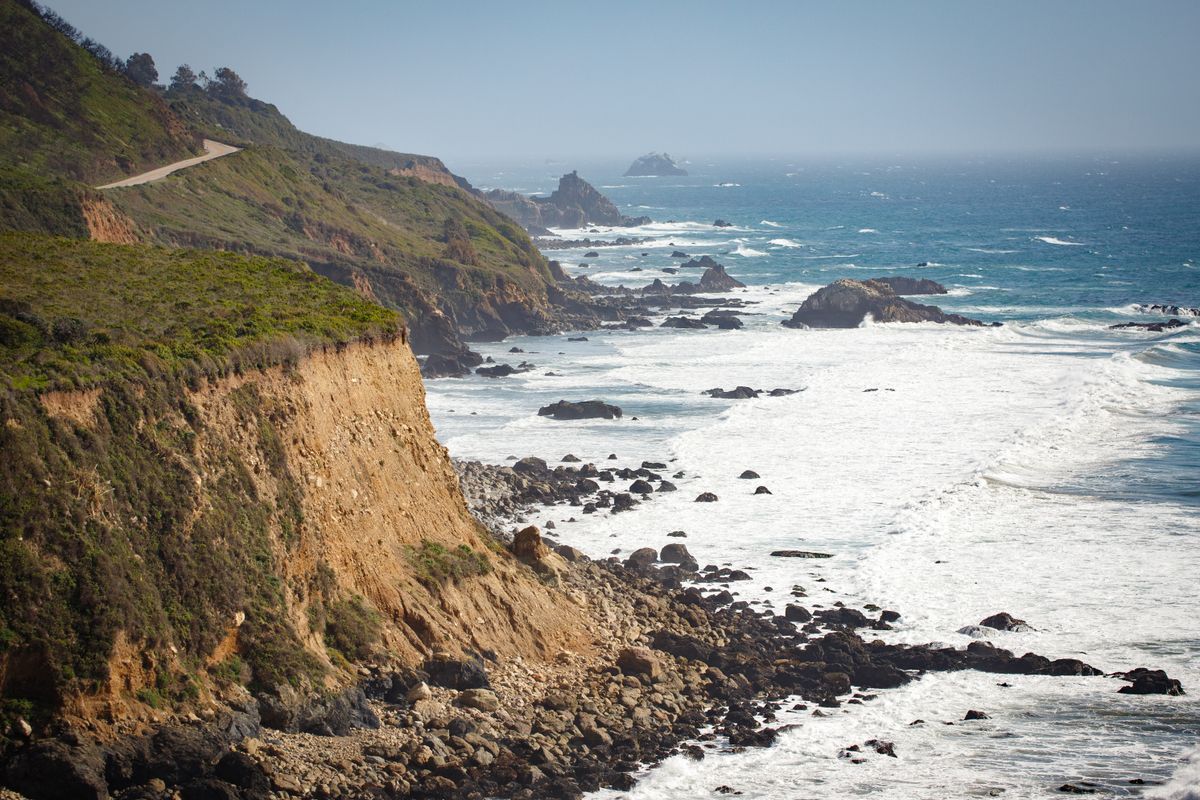
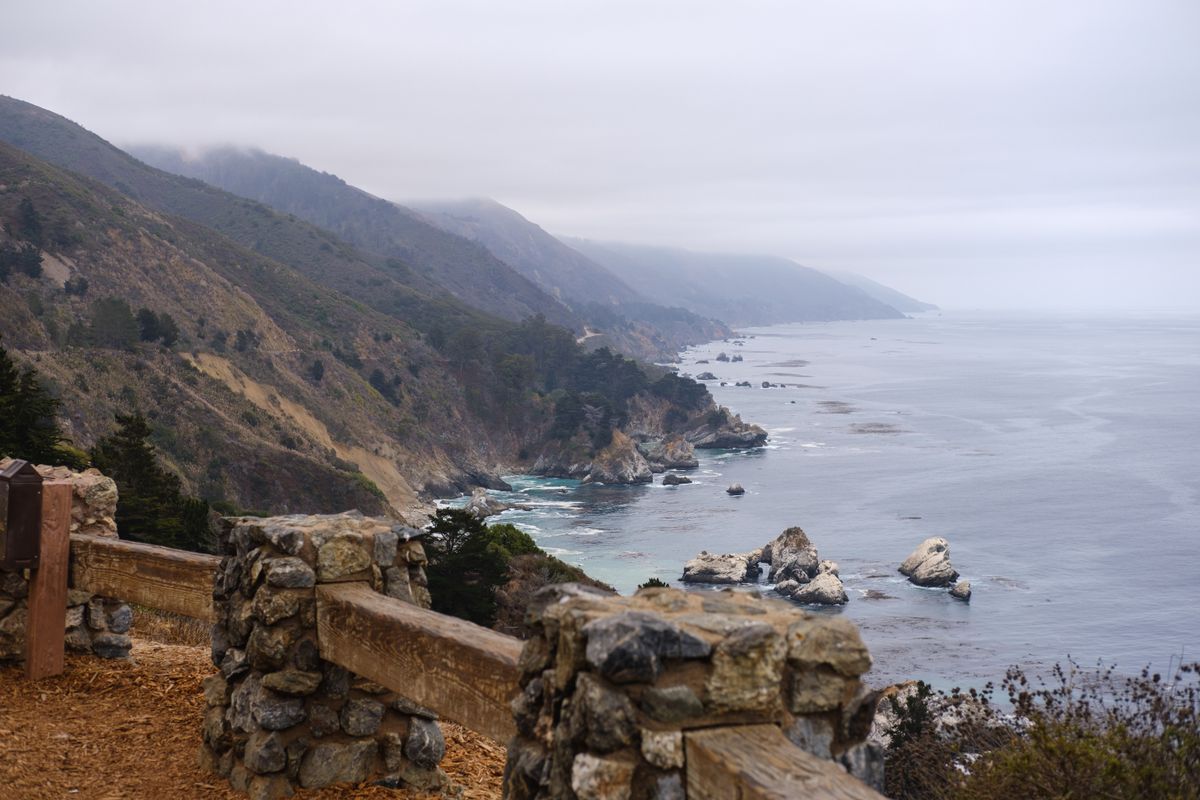
Cambria — this is the coast these pages are about.
Quick answer: Cabling & Bracing in Cambria — Trees on this coast live with fog, salt, wind and thin soil, and the work that keeps them healthy is decided by those conditions rather than by a calendar written inland. Structure, clearance and the root zone are what a tree here needs looked at, and small work done early is what keeps a tree out of the emergency list.
- What it involves: Structural pruning, clearance from structures and wires, deadwood removal, root-zone care and hazard assessment.
- Typical timing: Structural work in the dormant months; deadwood, clearance and hazard work whenever the tree needs it.
- The standard: The ISA standards for pruning and tree risk assessment, applied by ISA-certified arborists.
- Where we work: Cambria, San Simeon, Harmony, Cayucos, Morro Bay, Los Osos and the Cambria pine belt.
- Our own record: 503 pages and 291 stories published on this site. Counted from our own archive, not a stock table.
Field note. What we see on this coast is that the trees people worry about are usually not the ones in trouble: the pine with a clean crown and a lean that predates the house is often sounder than the tidy tree that has been quietly drowning in its own root zone.
On the other hand, there is no schedule that suits every tree — the same species on two sides of one street can need opposite care, which is why we look before we recommend.
Cabling & Bracing in Cambria
Some trees are worth holding together. A coast live oak with two great leaders by the creek, a Monterey pine whose double fork carried a hundred years of wind — these are structures, not just plants, and the right hardware can give them another generation over a house that depends on them. The wrong hardware simply postpones a failure that gets worse above the cable.
When support is the right answer
- A sound tree with one known defect. A weak union, a long heavy limb over a target, a split that has not yet opened — the timber around it is still strong.
- A tree worth preserving. Heritage oaks, the last native pine in a row, anything a couple cannot put a price on.
- A monitored risk. A tree that will be reassessed each year, with the hardware inspected and the tree re-read.
When it is not
A cable does not fix a rotting trunk, a failing root plate or a tree with active decay at the union. If the timber is gone, the honest answer is removal planned while the tree is still upright — and no reputable arborist sells a cable to a tree that has already failed. That conversation is part of the service, not a sales moment.
One design decision comes before any of the numbers: static or dynamic. Steel systems hold a union nearly still, which suits a heavy oak leader over a roof. Dynamic systems — engineered rope and shock-absorbing hardware — let a young or actively growing tree sway and build reaction wood, which suits a live oak still adding size each year. The tree's own movement decides which is honest, not the hardware catalog.
What it costs, and how long it lasts
Support work is priced like the engineering it is: by the number of systems, the height and spread of the tree, and the access to the union being supported. Most residential jobs involve one or two cables high in a single tree, quoted after an inspection visit, and the hardware itself is a small part of the total. The design and the climb are the work.
Hardware systems on the coast typically serve ten to twenty years before renewal or replacement, and that estimate assumes the tree is inspected annually and the crown pruned to keep loads inside the design. A cable that was installed and then forgotten is not a safety system; it is a date on a calendar that no one is reading.
We log every installation with the tree's location, the hardware used and the date, so the yearly inspection can read the same points.
Honesty is part of the quote. If a tree is a candidate for support, the report says so and explains the alternatives. If it is not, the report says that too, and the money goes toward a planned removal instead of hardware that would only postpone the inevitable. Any crew that promises a cable will fix a failing trunk is telling you something about its incentives, not about trees.
How the work is done
Systems are designed to the loads the tree actually carries: static steel cables for the big coastal pines and oaks, rope-based dynamic systems where the tree needs to keep moving and growing. Anchor points are through-bolted or spliced to standards, rods brace splits at the trunk, and every installation gets a documented map of what was done so the next inspector can look at the same points.
Hardware is inspected annually with the inspection service, and the supporting work runs alongside regular pruning, because a loaded limb needs its crown reduced before it is supported. See the general Cambria service page for everything we do on the coast.
Tree cabling and bracing: how Cambria trees actually fail
The wind on this coast comes out of the northwest, year after year, and it loads the same weaknesses again and again: the double leader on a coast live oak over a driveway, the pine fork that split in a holiday storm and never closed, the long eucalyptus limb reaching for light above a roof.
Tree cabling and bracing exists for exactly those three structures — a sound tree carrying a specific, fixable defect — and the work is judged by whether the hardware disappears into the canopy or announces itself for the next twenty years.
Two questions decide most jobs. First, is the wood around the defect still sound? A cable anchored into decay only moves the failure point down the trunk. Second, does the tree need to keep moving?
A young live oak does best on a dynamic system that lets it sway and build reaction wood; a heavy oak leader over a roof wants static steel that holds the union nearly still. Both questions get walked at the estimate, in plain language, before anything is quoted.
For real examples of those tradeoffs, see how hardware saves old oaks — and when it should not, or read the modern guide to tree cabling and bracing for the standards the work is built to.
More Tree Services in Cambria
One crew covers all of Cambria, so the estimate is one call: (805) 927-4414. Every service below has its own page written for Cambria conditions.
About Our Cambria Tree Service
Cambria tree service
the local, licensed and insured crew behind this work, with every service in one place.
(805) 927-4414Questions, quotes, or just exploring — we’re here to help.