


Clearance Measured in Feet, Not Impressions
Roadway & Right-of-Way in Cambria, CA
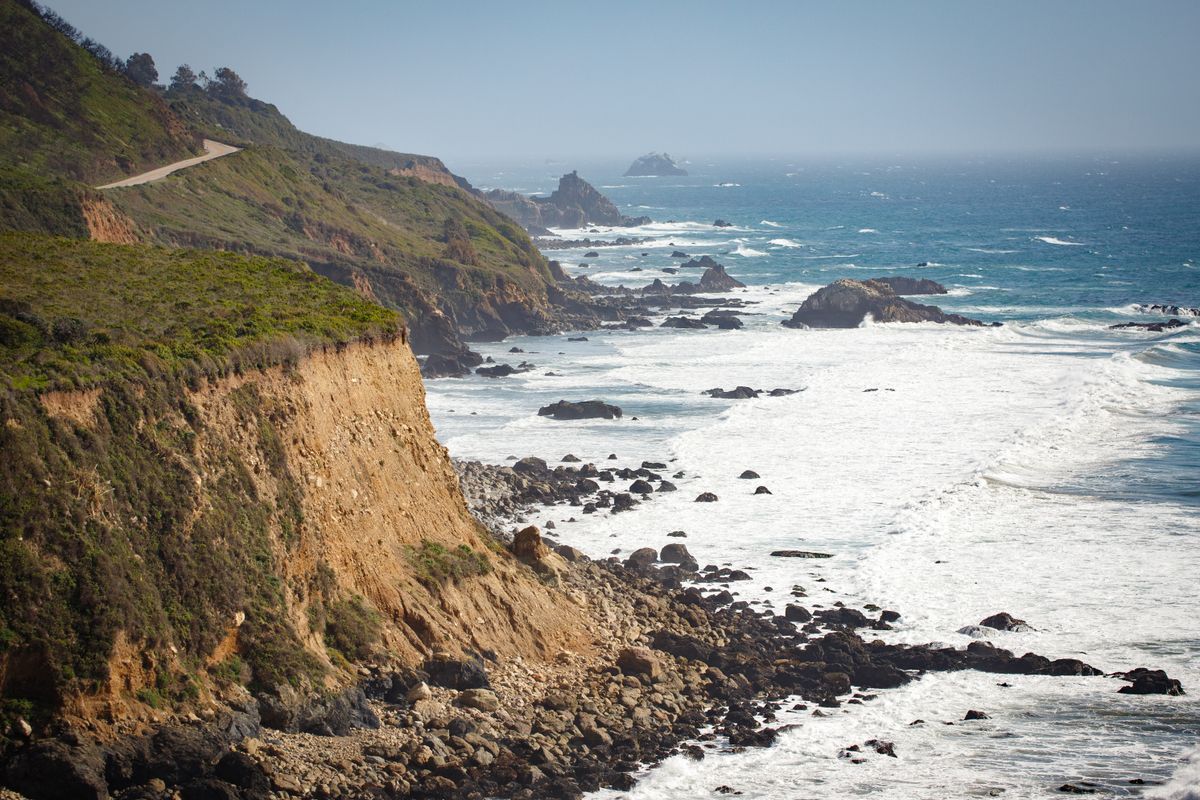
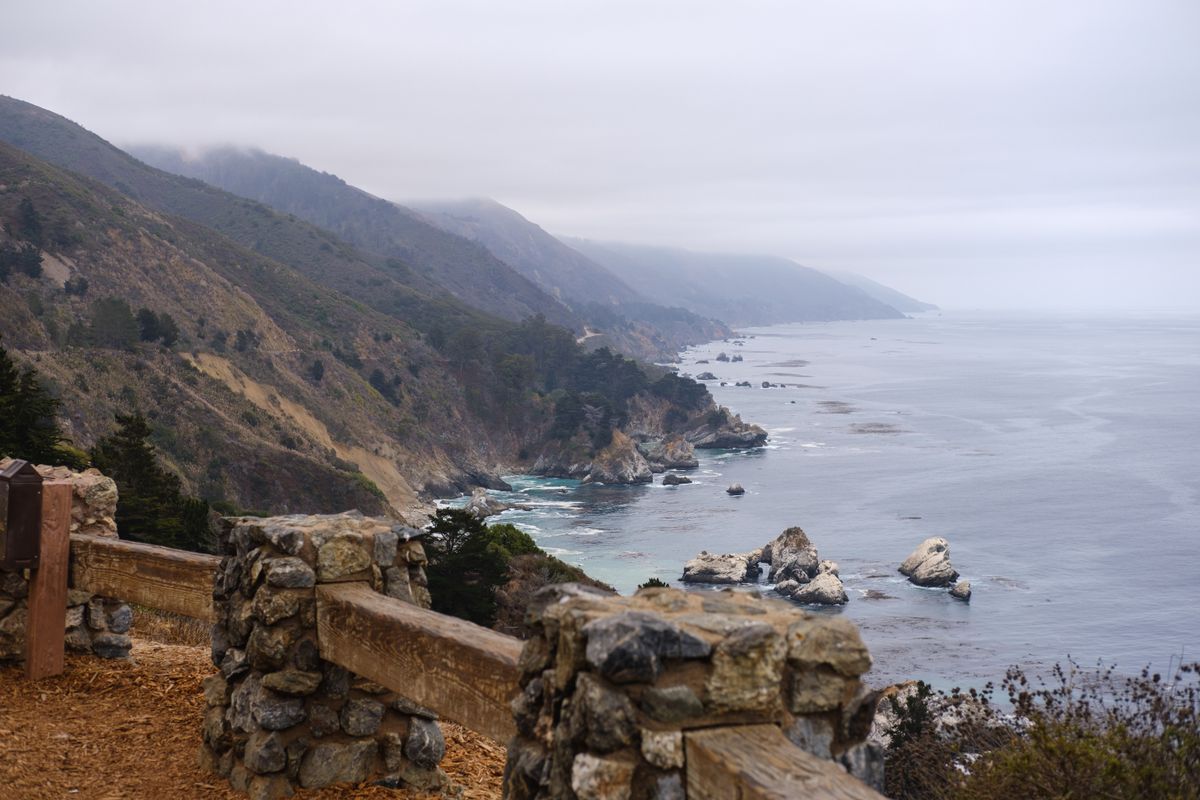
Cambria — this is the coast these pages are about.
Quick answer: Roadway & Right-of-Way in Cambria, CA — Defensible space is the work that decides what a fire has to burn between the wildland and the house: dead material out, ladder fuels separated, and the tree you keep limbed up rather than removed. It is measured in zones from the structure, and the first few feet are the ones that matter most.
- Typical timing: Best done in the cool months so the debris is gone before the dry season; clearance rules apply year-round.
- What it involves: Removing dead and dying material, separating shrubs from low limbs, limbing trees near structures, and keeping the roof and gutters clear.
- The standard: Cal Fire's defensible-space guidance for the first 100 feet, applied to the trees a property actually has.
- Where we work: The wooded parts of Cambria, San Simeon, Harmony and the surrounding ranch country.
- Our own record: 503 pages and 291 stories published on this site. Counted from our own archive, not a stock table.
Field note. What we see on this coast that surprises people is how much of the fuel load is low: the limb at four feet and the brush beneath it carries fire into a canopy that would otherwise survive, so the work is often lifting rather than felling.
On the other hand, over-clearing has its own cost — bare ground erodes, and the wind that comes with the fog belt is harder on a thinned stand than the fire risk it removes.
Clearance Along a Cambria Lane Is Measured in Feet, Not Intentions
Roadway and right-of-way clearance on the central coast is about the space a vehicle and a pedestrian actually need, and it is a genuinely different brief from keeping a garden tidy. Cambria's streets are narrow, often without sidewalks, flanked by pines that were planted when the road was a track.
Where a private lane serves several lots, and where a county road meets Highway 1, the clearance question has three separate parts — vertical, horizontal and sightline — and all three have numbers attached.
We clear to those numbers rather than to an impression that the road looks better.
The Three Clearances
- Vertical. What can pass underneath. A branch eight feet up clears a car and not a delivery truck, an RV or a fire engine; the fire access and refuse-access numbers are usually higher than a homeowner expects.
- Horizontal. Encroaching brush and limbs that narrow the usable width, and the low-hanging growth that pushes pedestrians toward the centre of the road.
- Sightline. The visibility triangle at a driveway or an intersection — the area that has to stay clear so a driver pulling out can see and be seen. Sign and mirror visibility is the same problem.
Working on a Narrow Coastal Road
Most private lanes here are single-track with no shoulder, and traffic control is the job. We plan the phasing around what actually uses the road — school traffic, refuse collection, the peak of a summer weekend — and keep the closure short and announced.
Cutting to a road means the debris has to leave, not be stacked at the verge: the roadside strip is often where the real fuel loads sit, and leaving the cut material there reintroduces the same problem at the next wind. It also feeds the runoff the erosion control work exists to manage.
Who Owns the Problem
Private roads are usually the responsibility of the properties that use them, often through a road association. County roads and the areas that look public are the county's; a state highway or an access point onto one is Caltrans', and work near it needs their approval and often a permit. Utility easements are crossed by a third set of rules.
Establishing which of these applies is the first step, because doing the work without the right permission can turn a cleared lane into a violation.
Why It Falls Behind Here
A road flanked by pines grows in from both sides at once, and the change is gradual enough that people who drive it every day do not see it. Fuel-reduction requirements pull the same way, so brush removal along a road is usually worth doing for the fire reason as well. The fire clearance work here and the defensible space inspection cover that half.
Have the Run Looked At
Tell us which road, who else uses it, and whether a private association or the county is responsible. Call (805) 927-4414 or use the contact page; the Cambria hub and our services cover the rest.
Questions, quotes, or just exploring — we’re here to help.