


Tree Inspection Services in Cambria, CA
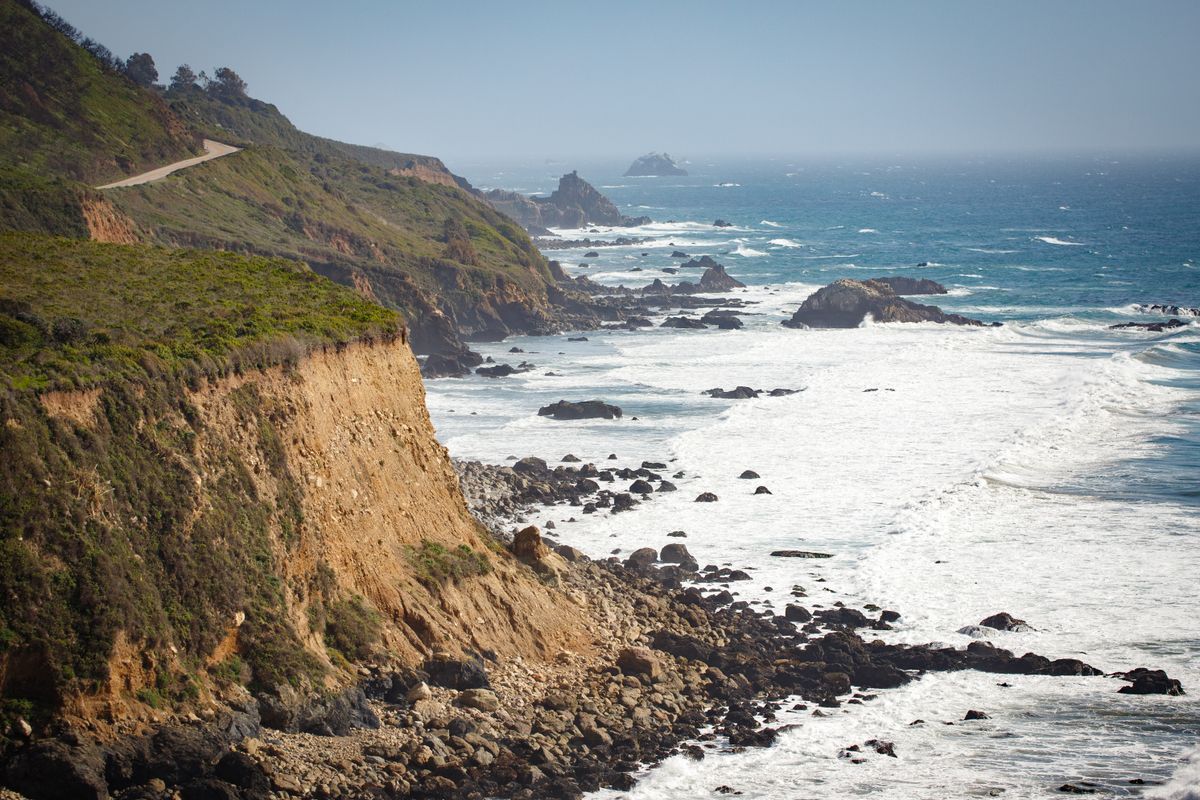
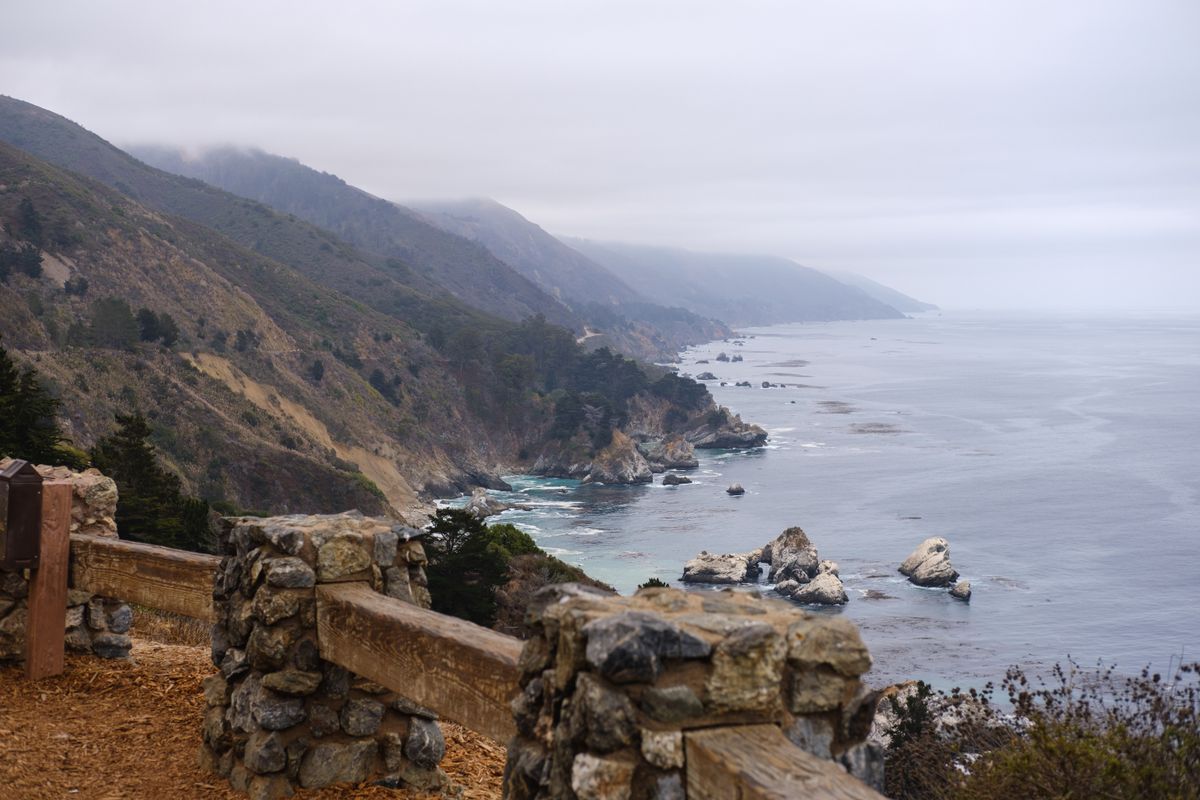
Cambria — this is the coast these pages are about.
Quick answer: Tree Inspection in Cambria, CA — Most tree trouble on the Central Coast is identified before it is treated: a borer, a canker and a drought-stressed root system can look the same from the ground, and each has a different answer. Diagnosis is the first cut — host, sign and season — and the least-toxic control that fits comes after it.
- Typical timing: Monitoring from bud break; fungal problems follow the wet spring, borers the dry summer and the stressed tree.
- What it involves: Identifying the host and the organism, judging whether the tree can compartmentalise the damage, and removing what cannot be saved.
- The standard: UC IPM pest notes and the ISA standard for hazard assessment.
- Where we work: Cambria and the coastal oak, pine and cypress stands around it.
- Our own record: 503 pages and 291 stories published on this site. Counted from our own archive, not a stock table.
Field note. What we see on this coast is that the tree under fog is often the healthier one and the tree on a hot exposed edge is the one that gets hit — stress is the invitation, and the coast hides it well.
On the other hand, treatment is not always the kindest answer: for a hazard tree with internal decay, careful removal protects the neighbours, and replanting does more for the site than a season of injections.
Tree Inspection Services in Cambria
Most of the trees that fall on this coast were trying to tell someone for a year. A thinning crown, a narrow band of resin, a lean that has grown a few degrees each winter — the signals are legible from the ground to anyone trained to look for them. An inspection is a scheduled hour of looking, and it is the cheapest insurance a coastal property can buy.
What gets examined
- The root flare. A flare that is buried under soil, mulch or pavement tells you where the tree's true base is — or that there may not be one anymore.
- The lean. Some lean is species habit; some is a root plate that has moved. The difference is measured, not guessed.
- The trunk. Cavities, seams, resin at the base, old wounds and the decay they hide.
- The crown. Deadwood over targets, canopy density against the tree's own history, dieback that starts at the tips.
- The ground. Construction scars, drainage changes, fresh grades — the part of the site the tree cannot outrun.
The findings, in writing
You get a written read: species, size, condition, the specific defect if there is one, and a risk statement tied to what the tree can actually hit — the house, the driveway, the road, the neighbor's shed. For a real estate transaction, an insurance question or an HOA letter, that document is the thing everyone in the room can agree on.
For a tree that is merely worrying you, it is an answer either way: keep it, monitor it, or take it down while it is a plan instead of an emergency.
Signs you should not wait for the calendar
Some inspections can wait for the late-summer window. A handful cannot. Call now if the tree has developed a lean you can see from the kitchen window, if the ground at the base has lifted or cracked, if mushrooms or conks have appeared on the trunk or root flare, if a cavity has opened large enough to put a hand in, or if dead limbs are increasing in a crown that looked full last year.
Call with even more urgency when the tree overhangs a bedroom, a driveway, a play area or the road and one of those defects is present. A hazard is a combination, not a single thing: a defect, a target, and a likelihood. A hollow tree in the middle of a meadow can stand for decades; the same tree over a roof is a different calculation, and the calculation is exactly what an inspection performs and puts in writing.
For a property transaction, an inspection before the contingency period ends is the only useful timing. A buyer who learns after closing that the big pine by the deck has a failing root plate has bought an emergency, not a tree. Sellers benefit from the same read, because a documented healthy tree is worth more in a negotiation than a question mark.
And for an insurance review, the dated report with the target assessment spelled out is what a carrier actually asks to see.
One more distinction worth making: an inspection is not a sales visit. The deliverable is the written read — species, size, condition, risk — and a recommendation. What happens next is a separate decision, and if the honest answer is that the tree can stand for another decade with no work at all, that is what the report will say.
How it fits the calendar
Late summer and fall are the best inspection windows on the coast: the canopy has finished growing, last winter's damage is visible, and there is still time to schedule work before the first real storm. Spring is the second window. Our general tree inspection service describes nationwide standards; the Cambria page covers the local routine, and if the answer is removal, the workflow continues through tree removal.
Questions, quotes, or just exploring — we’re here to help.