


When the Lift Is the Safer Way Down
Crane-Assisted Removal in Cambria, CA
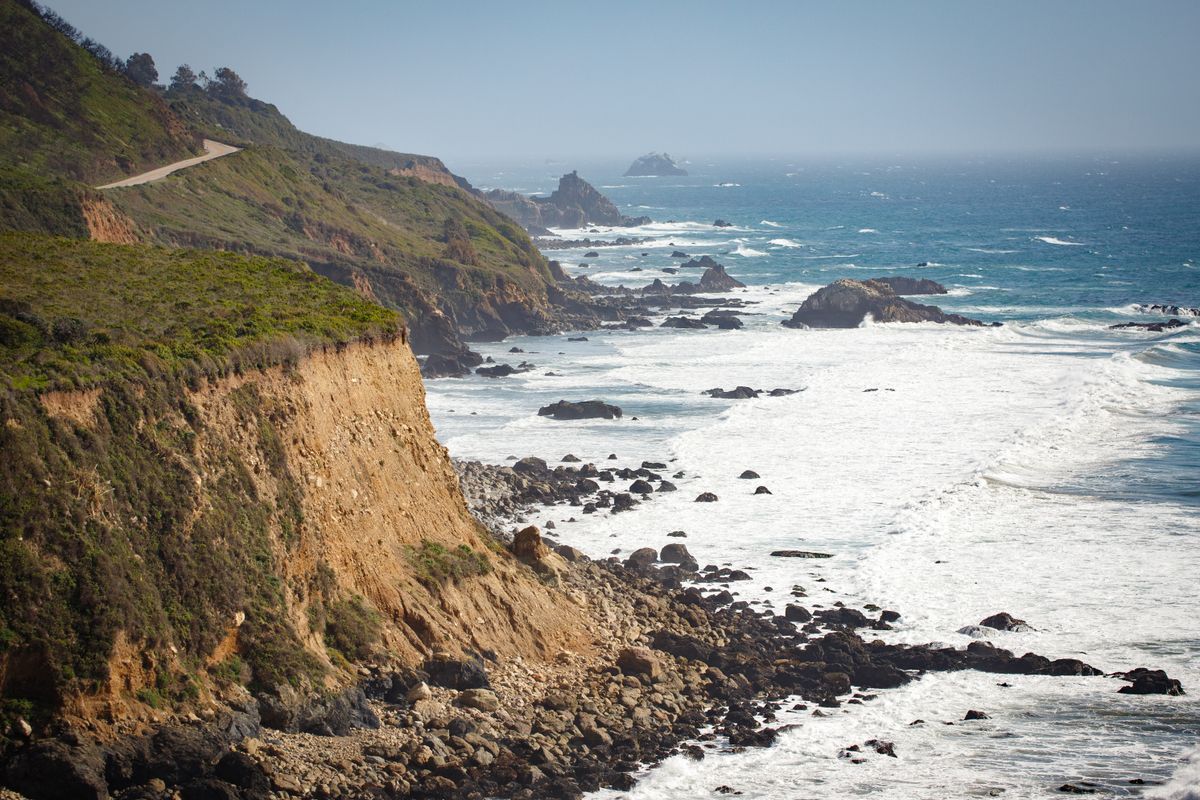
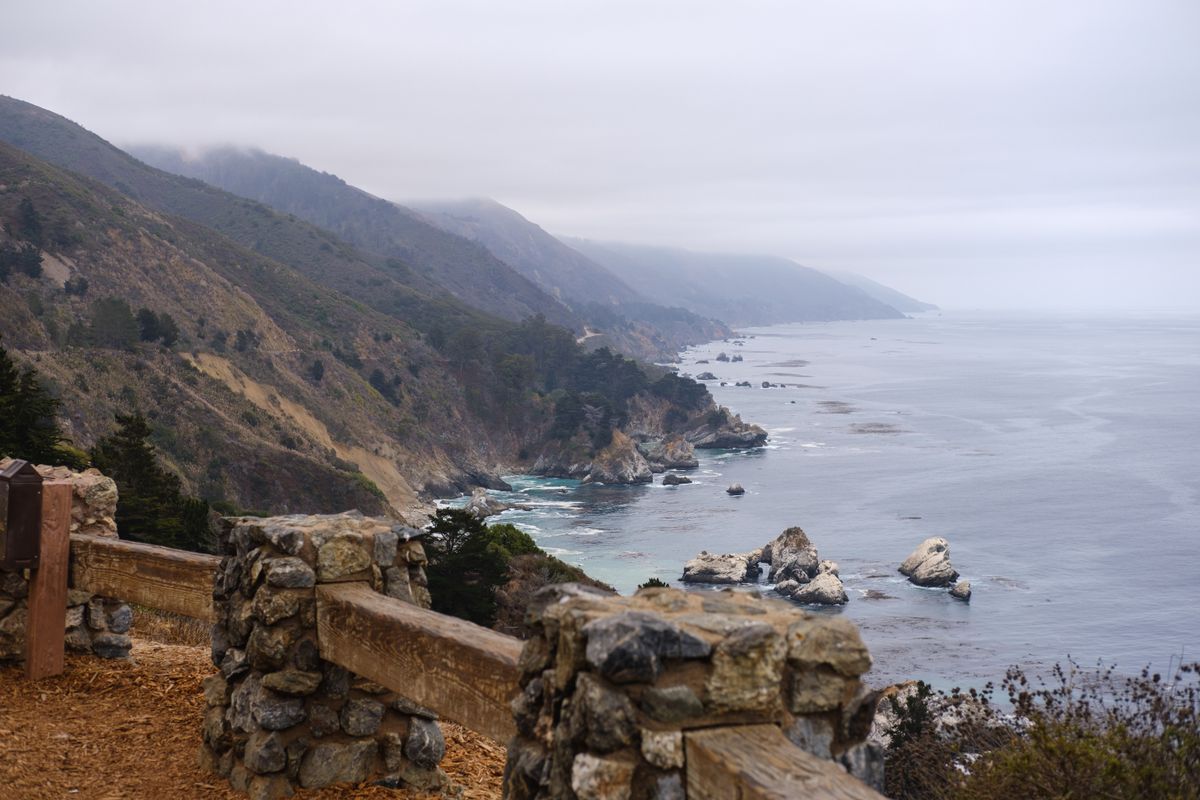
Cambria — this is the coast these pages are about.
Quick answer: Crane-Assisted Removal in Cambria, CA — Removing a tree is planning before it is cutting: where the wood lands, what is under it, whether a rope or a crane takes the weight, and what is left when the crew drives away. A removal is finished when the drop zone is clear and the stump is dealt with, not when the trunk hits the ground.
- Typical timing: When the tree is a hazard, the schedule is immediate — storm damage, split leaders and leaners do not wait for good weather.
- What it involves: A written plan for the drop zone, rigging or crane work over structures, protecting driveways and roofs, and deciding the stump’s fate in advance.
- The standard: The ANSI Z133 safety standard for arboricultural operations, and ISA best practice for removals near structures.
- Where we work: Small town lots, coastal acreage and the narrow properties of the Cambria pine belt.
- Our own record: 503 pages and 291 stories published on this site. Counted from our own archive, not a stock table.
Field note. What we see here is that access decides the price more than height does: a pine over a fence on a slope with no driveway costs more to take down safely than a taller tree with a clear drop, and the plan is where that shows up.
On the other hand, removal is not the only safe answer — a tree with one failing limb, or a lean that can be corrected by reduction, is often better kept and managed than gone.
Crane-assisted tree removal in Cambria is what you buy when a tree is too big, too dead, or too close to a house to be taken down piece by piece on a rope — and the lot is narrow enough that the difference decides the job. A crane does not make a removal cheaper. It makes one possible where the alternative is a climber working above a roof with a compromised tie-in.
The trade is simple: fewer cuts high in the tree, in exchange for a machine that has to get close enough to reach.
What a crane changes about the work
A climber on a rope lowers limbs one at a time, and every one of those lowers is a controlled fall that has to be caught. A crane takes the pieces in larger sections, holds them rigid from pick to ground, and lets the crew cut from a stable platform instead of the top of a moving tree.
On a tall Monterey pine beside a Park Hill house that can be the difference between thirty lowering operations and eight picks — and each of those thirty lowers is one more chance for something to go wrong on a rope.
What the setup needs on a coastal lot
The constraint is almost never the tree; it is the reach. A crane needs to stand somewhere with bearing for its outriggers, which on a bluff parcel over marine terrace is a real question: the ground is shallow, soft after rain, and sometimes the highway shoulder is the only place with the width. Setback from the wires is the other.
On Cambria's one-way street pair a lift set in the lane means coordinating with neighbours, and sometimes a closure and signage well before the day.
When rigging is the better answer
A crane is not automatically the premium choice. If the tree is sound, the drop zone works and the limbs can be lowered to clear ground, a good rigging crew is faster and cheaper with no machine to position.
The threshold is height, decay and the target: a dead pine leaning over a bedroom is a crane job; a healthy pine over a lawn is not. We price both ways where both are honest and say which one we would choose.
The pick plan
Before the crane arrives the tree is divided on paper into pieces the lift can carry, each with a landing, and the ground crew knows where every one goes before the first cut. The stump is ground afterwards, the chips stay as a mat on exposed ground, and the haul-off is planned alongside the pick plan so nothing sits in a lane overnight.
Tell us the tree, the setback and roughly where the wires run. Call (805) 927-4414 or reach us through the contact page and we will say whether this is a crane day or a rope day.
Questions, quotes, or just exploring — we’re here to help.