Fire Clearance Without Bare Earth
Quick answer: Defensible Space Fire Clearance Without Bare Earth — Defensible space is the work that decides what a fire has to burn between the wildland and the house: dead material out, ladder fuels separated, and the tree you keep limbed up rather than removed. It is measured in zones from the structure, and the first few feet are the ones that matter most.
Field note. What we see on this coast that surprises people is how much of the fuel load is low: the limb at four feet and the brush beneath it carries fire into a canopy that would otherwise survive, so the work is often lifting rather than felling.
On the other hand, over-clearing has its own cost — bare ground erodes, and the wind that comes with the fog belt is harder on a thinned stand than the fire risk it removes.
Every fire-season warning in Cambria arrives with the same instruction – clear your defensible space – and almost nobody tells you what that actually looks like on a lot that is a quarter acre wide. So people overcorrect. They scrape a hillside to mineral soil, take the cypress off the ridge, and call it done. What they have built is not a fire-safe property. It is an erosion problem with a view.
The defensible-space idea is one of the better ones in modern fire planning, and it is routinely flattened into “cut everything.” The point is not emptiness. The point is interrupting the path a fire takes to your house.
What a fire actually needs
A wildfire moves on three things: fine fuel, continuous fuel, and a way to climb from the ground into the crown of a tree. Grass and brush are the fine fuel – they carry flame fast and they dry in an afternoon. Ladder fuels are what let that flame climb into the canopy of a pine or cypress, where the fire becomes a crown fire and starts throwing embers.
In most of these events the house burns from embers and radiant heat, not because the flame front itself reached the wall.
So the work of clearance is narrower than it sounds: interrupt the fine fuel, and break the ladder.

Zone zero, then out
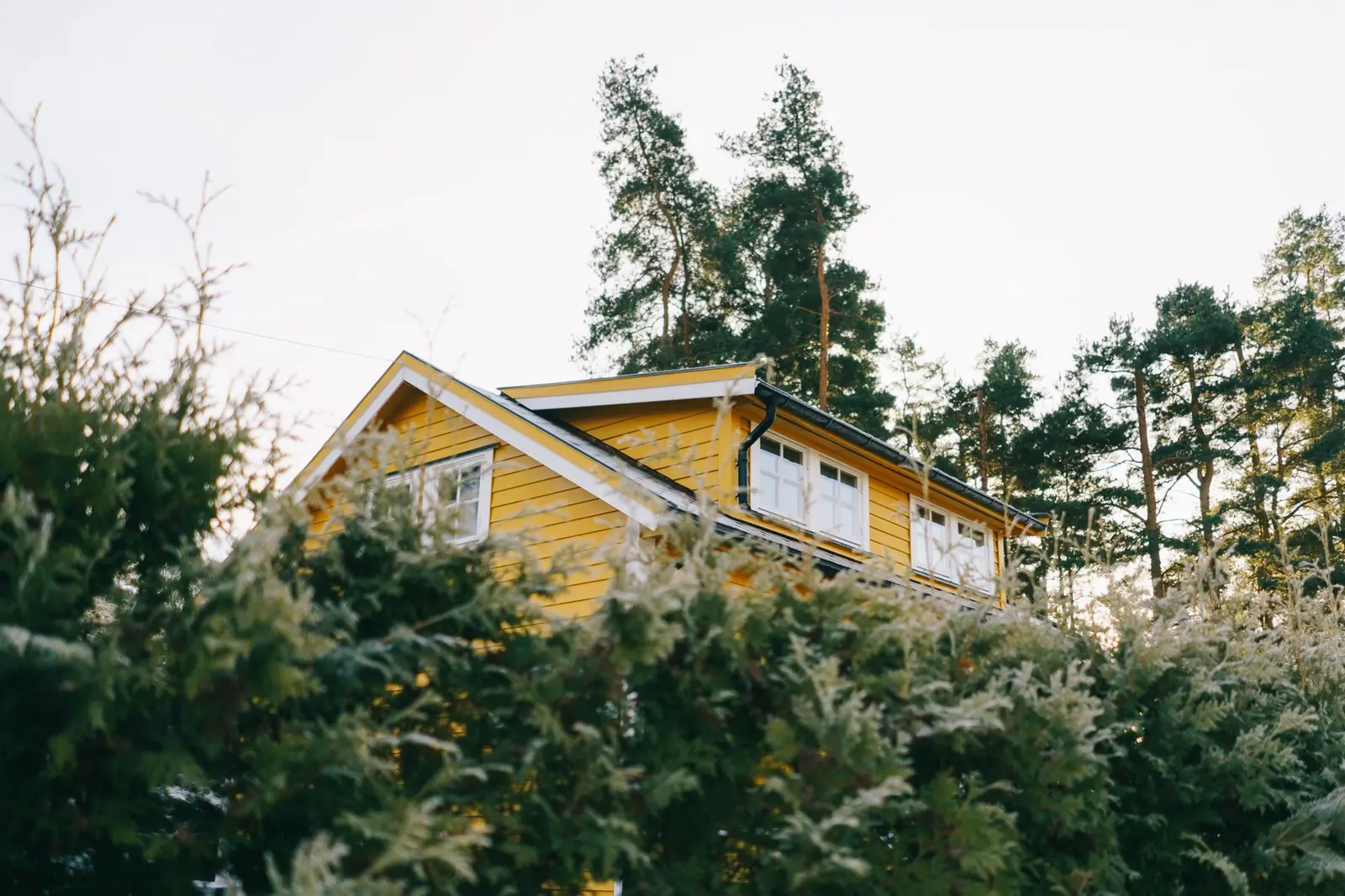
The five feet nearest the house is where embers land and where most homes ignite. That means clean gutters, no firewood stacked against the siding, no bark mulch up against the foundation, nothing combustible under the deck, and screens on the vents. It is tedious, and it is the highest-value hour you will spend all year.
From five feet to about thirty, the goal is low groundcover, well-spaced plantings, and trees pruned so the lowest limbs are up off the ground – that is the ladder break. This is where most people reach for the chainsaw, and this is where the fire clearance work matters most, because the wrong prune removes structure without improving safety.
Beyond thirty feet, out toward a hundred where the lot allows, you are managing the stand: spacing, removing the dead, keeping fire out of the crowns rather than taking the crowns out of the landscape.
Why the hillside matters more than the number
Take the vegetation off a coastal slope and the first real winter rain takes the topsoil with it. On a bluff lot that is not hypothetical; it is a loss you cannot replace. A slope above the highway and a slope above your own foundation fail the same way.
Low, rooted native cover does more structural work than anything you could plant once the soil is gone, so the honest move is to clear the fuel that carries fire and keep the cover that holds the hill.
The safety lesson
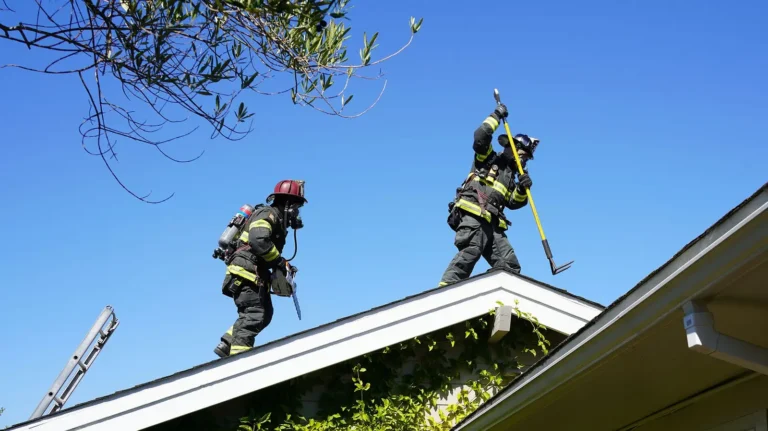
Two rules, and they are not negotiable. Never touch, prune or remove anything within reach of a power line – that is a utility job, and the line is live even when it hangs slack and looks dead. And never run a chainsaw on a ladder or lean into a tree you have not assessed; clearance is planned around where each piece will fall.
If a tree is already leaning, split, or carrying a fungal conk, clearance is the wrong conversation – that is a tree risk assessment first.
The trade-off, stated plainly
You are choosing where the risk goes, not deleting it. A little structure in the landscape slows wind and holds soil; a little less fuel reduces what the fire has to eat. The plan that works on a Cambria lot usually does both, done by people who understand the slope as well as the fire. If you are not sure which of your trees belong in that plan, walk it with us before the season, not during the evacuation warning.