The Ten Minutes That Matter: A Storm Plan for Cambria Pines
Quick answer: Storm Tree Emergency Plan: Ten Minutes That Matter — Removing a tree is planning before it is cutting: where the wood lands, what is under it, whether a rope or a crane takes the weight, and what is left when the crew drives away. A removal is finished when the drop zone is clear and the stump is dealt with, not when the trunk hits the ground.
Field note. What we see here is that access decides the price more than height does: a pine over a fence on a slope with no driveway costs more to take down safely than a taller tree with a clear drop, and the plan is where that shows up.
On the other hand, removal is not the only safe answer — a tree with one failing limb, or a lean that can be corrected by reduction, is often better kept and managed than gone.
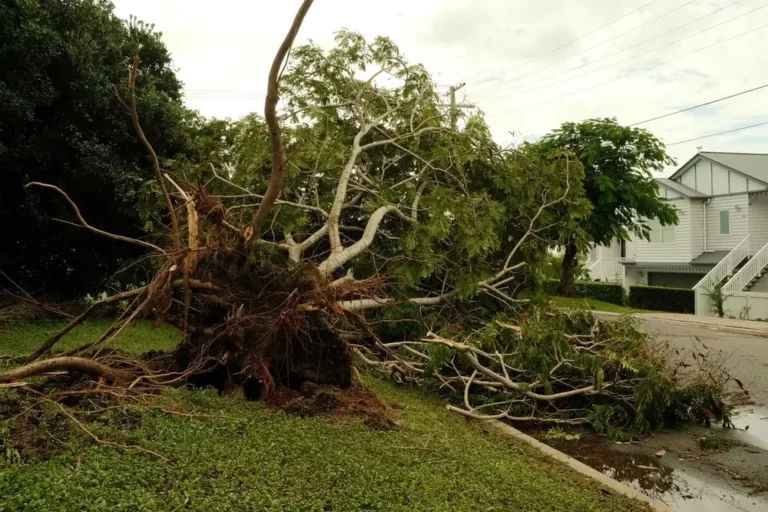
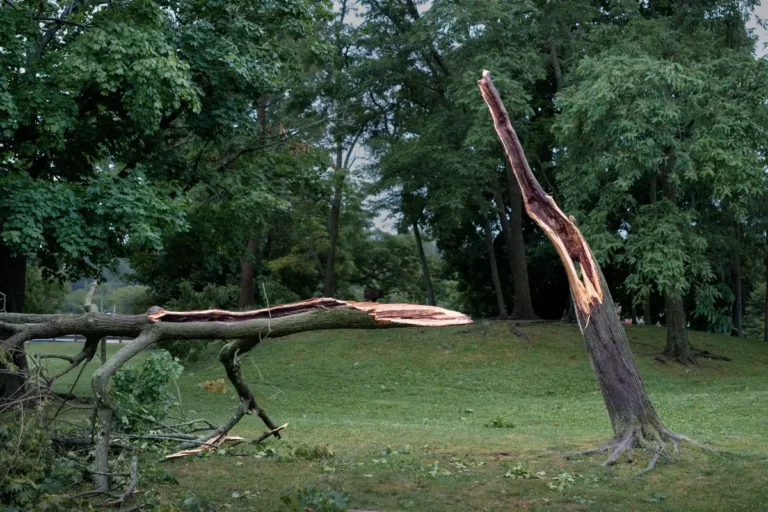
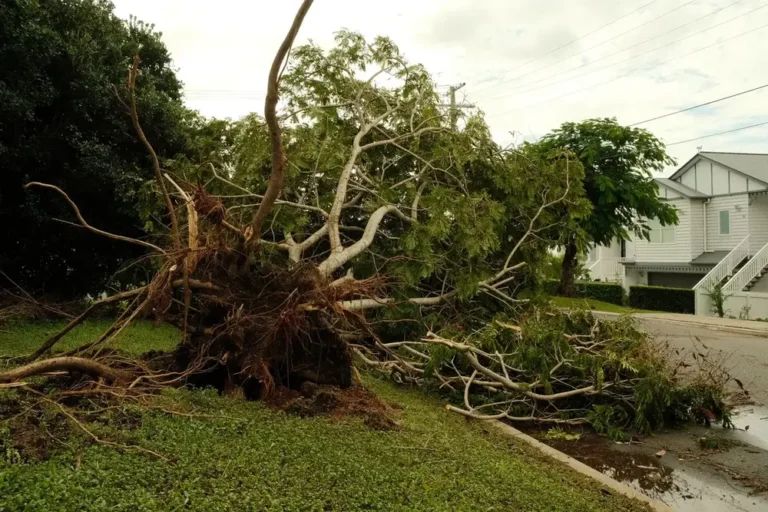
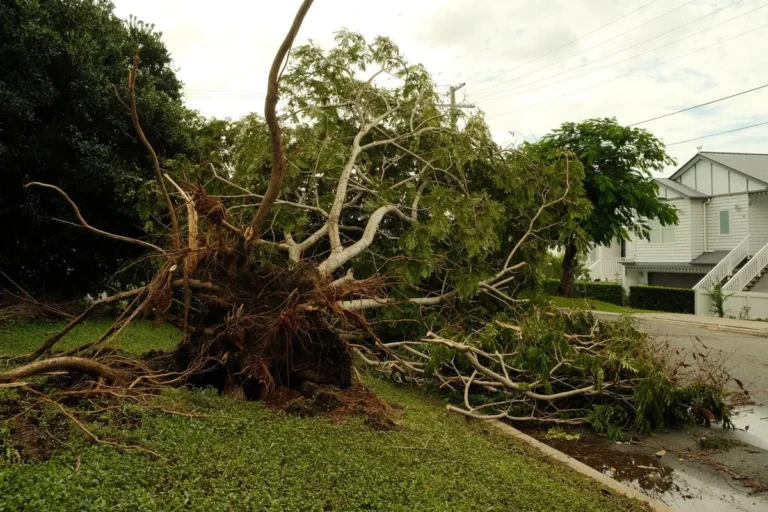
I have spent my career arriving second, after the police tape goes up. What I have learned is that the storm is rarely the emergency. The ten minutes after it are the emergency, and they are survivable or not depending on whether anyone has a plan and a correct order of operations. Here is the order.
Minute one: stop and count heads
Before you assess anything, account for every person and animal in the house. That is the whole first minute. Do not go outside to look at the tree. Do not go onto the porch. If you can see damage from inside, you already have enough information to act on.
Minute two: smell for gas, listen for alarms
If you smell gas, do not flip a light switch, do not use a phone indoors, and do not start a car in the garage. Leave the property on foot, well clear, and call the gas utility and 911 from a safe distance. If a smoke or CO alarm is sounding, treat it as real before you treat it as inconvenient.
Minutes three to five: assume every line is live
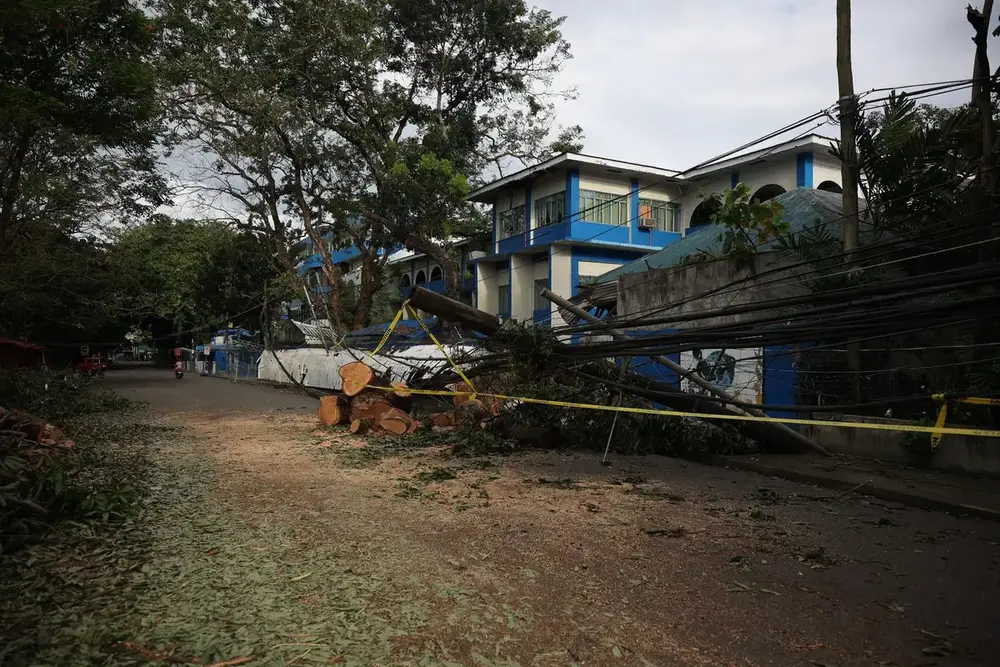
This is the rule that saves lives, so it gets its own paragraph. Any downed or low-hanging wire – power, cable, phone, you cannot tell the difference from the ground and should not try – is treated as energised. Keep every person and animal at least a full house-length away. Never touch a wire with anything: not a stick, not a broom, not the metal edge of a tool.
Never drive over one, and never step over one that is lying across a path. Wet ground carries current away from the line, so the danger zone is larger than the wire itself.
Minutes six to eight: the house envelope
If it is safe to move, check what keeps the weather out: a limb through a window, a breach in the roof, water where water should not be. Cover what you can without climbing anything. Do not get on a roof in the dark or in wind.
Do not stand under a leaning tree to assess the roof, because the tree is now a structural question with the answer still moving. Turn off water at the supply if a pipe has been struck.

Minutes nine and ten: call, and hold the line
Call for the utility first if wires are down, then a tree crew that works with the utility. Tell them what you can see, whether anyone is trapped, and whether the line is down. Then stop. You have done the ten minutes correctly. Everything after that is professional work.
Before the next storm
The best time to plan this is on a dry, boring afternoon. Agree on a meeting point outside the fall zone. Keep a torch, a battery radio and shoes by the bed. Know where your shutoff valves are. Photograph your trees now, from the street, so that if something changes you have a before and after.
And if a tree is leaning or has a split fork, have it looked at before the wind finds it – a pre-storm inspection is cheaper than an emergency removal, and calmer.
One more thing, and it matters. Do not try to save a tree yourself once it is on the ground and tangled with a wire. The people who get hurt are not the ones who were careless. They are the ones who were competent, and in a hurry, and wrong about which line was dead. That line is never dead. Call us and let it be our problem.