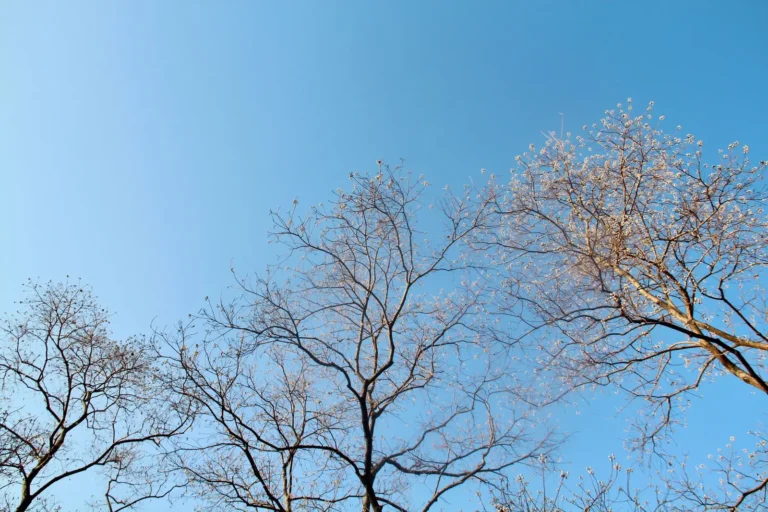
The Autumn List: What to Do Before the First Real Rain
Quick answer: The Autumn List: What to Do Before the First Real Rain — Trees on this coast live with fog, salt, wind and thin soil, and the work that keeps them healthy is decided by those conditions rather than by a calendar written inland. Structure, clearance and the root zone are what a tree here needs looked at, and small work done early is what keeps a tree out of the emergency list.
Field note. What we see on this coast is that the trees people worry about are usually not the ones in trouble: the pine with a clean crown and a lean that predates the house is often sounder than the tidy tree that has been quietly drowning in its own root zone.
On the other hand, there is no schedule that suits every tree — the same species on two sides of one street can need opposite care, which is why we look before we recommend.
The first real storm on this coast usually arrives between late October and Thanksgiving, and it usually arrives with more wind than the trees have felt since March. Everything on this list is ordered by that deadline. None of it is pruning for shape; that work belongs in a different season and, on an oak, a different year.
First: walk the base, not the crown
Most windthrow on the Central Coast is a root-plate failure, not a snapped trunk, and the evidence is at ground level. Look for a mound of soil lifting on one side of the trunk, a crescent-shaped crack in the turf, or a lean that was not there in spring.
Look at the root flare: if the trunk disappears into a cone of soil or mulch, the flare is buried, and a buried flare holds moisture against the base and hides exactly the decay you are trying to find.
Push a finger into the soil at the base. If it is already saturated in October, the tree has less grip than the calendar suggests, and the first storm will tell you.
Second: the attachments, not the branches
Walk the canopy from underneath and look at where limbs meet trunks. A tight V is a codominant union with bark trapped inside it, and it is the joint that splits. A U-shaped union with a visible collar is a joint that has been thickening normally for decades. Count the V’s on the side of the tree that faces the prevailing wind.
Then look for anything installed: cables, braces, lightning protection, old rope, a clothesline grown into a branch. Hardware fails on its own schedule, and the inspection is usually cheaper than the replacement.
Third: water where it will go, not where it falls
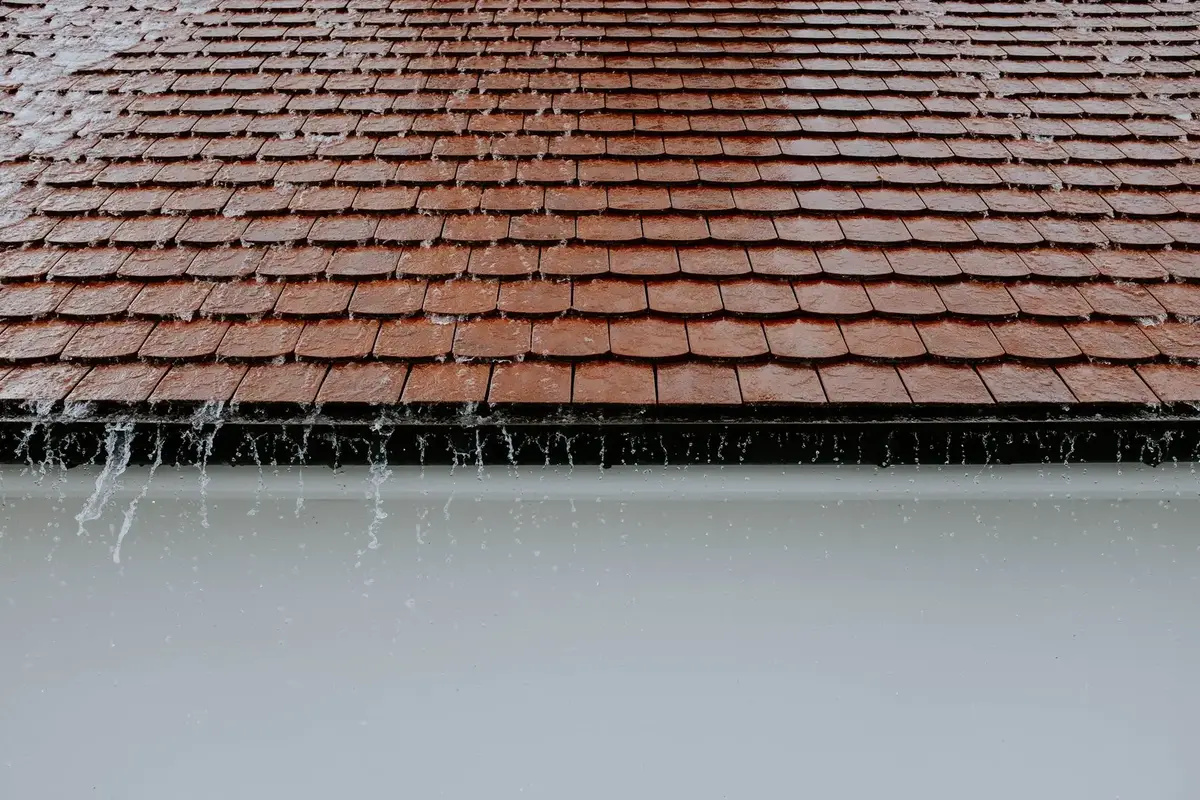
Clear the gutters, but then look at where the downspouts discharge. On a slope, a downspout that dumps beside a retaining wall is a drainage problem that will show up as a wall problem in February. On a flat lot with clay beneath the sand, it is a root-rot problem. Extend the outlets six feet past the wall or into a dry well, and check that the ground under the deck drains away from the house.
Fourth: the fire-clearance deadline is not in summer
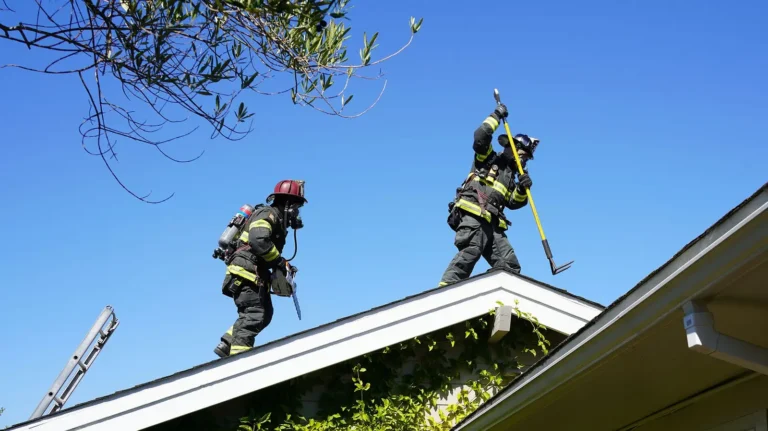
Defensible-space work is easiest in autumn, when the fuel is dry enough to chip and the weather is cool enough to do it. The zone closest to the house — the first five feet, noncombustible — is the one that matters most and the one most often skipped. Roof valleys, under-deck spaces, and the gap between the fence and the siding are where embers collect. Clear those before the first Santa Ana wind event, not after.
Do not clear by stripping the canopy. Removing the lower limbs of a mature oak raises the fuel ladder, but removing the canopy itself removes shade and windbreak and leaves the residual fuel drier. The goal is separation, not bare ground.
Fifth: plant, because this is the best window of the year
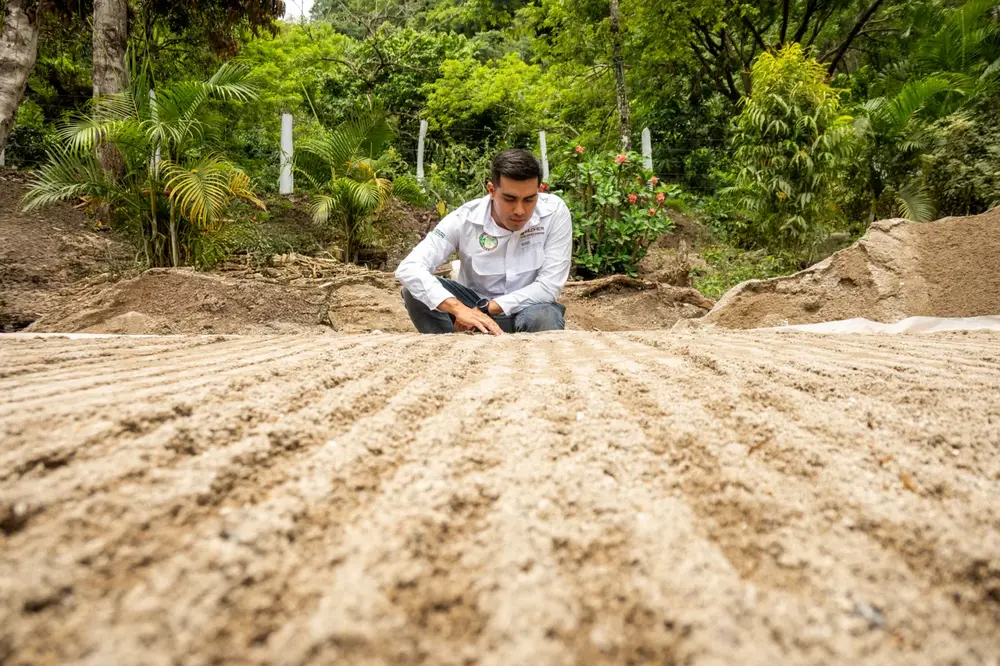
November through February is when a native tree planted on this coast has the best chance of establishing, because the soil is warm, the rain is coming, and the roots can grow without the canopy losing water it cannot replace. If you have been waiting to replace a lost tree, the wait is over.
Plant at the same depth the tree grew in the nursery, mulch three inches deep and keep the mulch off the trunk, and water through the first two summers even though it rains.
The one thing not to do in autumn: heavy pruning. Wounds made now sit wet for months, and the tree is shutting down rather than sealing. If a limb is dead, take it. If it is alive and merely inconvenient, wait for the dry window in late winter or the August one. The storm does not care about your schedule, but the tree does.