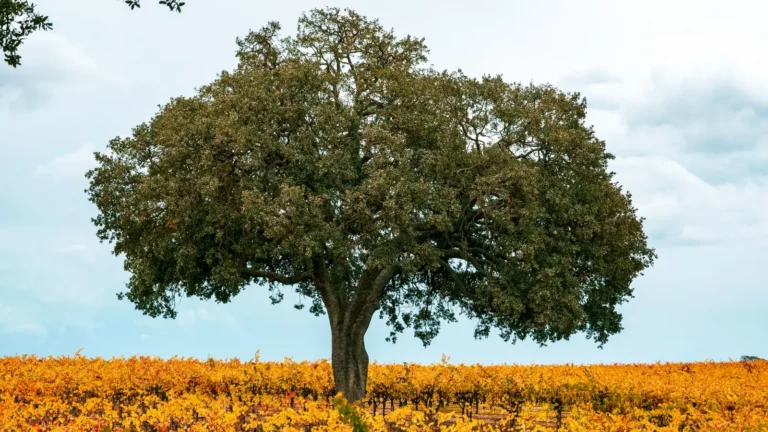
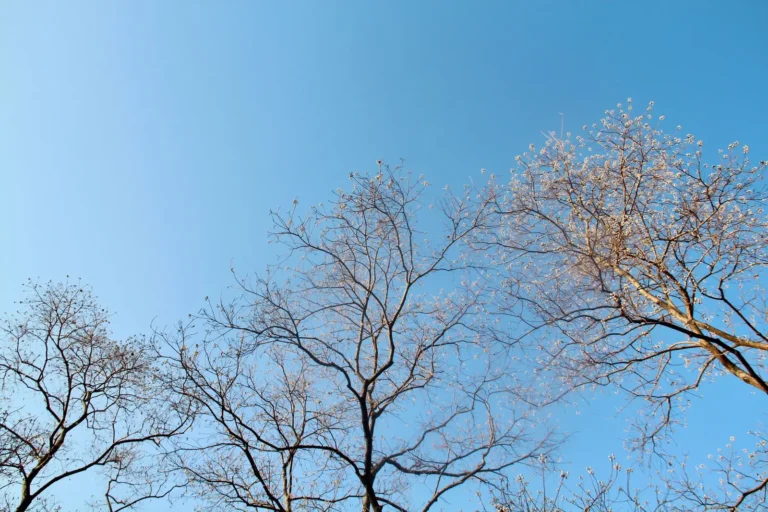
The Empty House: Winter Tree Safety When Nobody Is Home
Quick answer: The Empty House: Winter Tree Safety When Nobody Is Home — Trees on this coast live with fog, salt, wind and thin soil, and the work that keeps them healthy is decided by those conditions rather than by a calendar written inland. Structure, clearance and the root zone are what a tree here needs looked at, and small work done early is what keeps a tree out of the emergency list.
Field note. What we see on this coast is that the trees people worry about are usually not the ones in trouble: the pine with a clean crown and a lean that predates the house is often sounder than the tidy tree that has been quietly drowning in its own root zone.
On the other hand, there is no schedule that suits every tree — the same species on two sides of one street can need opposite care, which is why we look before we recommend.
Most of the tree damage on this coast is found by the person who lives in the house. A limb on the roof is noticed because the ceiling stains. A blocked gutter is noticed because the wall is wet. When the house is empty from November to March, none of that happens, and a two-hundred-dollar repair in December becomes a insurance claim in April.
This is the checklist I give owners of second homes and vacation rentals. It is built around one fact: the house will not tell you, so the inspection has to happen before you leave.
Before you lock up: the four looks
Look up from the driveway. You are checking the roofline, not the whole canopy. Any limb that crosses the ridge within ten feet needs a second opinion. Photograph it from the street; the photograph is your baseline in March.
Look at the gutters. On a pine lot they will be full in November. Full gutters back water under the shingles, and the damage appears at the ceiling, not at the gutter.
Look at the base. A fresh crescent of lifted soil, a lean that was not there in June, or a mushroom at the root flare are the three signs that matter. Photograph the flare with a shoe or a shovel for scale.
Look at the neighbour’s side. The tree that threatens your roof is often on the other side of the fence, and the person who owns it is the person who will see it move.
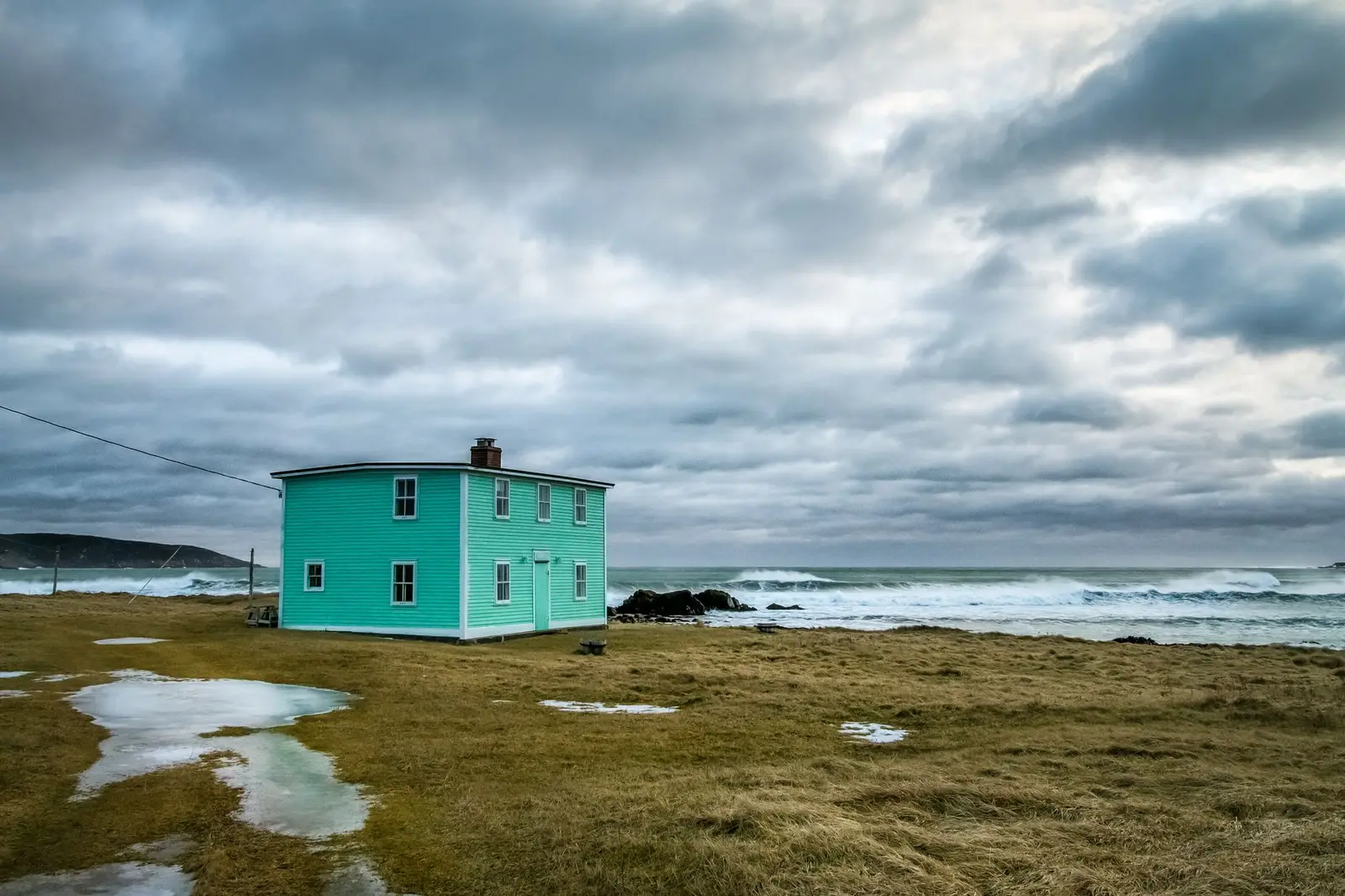
The neighbour arrangement
Ask one neighbour to walk the property after the first big storm and send you three photographs: the roof from the street, the base of the largest tree, and the driveway. Give them the number of a tree company you have already spoken to, so the call is not a search from a hotel room. This is a five-minute favour and it is worth more than any monitoring device.
If the property is a rental, put the same three photographs in the turnover checklist. Cleaners notice water before owners do.
What can wait until spring, and what cannot
Can wait: deadwood in the crown, a stump, mulch, cosmetic pruning, a tree that leans but has leaned for years.
Cannot wait: a limb resting on the roof, a gutter that is visibly overflowing, a split at a major union, a root plate that has lifted, and anything touching a power drop. Those four get a call before you leave, not after.
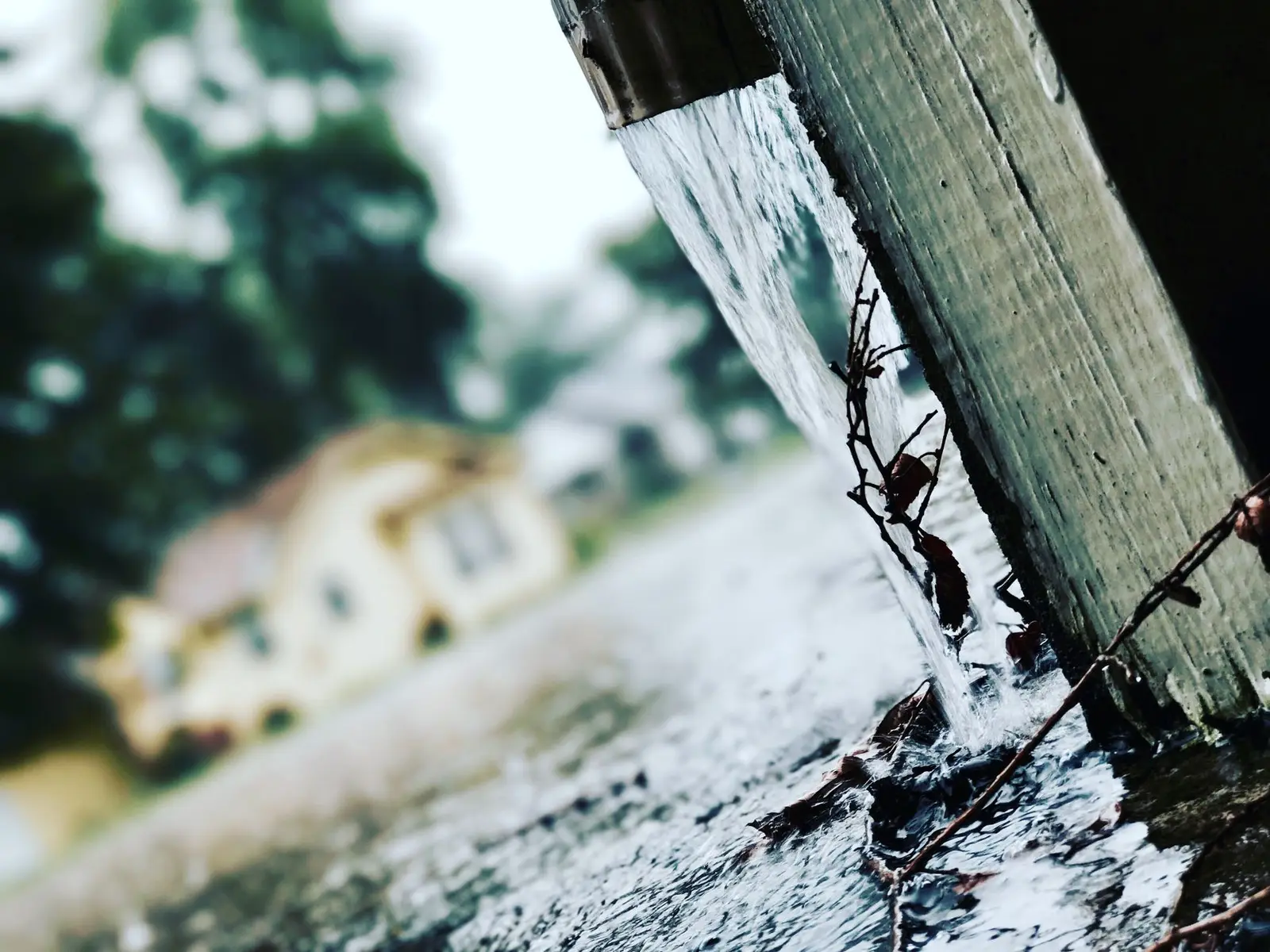
The winter wind is not the summer wind
Winter storms on the Central Coast arrive saturated ground first, wind second. A tree that stood through a dry gale in September can fail in a wet one in January because the soil no longer holds the root plate. That is why the base inspection matters more in winter than the crown inspection, and why a tree that survived last year is not automatically safe this year.
If the property has a slope, watch the downhill side. Water accumulating above a root plate is the mechanism behind most of the windthrow we see between Cambria and San Simeon.
None of this requires a crew on retainer. It requires a walk, a camera, and one neighbour who will look. The houses that come through winter intact are rarely the ones with the best trees. They are the ones where somebody looked in October.