The Inspection That Happens Before the Storm, Not After
Quick answer: The Inspection That Happens Before the Storm, Not After — Removing a tree is planning before it is cutting: where the wood lands, what is under it, whether a rope or a crane takes the weight, and what is left when the crew drives away. A removal is finished when the drop zone is clear and the stump is dealt with, not when the trunk hits the ground.
Field note. What we see here is that access decides the price more than height does: a pine over a fence on a slope with no driveway costs more to take down safely than a taller tree with a clear drop, and the plan is where that shows up.
On the other hand, removal is not the only safe answer — a tree with one failing limb, or a lean that can be corrected by reduction, is often better kept and managed than gone.
October is the quiet month. The fog has thinned, the ground is still firm, and nothing has fallen down in weeks. It is also the only month in which a tree inspection is cheap, because the alternative is January, at night, with a tree on something.
I have spent enough storm seasons to know that the calls are nearly always about a defect that was visible in autumn and unremarkable until it was urgent. Here is what we look for.
The five defects that matter
- A seam at a union
Bark included where two leaders meet, instead of a sound collar of wood. This is where trees split.
- Soil heave
A crescent of lifted ground or a new gap on the uphill side of the trunk — the root plate is moving.
- A lean that changed
Not a tree that always leaned. A tree whose lean is new, or steeper than last year.
- Cracks and cavities
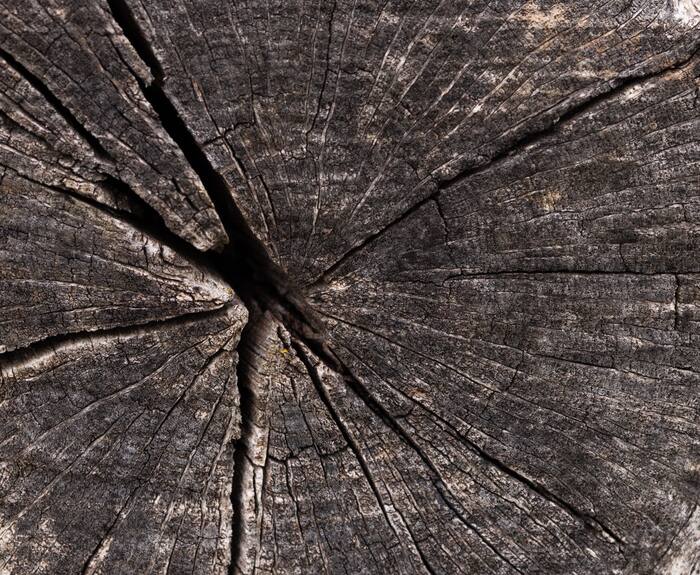
Longitudinal cracks in the trunk, or a hollow that a probe passes into. Depth decides urgency.
- Deadwood over a target
Dead limbs are normal. Dead limbs above a roof, a drive, a bed or a path are a scheduled failure.
Why the coast is its own case
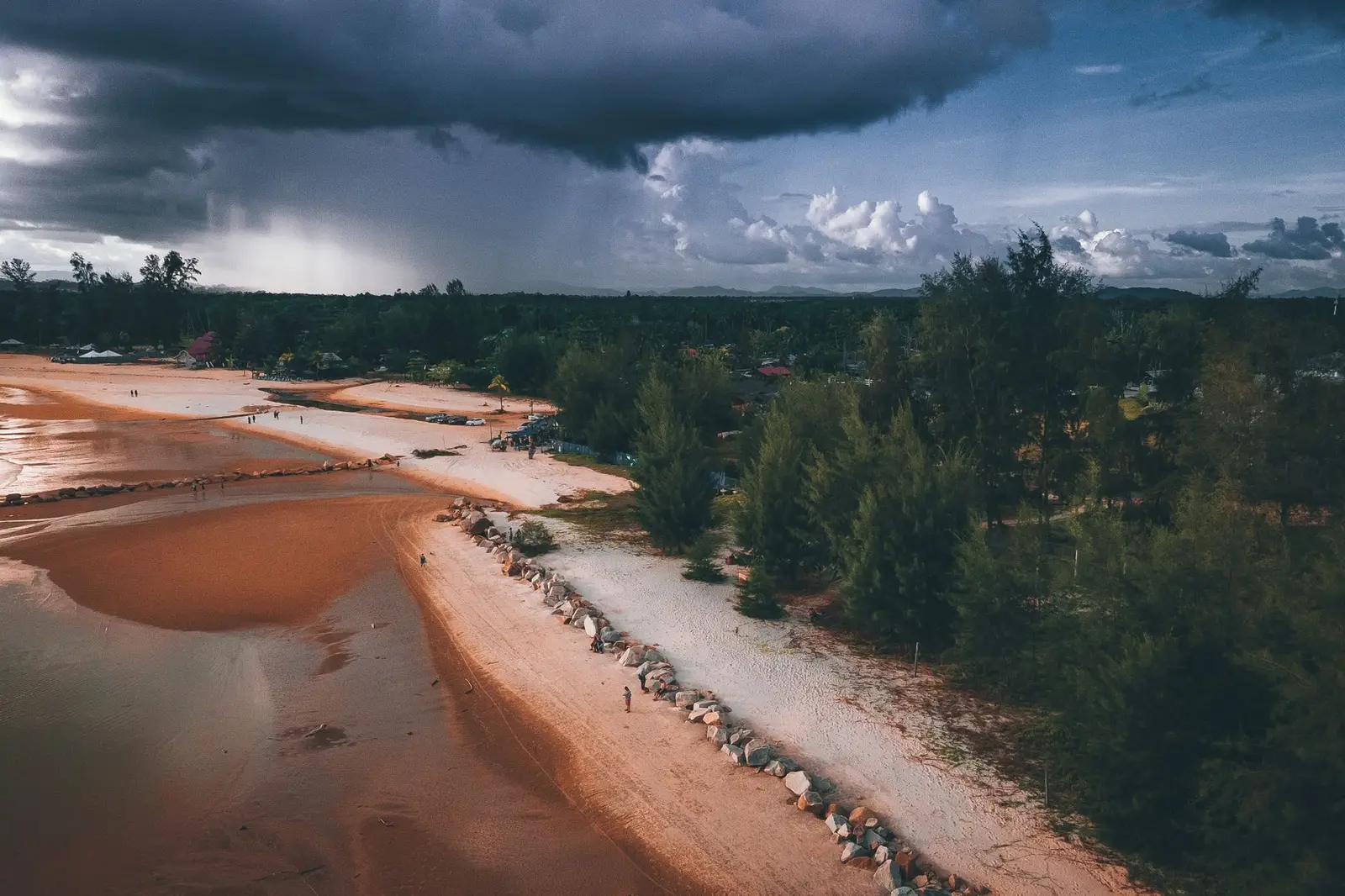
Two things make a Cambria winter different from a generic storm season. First, saturated ground: weeks of rain soften the soil that a root plate is holding, and saturated soil has far less to offer a leaning tree. Second, the species mix. Monterey pine and Monterey cypress both carry heavy limbs, and both are prone to shedding them in wind after a dry spell followed by wet — a pattern this coast produces most years.
That combination means the failure mode here is often not the whole tree going over. It is a limb arriving without warning, which is why deadwood over a target is treated as urgent rather than cosmetic.

What an inspection is not
An inspection is not a sales visit, and a company that finds a removal on every property is telling you about its incentives. A competent arborist will frequently conclude that nothing needs doing, or that one limb does, and will say so in a sentence you can act on.
An inspection is also not a guarantee. No one can promise a tree will not fail. What a good inspection does is separate the trees with a defect that can be mitigated from the ones with a defect that cannot, and tell you which is which before the weather makes the decision.
The forty minutes
Walk the property and look up, not down. Photograph anything on the list above. Then have someone who climbs look at the standing trees — all of them, not only the one you were worried about, because the tree that surprises people is almost never the one they called about.
Book it while the ground is dry and the calendar is empty. In ten weeks the same conversation costs a great deal more and happens in worse conditions.