The Liability Side of a Tree
Quick answer: The Liability Side of a Tree — Trees on this coast live with fog, salt, wind and thin soil, and the work that keeps them healthy is decided by those conditions rather than by a calendar written inland. Structure, clearance and the root zone are what a tree here needs looked at, and small work done early is what keeps a tree out of the emergency list.
Field note. What we see on this coast is that the trees people worry about are usually not the ones in trouble: the pine with a clean crown and a lean that predates the house is often sounder than the tidy tree that has been quietly drowning in its own root zone.
On the other hand, there is no schedule that suits every tree — the same species on two sides of one street can need opposite care, which is why we look before we recommend.
Tree liability is not about owning a big tree. It is about knowledge. A healthy tree that fails in a storm is an act of nature; a tree with a visible defect that the owner was warned about and did nothing about is a different conversation, and it is the one that ends up in an insurance file.
What counts as knowledge
Three things create knowledge. You saw the defect yourself — a crack, a conk, a lean that changed. Someone told you about it, including a neighbour, a contractor or a letter. Or an inspection found it and you have the report.
Once knowledge exists, the duty is to act reasonably: get an assessment, do the work, or document why the tree is safe. Doing nothing is the position that is hardest to defend.
Where the liability actually falls
For a tree on your property that damages a neighbour’s house, your homeowner policy usually responds, subject to the deductible and the policy’s exclusions. For injury, the analysis is about negligence: did you know, and did you act? A maintenance record does not make you immune, but it makes the timeline legible, and the timeline is what most disputes turn on.
If a neighbour’s tree threatens your property, the duty runs the other way. Put the concern in writing, keep a copy, and photograph the defect. A polite letter is not a legal threat; it is the record that the owner was told.
The records worth keeping
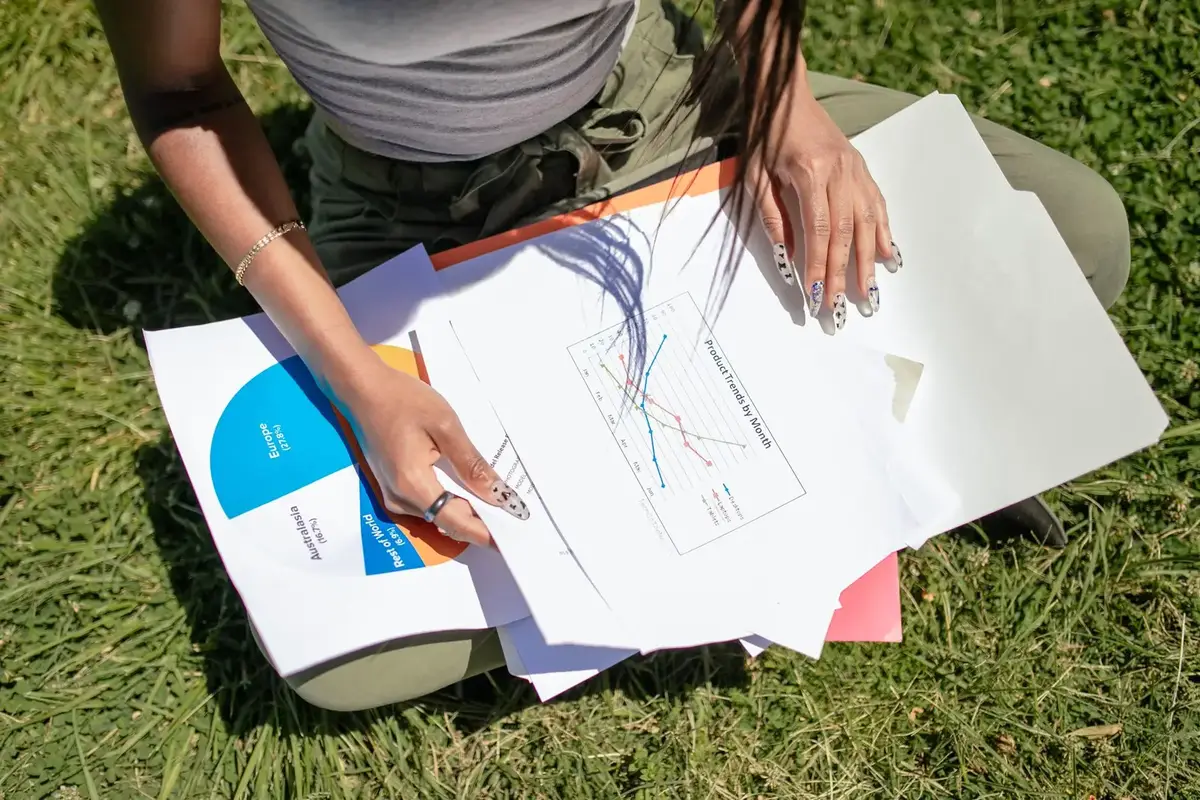
Keep the arborist report, the invoice for the work, and the photographs before and after. Keep the date of every inspection, even the ones where nothing was found. Keep the insurance certificate of anyone who works on the tree. Five documents, one folder, and a note of what was done each year.
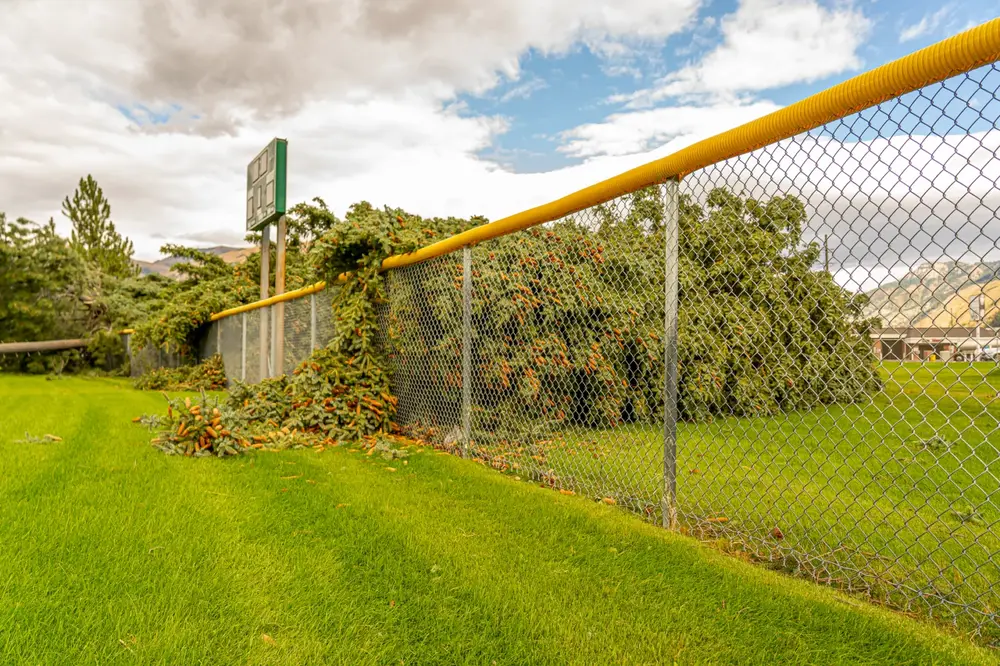
After a storm, photograph the failure where it lies before anything is moved, and note the weather. The question afterwards is always whether this was foreseeable, and the answer is always easier with a photograph taken in daylight.
What does not protect you
A verbal “the tree is fine” from a landscaper. A policy you have not read. A tree that has stood for eighty years — that is evidence of vigour, not of safety. And the belief that the council or the county is responsible for a tree on private land, which is almost never true.
The protection is boring and cheap: look at the trees once a year, write down what you saw, fix what is broken, and keep the paper. That is the whole of it.
The annual walk
Ten minutes, once a year, in the same month, on foot with a torch. That is the whole inspection a homeowner can responsibly do, and it catches most of what matters before it becomes knowledge you have to act on.
Start at the base and work up. Look for a new lean, soil cracking in a crescent on the downhill side, mushrooms at the root flare, and a hollow sound when you tap the trunk with a spanner. Check the unions where two stems meet for a crack or a dark seam of included bark.
Look up the trunk for seams, sunken patches and bleeding. Then the crown: dead tips, a thinning top, and limbs that cross or rest on one another.
Photograph the same four views every year — base, trunk, the whole tree from the street, and the roofline. The value is not in any single photograph. It is in the comparison, which is how a slow change becomes visible.
Write one line in a notebook: the date, what you saw, what you did. If a tree has a defect you are choosing to monitor rather than fix, write that down too, with the reason. Monitoring is a legitimate decision; monitoring without a note is the decision you will not be able to explain two winters later.
The annual walk is not a substitute for an arborist, and the two should not be confused. A homeowner can see a crack, a conk or a new lean. What a homeowner cannot see is the wood behind the bark, the root plate under the soil, or the difference between a defect that has been stable for a decade and one that started in March.
For a large tree within falling distance of the house, a professional assessment every three to five years is the proportionate interval — more often after a storm, a drought, or any construction that cut roots within the crown radius.
One practical note for anyone with a large oak near the house: get the assessment before the storm season, not after. An arborist who sees a tree in October can schedule work; one who sees it in January is doing an emergency call on a saturated slope.