Canopy as Collateral: What a Tree Actually Adds at Sale
Quick answer: Canopy as Collateral: What a Tree Actually Adds at Sale — Pruning is a plan before it is a cut: deadwood and broken limbs first, then clearance from roofs, wires and paths, then the structure the tree will carry for the next decade. The right cut heals and the wrong one invites decay, which is why the order matters more than the number of cuts.
Field note. What we see on this coast is a pruning calendar that does not match the inland one: salt air, fog and wind mean a cut that would be minor in the valley can be the one that opens a crown to decay here, so we look at the species and the exposure before the season.
On the other hand, not every tree wants to be pruned: leaving a healthy canopy alone is a decision that pays, and a tree with plenty of space is often better served by doing nothing.
The USDA Forest Service has repeated a range for decades: mature trees can add somewhere between a few percent and something closer to twenty percent to a residential property’s value, depending on species, size, health and placement. Treat the top of that range as a best case, not a promise. The mechanism behind it is not mysterious, and it is worth understanding before you decide whether to spend two thousand dollars on a dying oak or cut it down.
The four ways canopy shows up in a price
Curb appeal. This is the biggest and the least measurable. A street with a closed canopy sells faster than the same street with none, and buyers pay for the feeling without ever naming it.
Shade and energy. A deciduous tree on the west side cuts afternoon solar gain in summer and drops its leaves in winter. On this coast the effect is real but smaller than inland, because the fog does much of the work already.
Privacy and screening. A mature hedge or canopy screen is expensive to install and free once it exists. Buyers price the alternative: what would it cost to build that screen from scratch?
Comps. Appraisers do not value trees directly, but they select comparable sales from neighbourhoods that have them. The premium is already baked into the comps before the appraiser arrives.
The discount nobody mentions
The same tree can subtract value. A dying pine with a lean toward the house is a liability that a buyer’s inspector will find, and the negotiation that follows usually costs more than the removal would have. Fire insurance in this county is priced partly on defensible space, and a wall of unmanaged cedar against the siding is a premium problem.
A heritage oak that cannot be touched without a permit is a constraint on any future addition, and a good buyer’s agent will price that constraint.
So the value is not in the tree’s existence. It is in the tree’s condition plus the clarity of its legal status.
What to do in the year before you list
Get an arborist report. A written assessment with species, size, condition and risk rating does two things: it tells you what to fix, and it hands the buyer’s inspector a document that says the tree has been looked at by someone qualified. On a parcel with several mature oaks, that report is worth more than any staging.
Do the deadwood. Dead limbs are the cheapest visible improvement on the whole property. Removing them changes the silhouette, reduces the risk, and costs a fraction of what a buyer will deduct for them.
Fix the root flare. If the trunk disappears into a mound of soil or mulch, the tree is being slowly suffocated. Exposing the flare is unglamorous work that a report will flag and that a buyer’s arborist will notice.

The species question
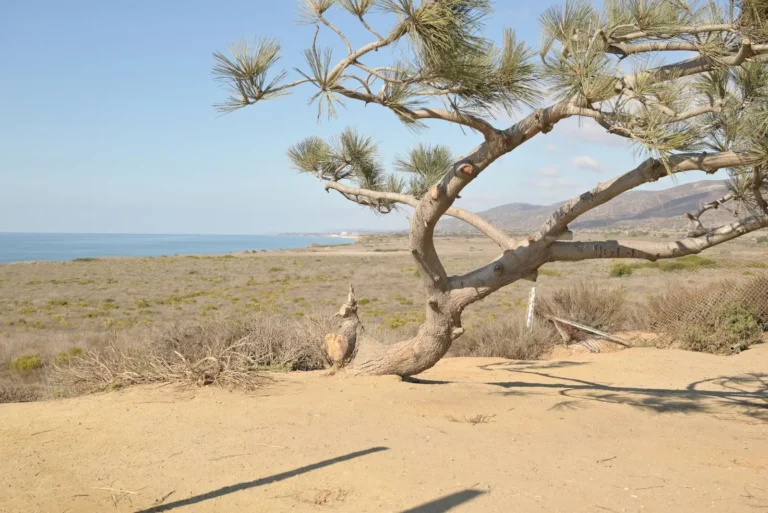
Monterey pine is fast, tall and iconic, and it is also short-lived, shallow-rooted and increasingly stressed by drought and beetles. A fifty-year-old pine at the edge of a lot is a beautiful thing and a known risk. Coast live oak is slower, longer-lived and far more valuable in the long run, which is why the county protects it.
If you are planting for resale value rather than for this decade, the oak is the better bet, and the correct place to plant it is where it can stay for a century.
The honest version: plant the right tree in the right place, keep it alive, and document its condition. That is the whole value strategy, and it takes twenty years rather than a weekend.