Mulch Around Perennials: Crowns, Self-Seeding and the Slug Tax
Quick answer: Mulch Around Perennials: Crowns, Weeds and Slugs — Mulch is the cheapest thing that happens to a tree: a flat layer over the root zone holds moisture through the dry season, keeps the soil temperature steady and feeds the soil life the tree depends on. Almost every mulch problem is a depth problem or a contact problem — too thick, or piled against the trunk where the bark has to stay dry.
Field note. What we see most on this coast is not too little mulch but too much, in the wrong place: the volcano against the trunk that keeps the bark wet through the fog season and invites rot where the tree cannot show it until the canopy thins.
On the other hand, a thin ring of the wrong material is worse than none at all — matted, water-repellent mulch sheds the rain it was meant to store.
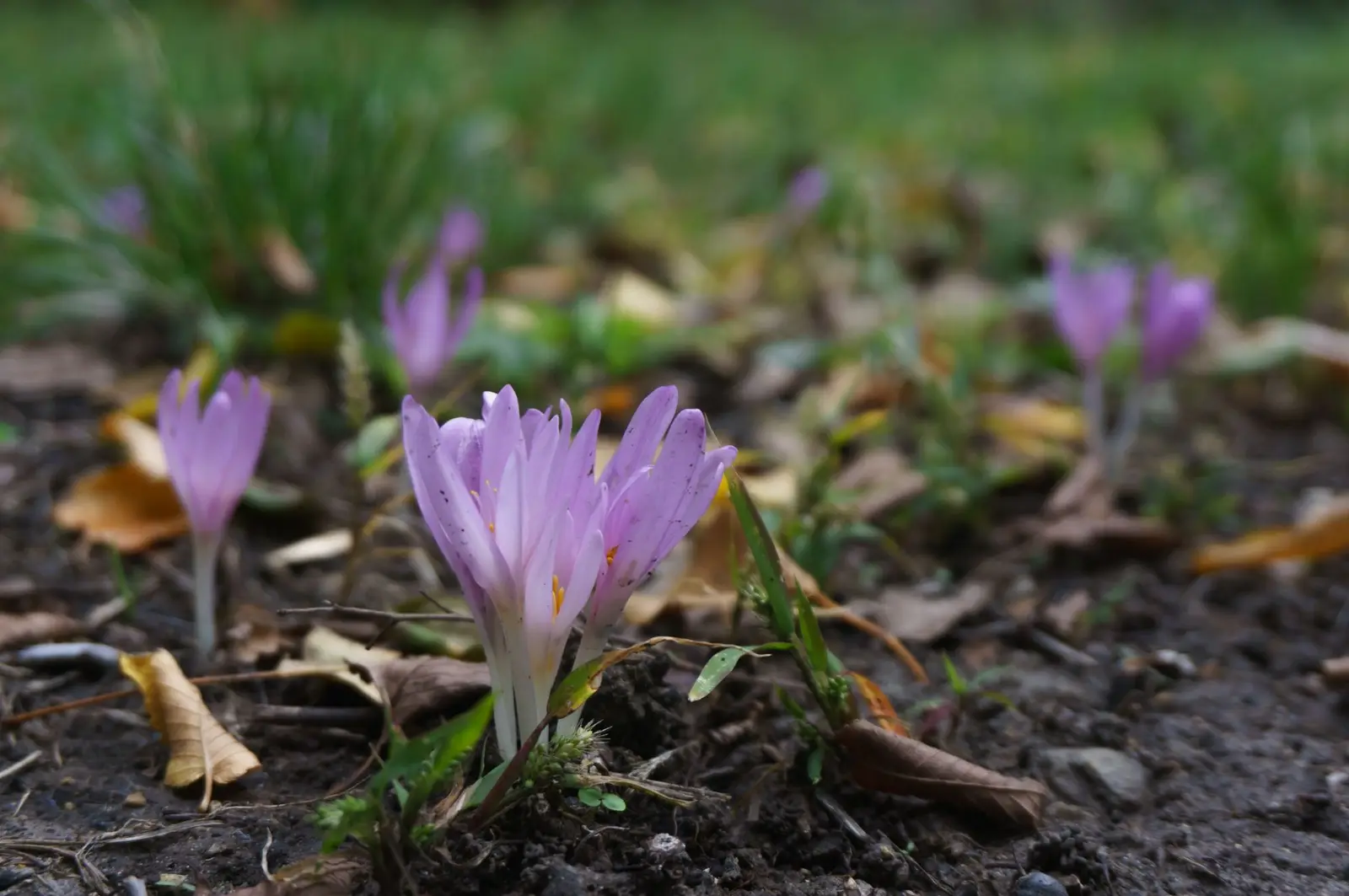
A perennial border is a different problem from a tree bed because the plants disappear. In winter there is nothing to see, and the temptation is to spread a generous layer over the whole bed. That layer sits directly on the crowns, and a crown that stays wet through a coastal winter is a crown that rots.
The crown rule
Keep mulch off the crown. Not six inches away, but enough that the growing point is visible and can dry: a hand’s width around the base of each clump, wider for big herbaceous plants. The rest of the bed gets the layer. This is the same principle as keeping mulch off a tree trunk, applied to a plant that is only a few inches tall.
Material follows the job
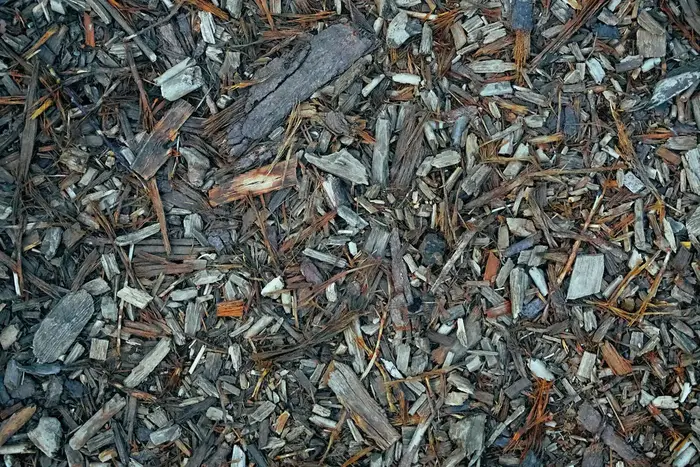
Bark fines knit together, stay put, and look deliberate. Good for a formal border, slower to feed the soil. Composted green waste feeds faster and is easier for plants to push through, but it germinates weed seed and washes on a slope. Shredded leaves are free, feed the soil, and are the best choice for a naturalistic planting that wants to self-seed.
Self-seeding is the reason to think about depth. Foxgloves, poppies and nigella need contact with soil. An inch of fines will stop them; a thin scatter of leaves will not.
The slug tax
Every mulch is habitat, and on this coast the first tenant is the slug. A deep, wet, coarse layer around soft new growth is a nursery. The mitigation is not to abandon mulch; it is to keep the layer thinner in spring, pull it back from the new shoots, and water in the morning rather than at dusk.
If slugs are already a serious problem, use a finer material for a season and let the bed dry between waterings. The population falls when the habitat does.
The seasonal pattern
In autumn, after cutting back, top up to two or three inches — the bed is going into the wet season and the mulch protects the soil surface from compaction and erosion. In spring, pull it back from the crowns and thin it where the new shoots are coming. That is the whole calendar, and it is the opposite of the “one big spread in April” most gardens get.
The winter question
Winter mulch is insulation, and insulation is only useful if the plant underneath is dormant and dry. Cut back the stems first, clear the debris, and then top up. Mulching over unclipped foliage traps the wet against the crown and does the opposite of protecting it.
On this coast the ground rarely freezes, so the winter layer is doing three quieter jobs: stopping rain from compacting the surface, keeping weed seed in the dark, and holding the soil in place on a slope. None of them require six inches. Two is plenty, and two is what a crown can survive.
The border that looks best in June was mulched in October and left alone. The one that struggles was buried in spring and watered all summer.