The Sycamore on the Creek: Care for a Tree That Wants Water
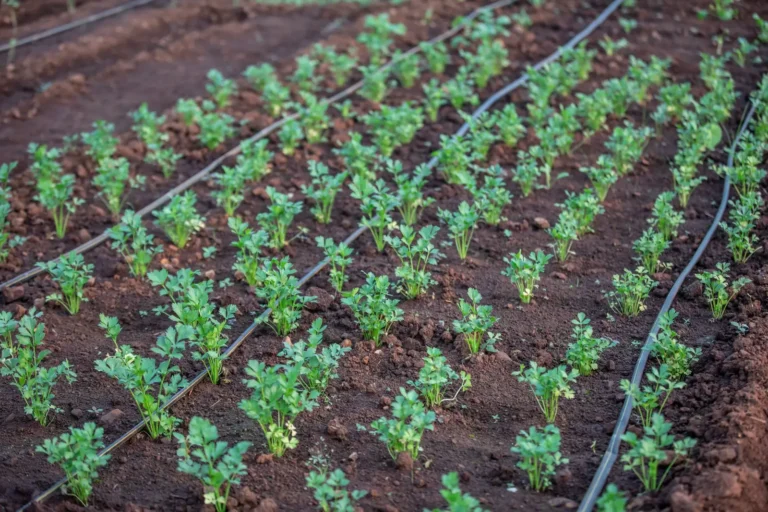
Quick answer: The Sycamore on the Creek: Care for a Tree That Wants Water — Trees are watered at the root zone, deeply and infrequently — a long soak that reaches down, then a dry spell that lets roots look for water, rather than a daily sprinkle that keeps everything in the top inch of soil. On the fog belt the question is rarely whether there is moisture in the air but how much got down to the roots.
Field note. What we see here is that salt air and wind dry a canopy faster than the thermometer suggests, so a tree can be water-stressed on a grey week when nothing looks hot to the person holding the hose.
On the other hand, more water is not a cure-all: on clay, a daily soak drowns roots more often than drought does, and the symptoms look almost identical from above.
The California sycamore is the tree that tells you where the water is. It grows along creeks and in low ground, it grows fast, and it gets big — sixty to a hundred feet with a canopy that can cover a small house. That combination makes it a wonderful tree in the right place and a permanent argument in the wrong one.
What it needs
Water, first. A sycamore planted on a dry ridge will survive and look tired; one near a seasonal creek will double its growth. Full sun, second: it is not a shade-tolerant tree, and a sycamore in heavy shade becomes a weak, leaning thing. Space, third, and this is where most plantings fail. The root system is aggressive and shallow, and it will find the irrigation line, the septic field and the foundation.
The anthracnose question
Sycamores get anthracnose, a fungal leaf blight that shows as brown patches along the veins and premature leaf drop in spring. It looks catastrophic and usually is not. The tree leafs out again in late spring and the season is fine. The damage that matters is repeated defoliation in consecutive years, which drains the stored energy.
The practical response is sanitation, not spraying: rake and remove the fallen leaves, prune out dead twigs in dry weather, and keep the tree vigorous. A fungicide program is rarely justified on a landscape tree and never on a creek bank, where runoff matters.
Pruning, and why timing is awkward
Sycamores bleed heavily in late winter and spring. The bleeding is mostly cosmetic and does not kill the tree, but it alarms clients. Prune in late summer or early autumn, after the leaves have hardened, and remove deadwood rather than live branches. Structural pruning when the tree is young is worth more than any amount of corrective work later: a sycamore that develops a codominant fork at fifteen feet will eventually split there.
The placement test
Before you plant one, answer three questions. How far is the house? A sycamore at maturity needs thirty feet of clearance from a foundation, and more from a septic field. Where does the water go in winter? If the answer is through the spot you chose, the tree will love it and the drain will not. And is there room for the roots? A creek-side sycamore and a leach field are a bad combination.
Planted with those answers, it is one of the best shade trees on the coast: fast, tolerant of wind, and genuinely beautiful in winter when the white limbs show.
Planted without them, it is a tree that will be removed in twenty years by someone who did not choose it. The tree is not the problem. The siting is.