Bark, Straw, Leaves, Compost, Gravel: What Each One Is For
Quick answer: Bark, Straw, Leaves, Compost, Gravel: What Each One Is For — Mulch is the cheapest thing that happens to a tree: a flat layer over the root zone holds moisture through the dry season, keeps the soil temperature steady and feeds the soil life the tree depends on. Almost every mulch problem is a depth problem or a contact problem — too thick, or piled against the trunk where the bark has to stay dry.
Field note. What we see most on this coast is not too little mulch but too much, in the wrong place: the volcano against the trunk that keeps the bark wet through the fog season and invites rot where the tree cannot show it until the canopy thins.
On the other hand, a thin ring of the wrong material is worse than none at all — matted, water-repellent mulch sheds the rain it was meant to store.
“What is the best mulch” is the wrong question, and the answer changes with the bed. A material that is excellent around an oak is wrong in a vegetable patch, and the material that keeps weeds out of a gravel border is a fire hazard against a wall. Here is what each one is actually for.
Arborist chips
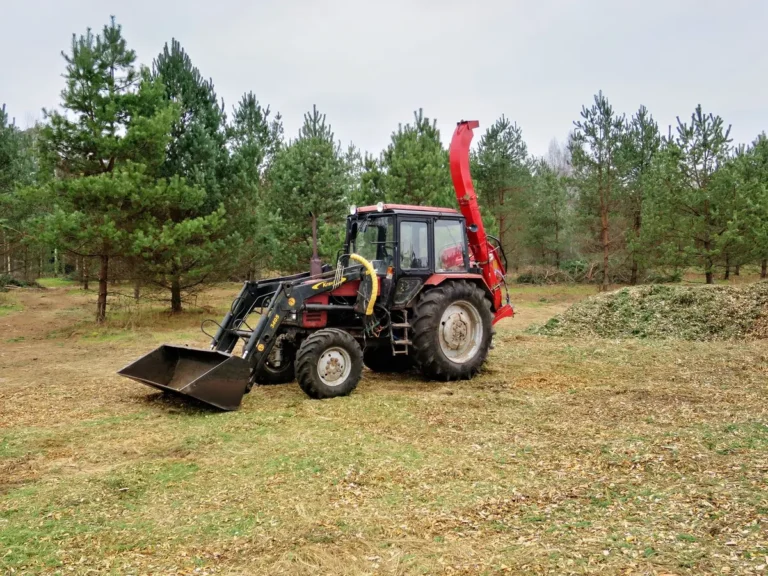
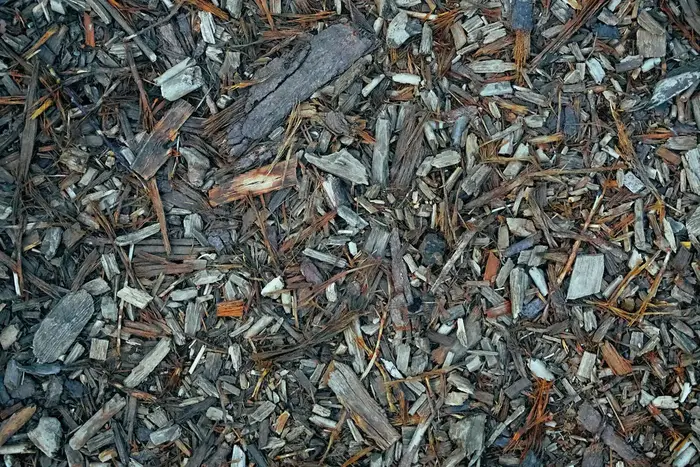
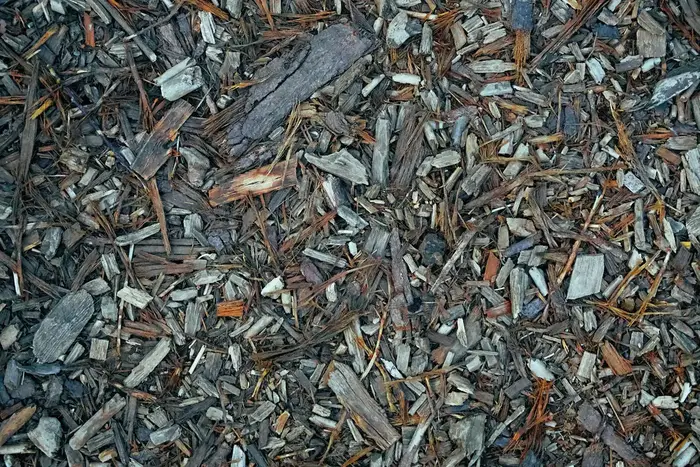
Fresh, mixed, uncomposted wood and leaves straight from a chipper. The best all-round material for trees and shrub beds: coarse, long-lasting, free or cheap, and it feeds the fungal succession that builds soil. It can tie up nitrogen at the surface if incorporated, so leave it on top. It is also irregular, which is either character or a problem depending on the garden.
Bark fines and nuggets
Consistent, attractive, slower to break down than chips, and more expensive. Fines knit together and stay put on a slope; nuggets are looser and better for a coarse look. Neither feeds the soil as fast as mixed chips, and both are the right answer when the bed is visible from the street.
Straw and hay
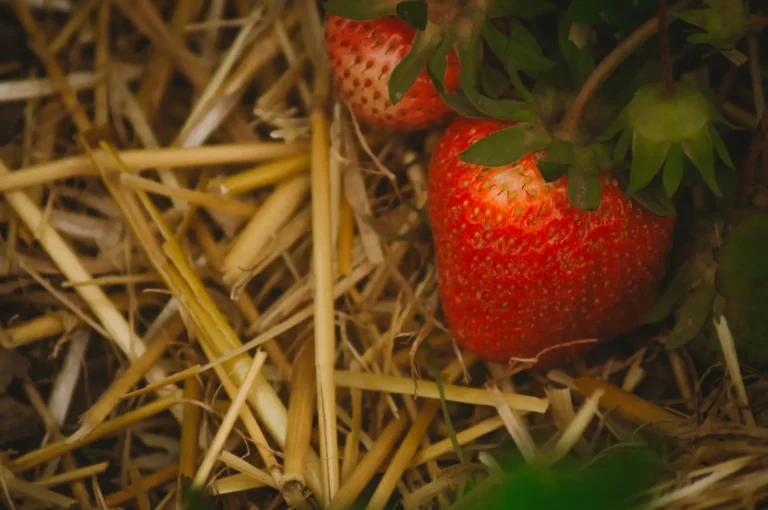
Straw is for annual beds and paths. It is light, easy to move, and breaks down in a season. Hay brings weed seed and is a false economy unless it is clean. Both are combustible when dry and both blow in wind, so they belong behind a windbreak rather than against a fence.
Leaves and leaf mould
Free, and the best thing you can do with them is keep them. Whole leaves mat and shed water; shredded leaves behave like a proper mulch. Leaf mould — leaves left in a pile for a year or two — is a soil conditioner rather than a mulch, and it is worth the space it takes.
Compost
Not really a mulch: it is a soil amendment that happens to work as a surface layer. Excellent in vegetable beds and around perennials, where you want material to break down and feed. Poor on a slope, where rain washes it off, and poor as a weed barrier, because weed seeds germinate happily in it.
Gravel and stone
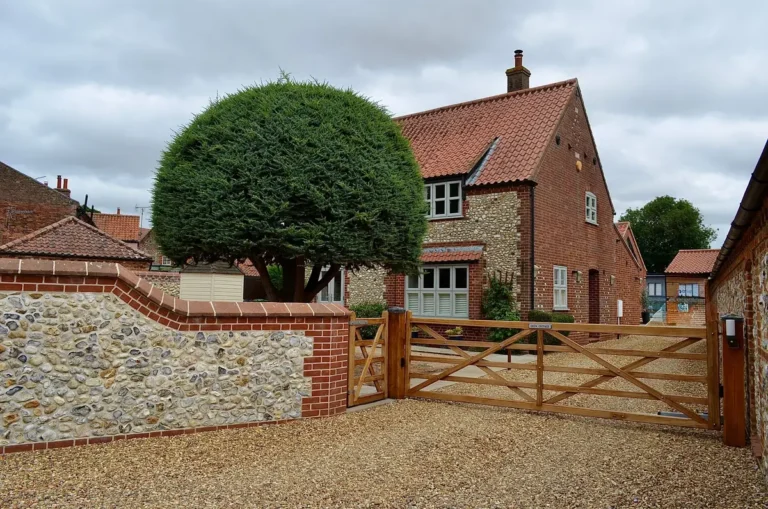
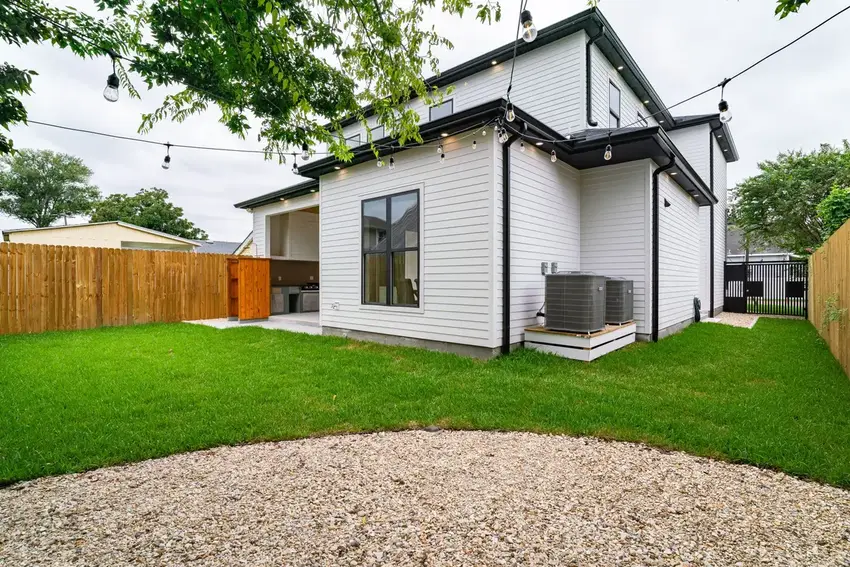
Permanent, non-combustible, and the right answer in the first five feet around a house in a fire zone. It does not feed anything, it heats up, and it is miserable to weed once grit has mixed into the soil. Use it where permanence and fire resistance are the requirement, not as a general bed mulch.
Rubber and synthetic
Long-lived and weed-suppressing, and it does not belong around trees or in food beds. It does not decompose, it does not feed soil, it can leach compounds into runoff, and it is difficult to remove once it has mixed with soil. In a playground or a utility strip, fine. In a garden, no.
Choose by job: chips for trees, fines for visible borders, straw for annuals, compost for vegetables, gravel for the fire zone. The rest is taste.