The Hour a Grinder Spends on Your Stump
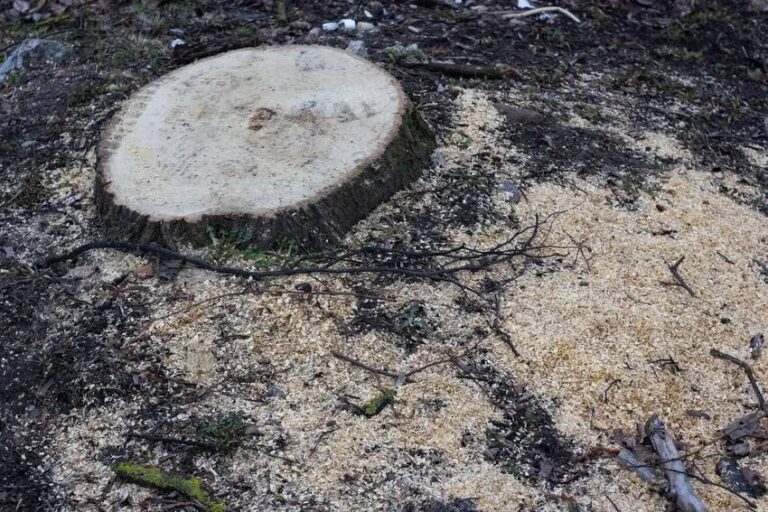
Quick answer: The Hour a Grinder Spends on Your Stump — A stump is the part of the problem that is still in the ground: it holds the roots that lift pavement, keeps a species alive if it re-sprouts, and occupies the spot where the next planting goes. Grinding removes it below the surface so the ground can be worked again, and the roots that matter are the ones under the driveway rather than the ones beside the trunk.
Field note. On this coast the stump is rarely the end of the job: Monterey pine and eucalyptus both keep enough energy in the roots to push new growth, so we are looking at the species before we quote the grind rather than after.
On the other hand, a stump left in a garden bed is sometimes the better answer — it decays, feeds the soil and costs nothing — so grinding is a choice, not a rule.
From the outside, stump grinding looks like a machine sitting still and making noise. From the operator’s seat it is a sequence with a lot of decisions in it, and the sequence explains both the price and the occasional surprise. Here is what actually happens, in order.
Before the wheel turns
The first job is walking the route. A grinder is heavy and awkward, and it goes where it is pushed. Gate widths, thresholds, soft lawn, a step up to the bed, a hose reel that has to move — all of that is checked before the machine leaves the trailer, because a grinder halfway down a narrow side path with no way to turn around is a difficult afternoon.
Then the stump itself. Height above grade matters: a tall stump has to be cut down first, and a stump with a chain or a fence post grown into it has to have that dealt with. Then the ground around it — a scan for irrigation, lighting cable, a buried downspout. Anything within a couple of feet of the stump is in the sweep path.
The sweep
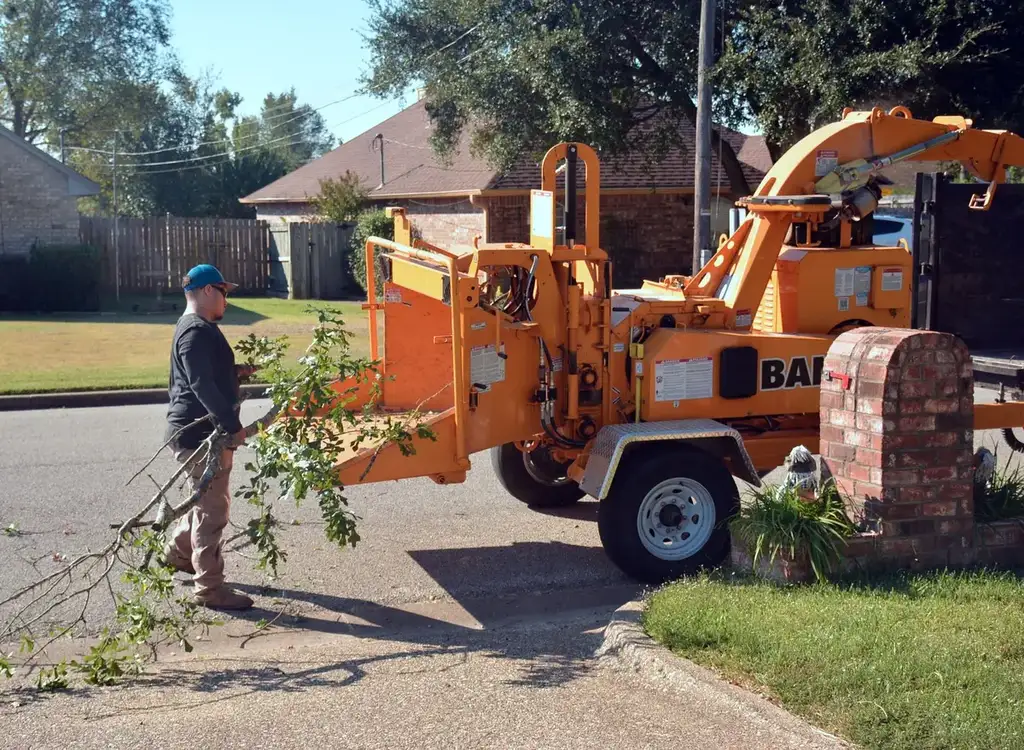
The wheel engages at the top of the stump and sweeps side to side, each pass dropping a few inches, until the cutting head is at the chosen depth. The operator works around the stump rather than over it, because the wheel can only cut what it can reach, and the roots that flare outward need a pass from each side.
The sound changes as the wheel moves from wood to root and back, and an operator reads that the way a driver reads a road. A sudden scream is grit or stone; a knocking is a loose tooth; a smooth drop in pitch usually means the wheel has found a soft pocket of rot, which is faster to cut and often means the stump is more extensive underground than its top suggested.
The part that takes the time
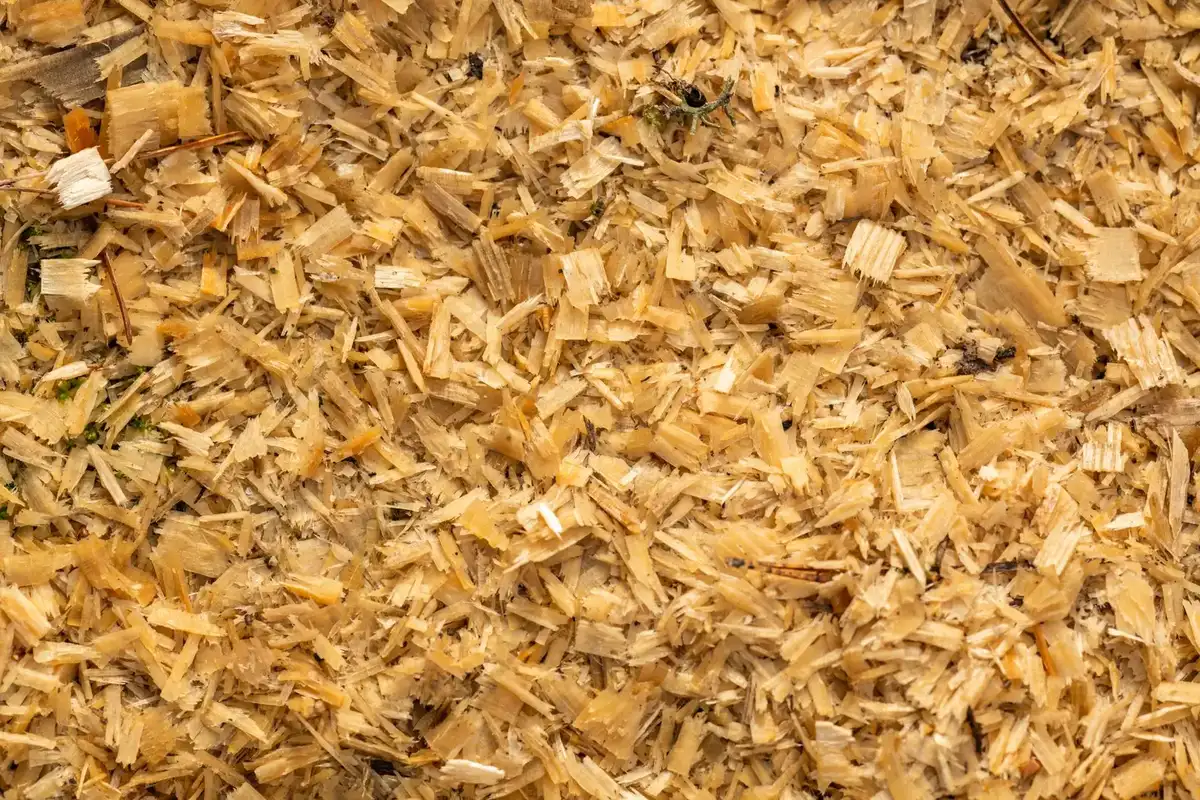
Grinding a 20-inch pine stump to eight inches takes a competent operator something like fifteen to twenty-five minutes. The remaining time is everything else: moving the machine, dealing with a rock, chasing a root that ran under a path, clearing chips, and — the big one — the cleanup. Chips go everywhere within a radius, and the fine dust settles on cars, windows and siding. A crew that does not tarp or screen is a crew that leaves a call-back.
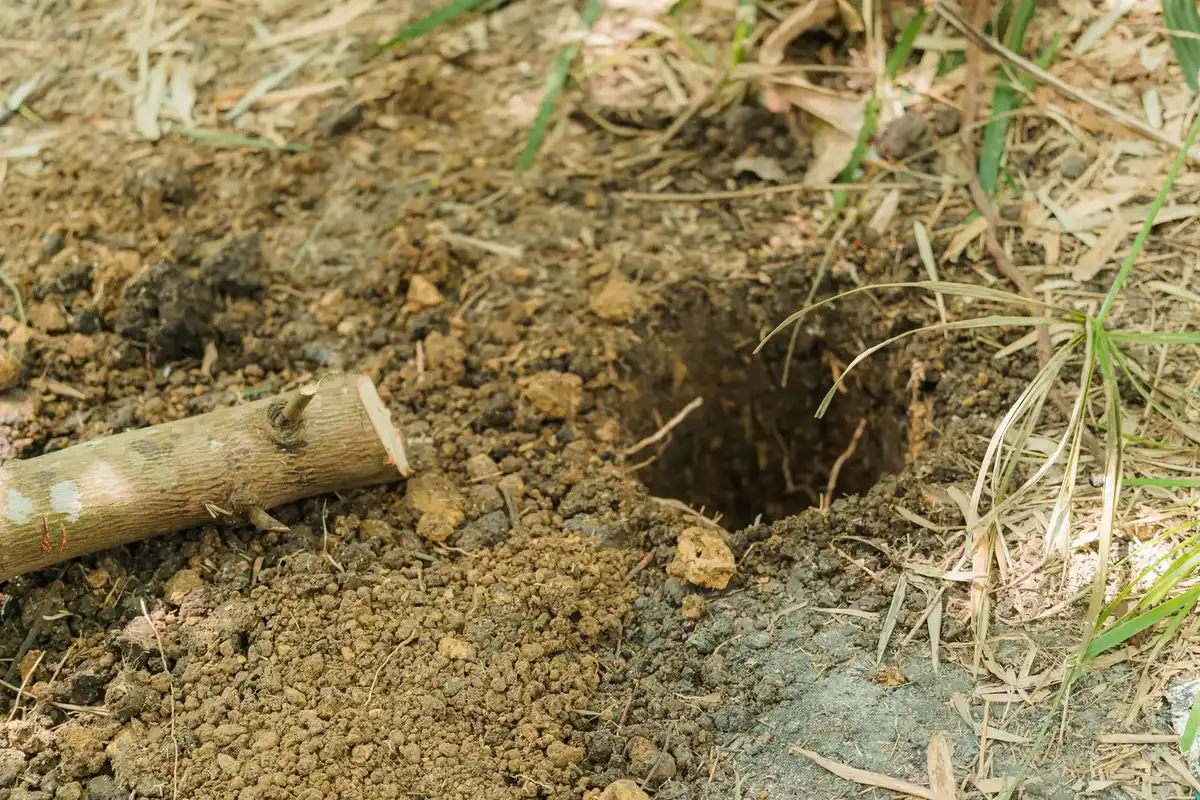
The hole is then the finish. Chips out, soil in, compacted in lifts, and the surface levelled so it does not become a puddle. On a lawn, that means a patch of bare soil that needs seed and water; on a bed, it means topping up the mulch after it settles, because it will settle.
What goes wrong, and what it costs
A buried rock is the most common surprise. The wheel will cut it, slowly, and the teeth will lose their edge doing it. A pipe is the expensive one; if it is not located, nobody is at fault but the person who was told to locate it and did not.
A stump surrounded by mature tree roots is the subtle one. Grinding through the flare of a neighbouring tree damages roots the tree needs, and on a shallow-rooted species that damage shows up two or three years later as dieback on the side facing the stump. The answer is to cut the stump lower rather than grind deeper, or to leave it and plant around it.
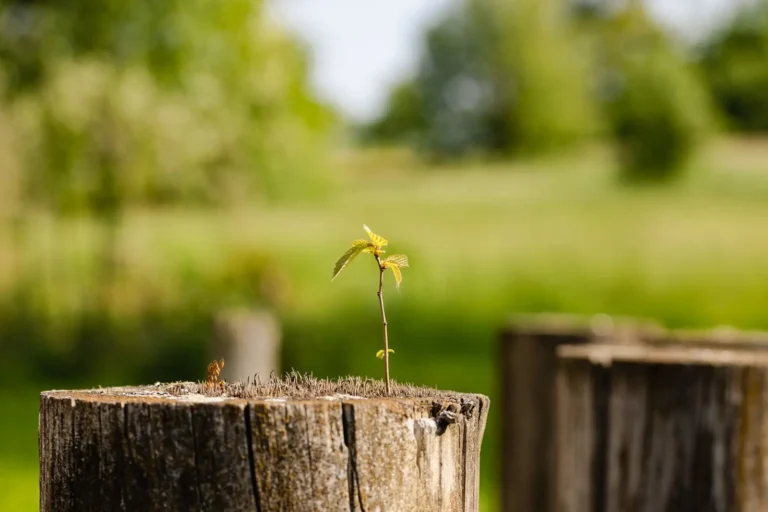
And the stump that keeps growing back. Grinding cuts wood; it does not kill roots. On a species that suckers, the stump will send up shoots within a season, and the only fix is to treat the cut surface or remove the roots. Ask about that before the machine is booked, not after the shoots appear. The service page covers depth options; removing stumps safely covers the cases where the machine is the wrong tool.