After the Grinder Leaves: What Is Still in the Ground
Quick answer: After the Grinder Leaves: What Is Still in the Ground — A stump is the part of the problem that is still in the ground: it holds the roots that lift pavement, keeps a species alive if it re-sprouts, and occupies the spot where the next planting goes.
Grinding removes it below the surface so the ground can be worked again, and the roots that matter are the ones under the driveway rather than the ones beside the trunk.
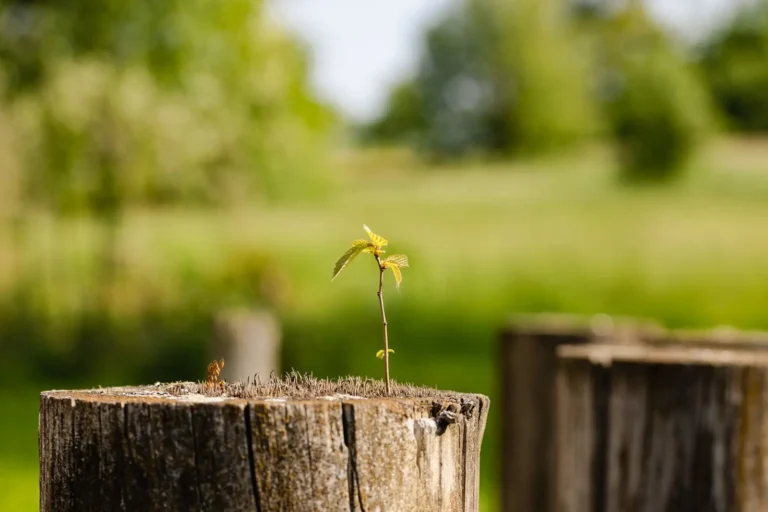
Field note. On this coast the stump is rarely the end of the job: Monterey pine and eucalyptus both keep enough energy in the roots to push new growth, so we are looking at the species before we quote the grind rather than after.
On the other hand, a stump left in a garden bed is sometimes the better answer — it decays, feeds the soil and costs nothing — so grinding is a choice, not a rule.
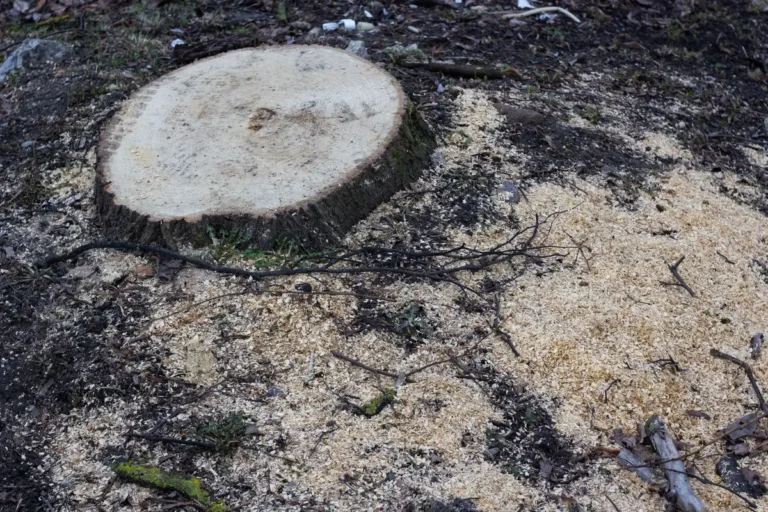
A stump grind is a surface operation. The grinder removes the crown and the top of the root system to below grade, and everything below and beyond that stays exactly where it was. What you are left with is a hole full of chips, a network of decaying roots, and a patch of ground that will settle.
What is actually still there
The main lateral roots, usually to a depth of a foot or two and out to the drip line. They decay over several years, and as they do they leave channels in the soil that water follows. That is why a lawn over an old stump develops a line of sinkholes, and why a path built over one cracks.
The grindings themselves are a mix of chip and soil. They are not soil: they are woody material that will continue to break down, which means the fill will drop by ten to twenty percent over two years.
Filling the hole properly
Do not fill the hole with topsoil and compact it. Fill in layers, water each one, and leave it slightly proud of grade so it settles to level rather than below it. If the hole is in a lawn, use a mix of the grindings and soil, and expect to top-dress next spring.
If it is in a bed, leave the chips and plant into them — they are a fine mulch. If it is under a path or a drive, remove the grindings entirely and backfill with compacted aggregate, because a chip layer under a hard surface is a future dip.
Planting over it
Wait a season, or plant something shallow-rooted. A new tree planted into a stump hole sits in material that will subside, and it will settle with it. If you want a tree there, plant a metre away from the old crown and use the hole for a shrub or ground cover.
There is also an allelopathy question with some species — eucalyptus and walnut are the usual examples — where the decomposing roots suppress what is planted above them. If the stump was one of those, plant a bed rather than a specimen for the first two years.
The roots that surface later
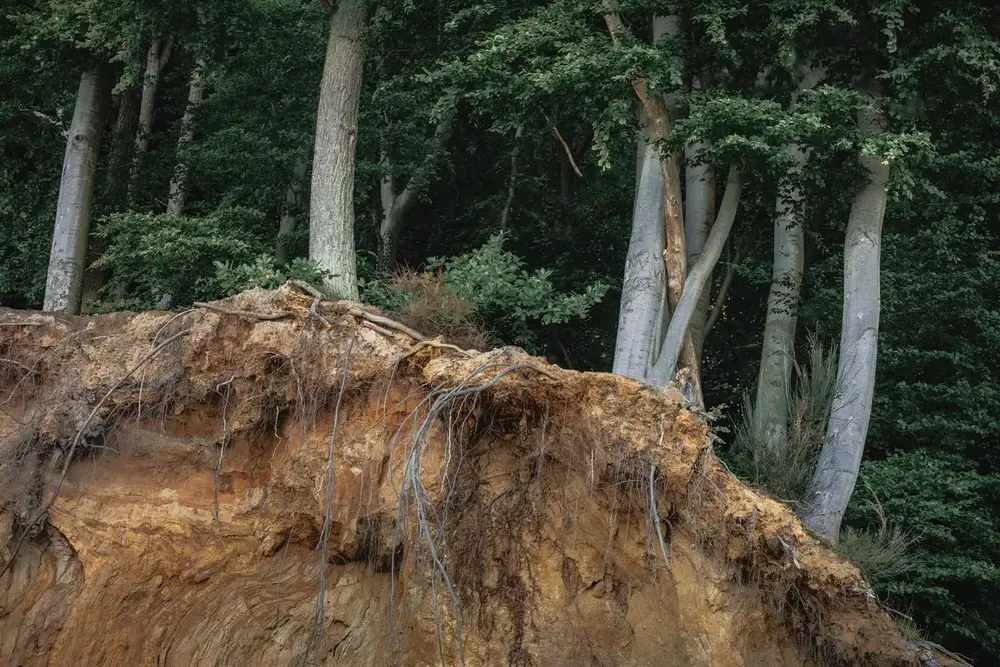
A root that was below grade can become a trip hazard as the soil around it erodes or settles. The fix is to cut it below the surface and fill over it, not to cover it with a board. On a slope, exposed roots are doing structural work — cutting them is an erosion decision as much as a safety one.
The grindings are not soil
A stump grind produces a heap of chips and soil mixed together, and the heap is roughly a third larger than the hole it came out of. People spread the surplus on the garden and then wonder why the bed is sour for two years: fresh wood chip ties up nitrogen at the surface as it breaks down, and a thick layer over a lawn will kill the grass underneath.
Use it as mulch, three inches deep, away from trunks. Compost it for a season if you have the space. Or have it hauled. What you should not do is backfill a planting hole with it and expect a tree to thrive.
The short version: the grinder solves the stump, not the site. Budget for the fill, the settling and a season of watching before you build or plant over it, and the ground will be ordinary again in two years.
When the stump was diseased
A stump from a tree that died of a root or collar pathogen is not just wood; it is inoculum. Grinding spreads the material, and the grindings carry the organism. If the tree died of Armillaria, Phytophthora or a confirmed canker, do not spread those chips in a garden bed, and do not plant the same species in the same spot.
The safe sequence is to grind, remove the grindings to landfill or a green-waste stream that hot-composts, and leave the ground fallow for a season before replanting with something that is not a host. It costs one extra haul and it prevents the next tree dying the same way.
If the cause was never diagnosed, treat the stump as suspect. The haul is cheap compared with a second dead tree and the years spent wondering why. One extra haul is the cheapest insurance in this article.