The Grinder, the Teeth and the Hole
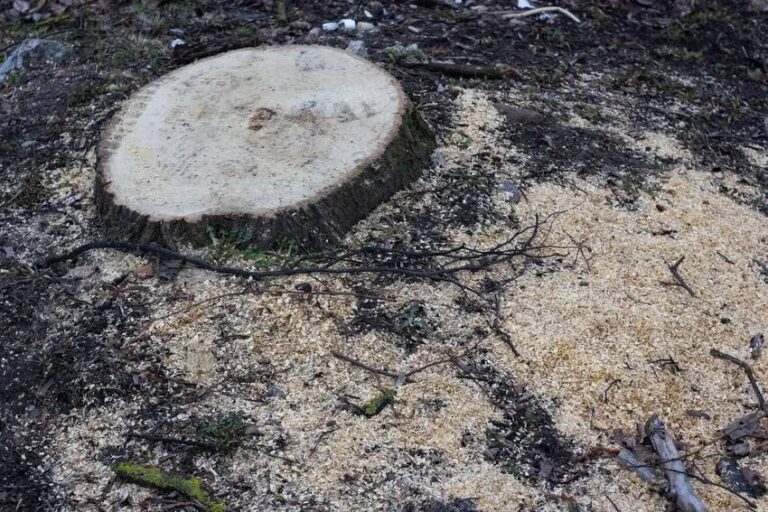
Quick answer: The Grinder, the Teeth and the Hole — A stump is the part of the problem that is still in the ground: it holds the roots that lift pavement, keeps a species alive if it re-sprouts, and occupies the spot where the next planting goes. Grinding removes it below the surface so the ground can be worked again, and the roots that matter are the ones under the driveway rather than the ones beside the trunk.
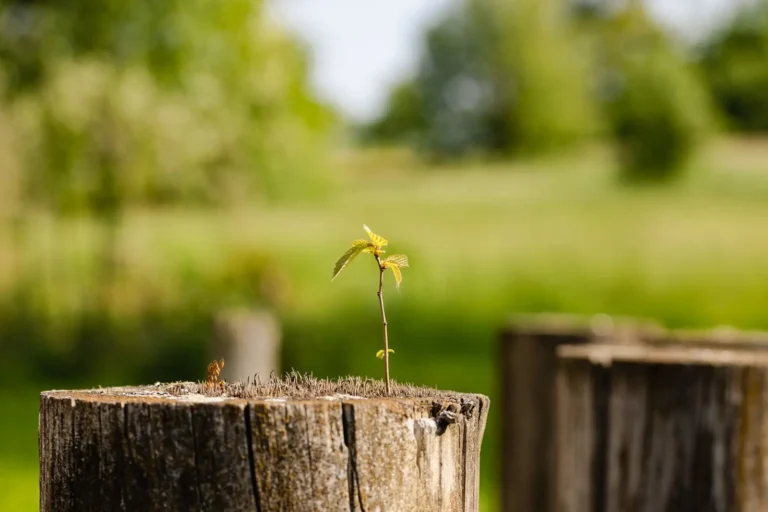
Field note. On this coast the stump is rarely the end of the job: Monterey pine and eucalyptus both keep enough energy in the roots to push new growth, so we are looking at the species before we quote the grind rather than after.
On the other hand, a stump left in a garden bed is sometimes the better answer — it decays, feeds the soil and costs nothing — so grinding is a choice, not a rule.
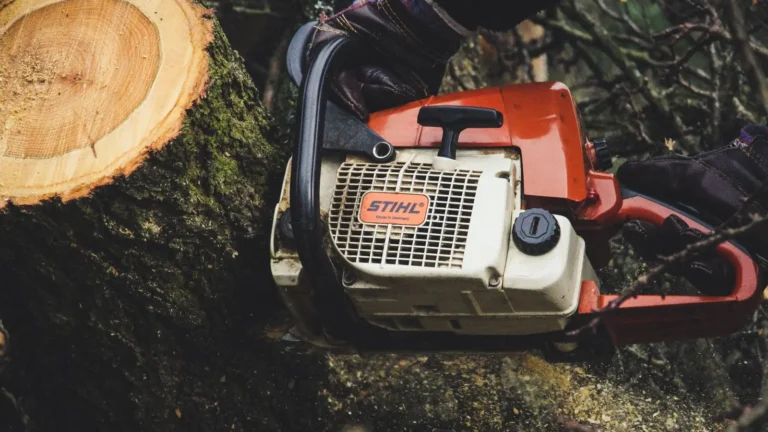
A stump grinder is not a mulcher and it is not a chipper. It is a spinning wheel with cutting teeth on its rim, swung across the stump in overlapping arcs, taking a few inches of wood per pass. Everything about the machine’s behaviour follows from that geometry, and so does everything about what a good or bad job looks like.
The wheel is the machine
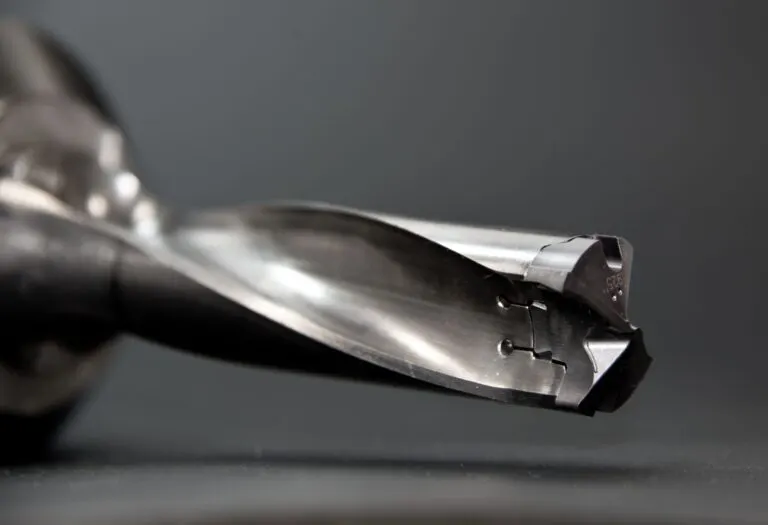
Grinders are described by their engine, and buyers ask about horsepower, but the work is done at the rim. A cutting wheel carries between a dozen and two dozen teeth, depending on the model, and each tooth is a small carbide insert bolted to a holder. The insert is what touches wood. When a machine is ‘cutting slowly’, the usual cause is not a tired engine — it is dull or chipped teeth, or teeth set for the wrong material.
There are two families. Straight teeth cut cleanly and fast in softwood and in green wood. Angled or ‘green’ teeth are more aggressive in fibrous material and in the stringy roots of palms and eucalyptus. The teeth are consumables: carbide wears, chips on grit, and gets replaced. A machine on its third set of teeth in a season has been grinding stumps full of embedded stone, which is the same thing as grinding a very hard soil.
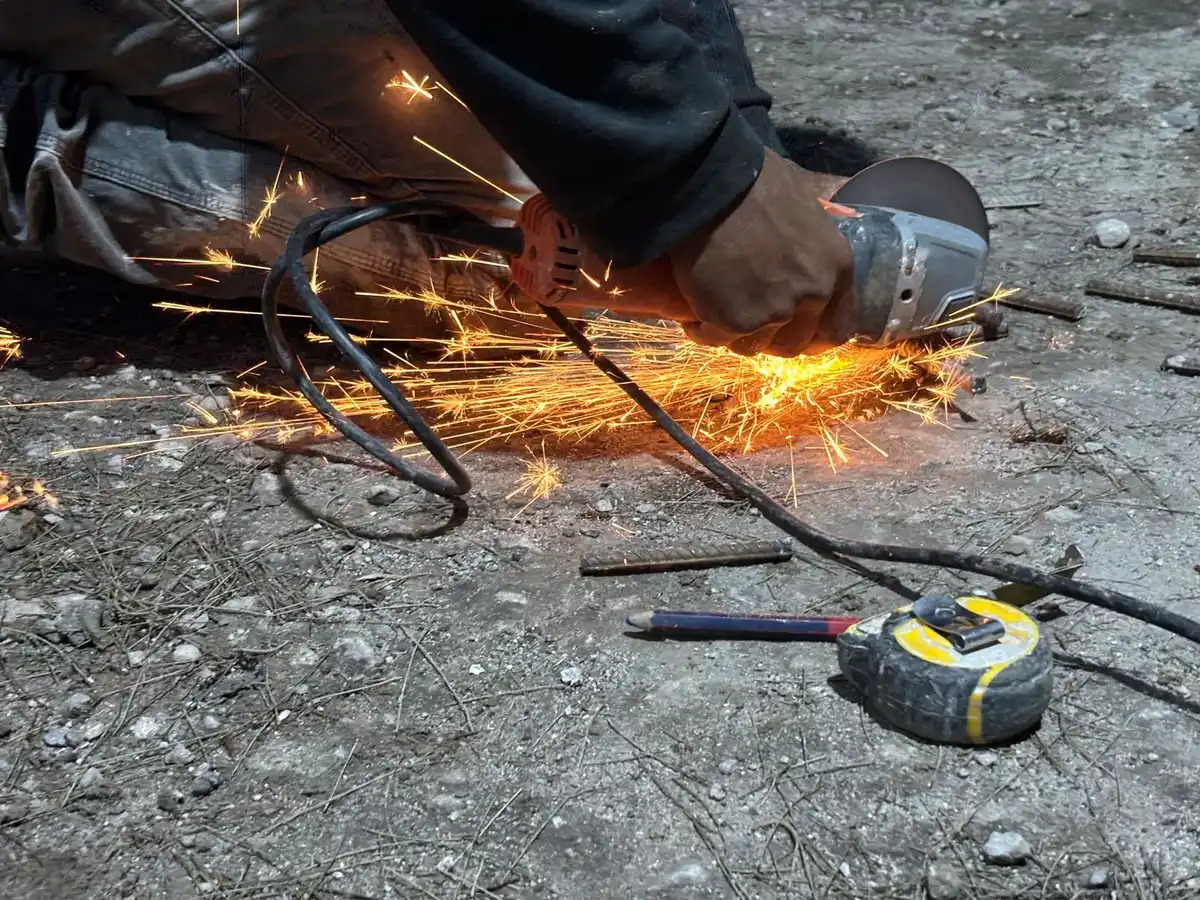
Because the wheel swings rather than plunges, the cut is always wider than the stump. A 20-inch stump is not removed with a 20-inch pass: the wheel sweeps across the whole face, and the resulting hole is typically a foot or more wider than the trunk at the surface. That is normal, and it is also why the hole has to be filled with something rather than left to collapse in the rain.
Depth is a decision, not a default
The machine can grind to whatever depth the operator sets, and the usual figure is six to eight inches below grade. That is enough to cover the stump with soil and plant grass over it. It is not enough to plant a tree, pour a footing, or lay a patio — in all three cases the remaining wood will rot, the ground will settle, and whatever was built on it will show the failure in a few years.
Deeper grinding is slower and costs more because the wheel is cutting through the widest part of the root flare with less access. There is a practical limit: beyond about eighteen inches the machine is working in a hole narrower than its own wheel, and the chips have nowhere to go. Where more than that has to come out, the job changes from grinding to excavation.
Chips, spoil and the hole
Grinding produces a surprising volume of chips — roughly a third of the stump’s volume plus whatever soil comes with it — and they are not soil. Left in the hole, they settle by half over a season, which is how a lawn ends up with a suspicious depression exactly where the stump was. The correct finish is to take the chips out, backfill with soil in lifts, and compact each lift.
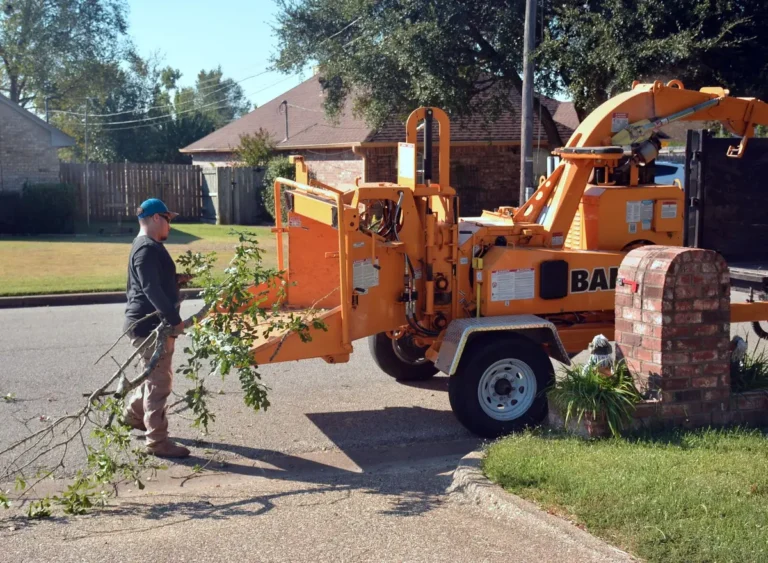
Chips do have a use: as mulch, once they have aged. Fresh chips from a stump are full of soil and grit and are better composted than spread. If a crew offers to leave them ‘as mulch‘, the honest question is where, because a pile against a fence is a fire and termite invitation, and a pile on a bed is fine after it has weathered.
What the machine cannot do
It cannot tell a root from a sprinkler line. Irrigation, landscape lighting cable, a gas line, a sewer lateral — all of them sit at the same depth as the roots the wheel is chasing, and all of them are the operator’s responsibility to have located. A grinder that hits a live irrigation main is a ten-minute repair and a wet afternoon; one that hits a gas line is an evacuation.
It also cannot reach a stump on a slope it cannot stand on, behind a gate it cannot fit through, or in a courtyard where the only access is a path narrower than the machine. In those cases the work is done with a smaller walk-behind unit or by hand, and the price reflects the access, not the stump.
One more: it cannot make a stump stop resprouting. On species that sucker — eucalyptus, some willows, tree of heaven — grinding removes the stump and leaves the root system alive and motivated. Those need the roots treated or excavated. The stump grinding service page sets out what is included at each depth, and the eucalyptus stump article covers the resprouting case in detail.