Hazard Is a Ratio, Not a Condition
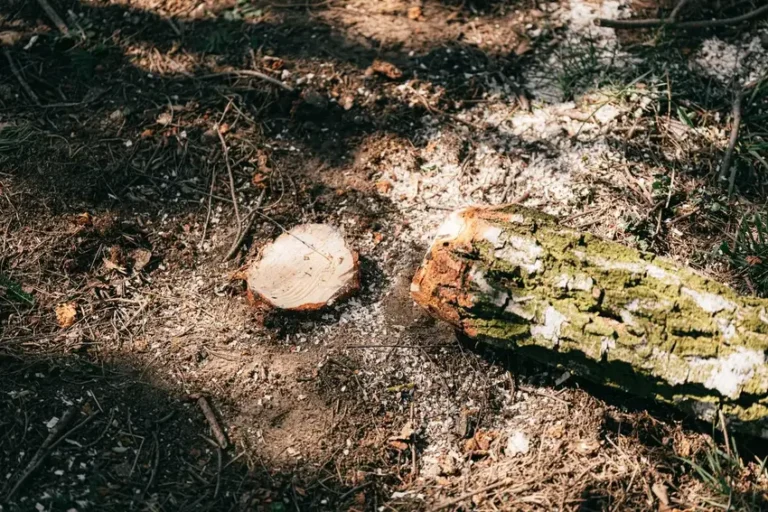
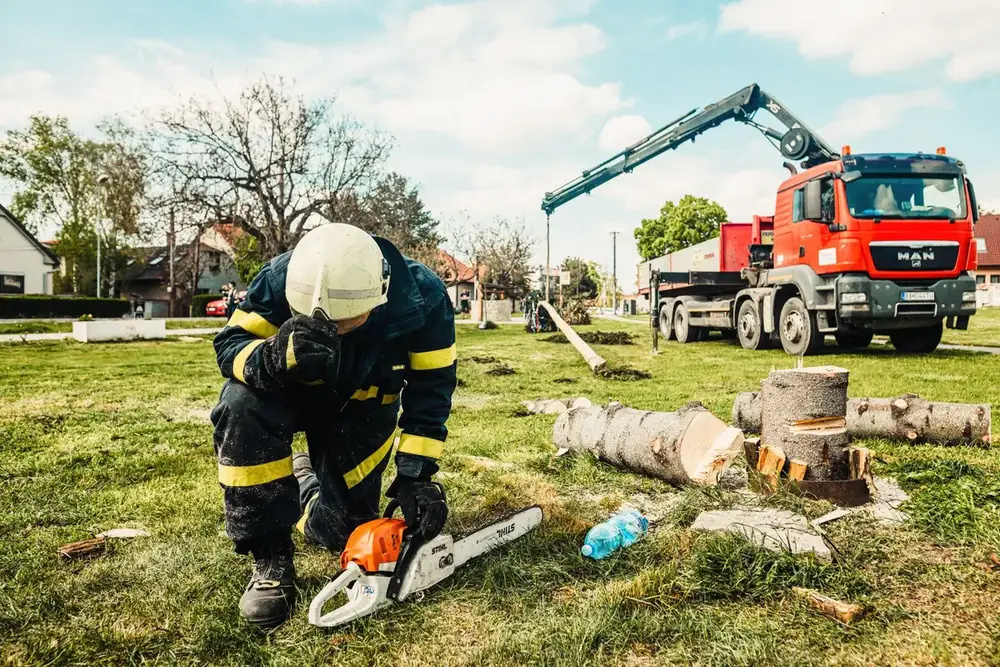
Quick answer: Hazard Is a Ratio, Not a Condition — Removing a tree is planning before it is cutting: where the wood lands, what is under it, whether a rope or a crane takes the weight, and what is left when the crew drives away. A removal is finished when the drop zone is clear and the stump is dealt with, not when the trunk hits the ground.
Field note. What we see here is that access decides the price more than height does: a pine over a fence on a slope with no driveway costs more to take down safely than a taller tree with a clear drop, and the plan is where that shows up.
On the other hand, removal is not the only safe answer — a tree with one failing limb, or a lean that can be corrected by reduction, is often better kept and managed than gone.
People ask whether a tree is dangerous the way they ask whether a bridge is safe: as though there were a stamp somewhere, and the job is to find it. Arborists do not answer that way, because a tree is not a structure with a rating. It is a living thing that adds weight every year, loses strength in ways you cannot see, and stands over something that changes without asking it.
What an assessment actually produces is a ratio. On one side is the load the tree carries and everything that could fall. On the other is the wood holding it up, and the ground holding the wood. Hazard lives in the gap between those two numbers, and the gap widens or narrows with weather, with soil moisture, with a driveway cut two summers ago, and with what somebody built underneath it.
The three numbers, in the order they fail
The first number is the target. Not the tree — the thing it would hit. A hundred-year cypress leaning over an empty meadow is a different object from the same cypress leaning over a bedroom, and the difference is not the tree at all.
This is why an arborist walks the property before looking up: the occupancy under a canopy decides how much of the rest of the assessment matters. A limb that would be a nuisance over a woodpile is a life-safety issue over a bed.
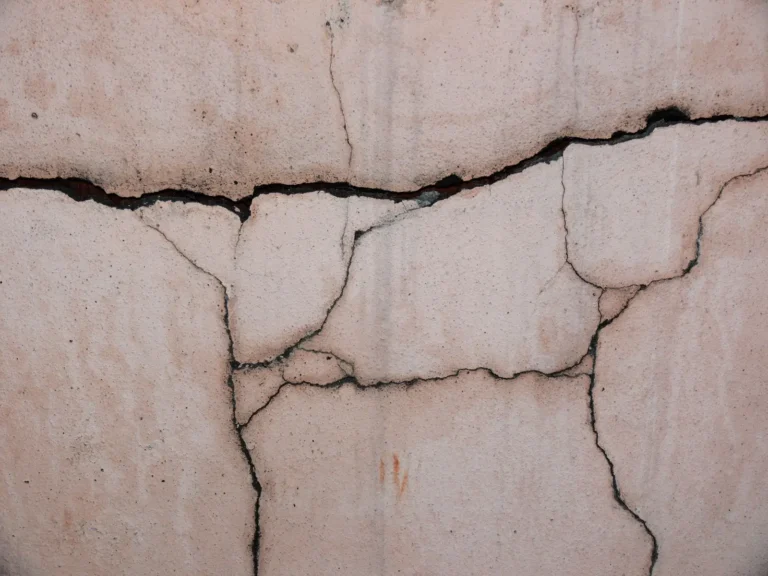
The second number is the defect. Cavities, seams, included bark, old pruning wounds that never closed, a root plate lifting on one side. Defects are graded by how much sound wood remains in the section that carries the load, and by whether the defect is in compression or tension wood.
A hollow at the base of a tree can be far less serious than a crack two-thirds of the way up, because the base is thick and the crown is not.

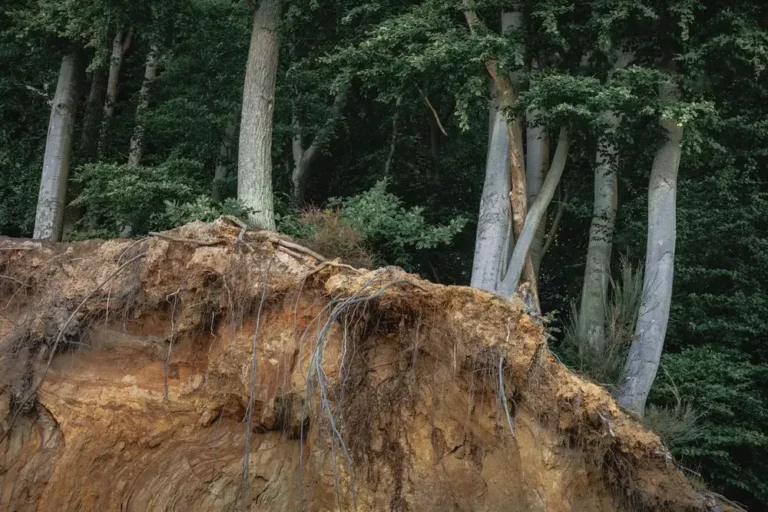
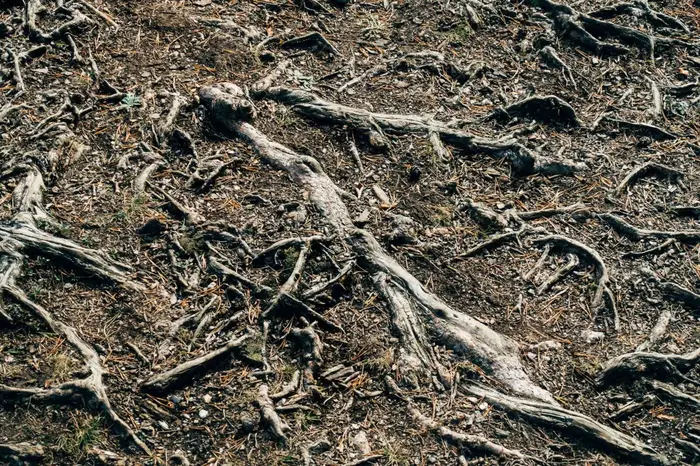
The third number is the one homeowners forget: the ground. Cambria sits on marine terrace, bluff edge and clay, and a root plate holds by spreading into soil that stays put. When that soil is saturated — the third day of a December storm, say — the plate can rotate in a way it never does in July.
Two trees with identical crowns and identical cavities are not equally hazardous if one is on a flat lot and the other is eight feet from a bluff edge that has been losing a foot a decade.
Why 'it has always been fine' is not evidence
The most common sentence in this work is that the tree has stood there for forty years. It has. That tells you the tree has survived forty years of ordinary weather, which is a real and useful fact. It does not tell you the tree will survive the next storm, because the load side of the ratio is not constant. Every year adds wood, and wood is weight at the far end of a lever.
Every year the crown gets taller and catches more wind. Every year a little more of the interior decays, at a rate that depends on species and on whether the wound is wet.
A tree can spend decades in a slow, stable balance and then cross a threshold in one season — a root cut for a new septic line, a grade change that buries the flare, a summer of drought followed by the first big rain. The tree did not change its nature. The ratio did.
What an assessment actually looks at
A Level 2 assessment — the walk-around a crew does on site, as opposed to the climbing inspection reserved for a specific suspect — reads the tree from the ground in a fixed order. Root flare and soil: is the flare visible, is there a fungal conk, has the ground heaved on the tension side. Trunk: seams, bulges, bark that has split and callused over, sap runs, frass.
Scaffold limbs: unions, included bark, old stubs, the angle where a limb meets the stem. Crown: dead wood, a thinning top, a leader that has died and left a competing one, a lean that has changed since the last photo.
Then the assessor writes down what would be hit, and how often somebody is there. A tree over a roof is one calculation; a tree over the only driveway to a house is another; a tree over a trail used by two people a week is a third. That is why the same defect gets a different recommendation on two properties, and why a neighbour’s confident opinion about your tree is worth very little.
The four answers, and the one that is not on the list
An assessment ends in one of four places. Remove it, if the target is high and the defect is in the load path. Reduce it, if the load can be taken off the far end of the lever faster than the defect progresses — crown reduction done properly, not topping. Support it, if the defect is at a union and cabling can share the load with sound wood.
Monitor it, if the ratio is acceptable today and the defect is measurable so a later visit can compare against a baseline rather than a memory.
The answer that is not on the list is do nothing because it looks healthy. Looking healthy is a statement about the outside of a tree. The assessment is about the inside and the ground, and neither is visible from the road.
If you want a second set of eyes on a specific tree, the risk assessment service is the formal version of this walk, and the inspection service covers the climbing check when the ground view leaves a question open. Most properties never need the second one. Every property with a big tree over a roof benefits from the first.