Roots, Clay Pipe, and the Sewer Line Under the Lawn
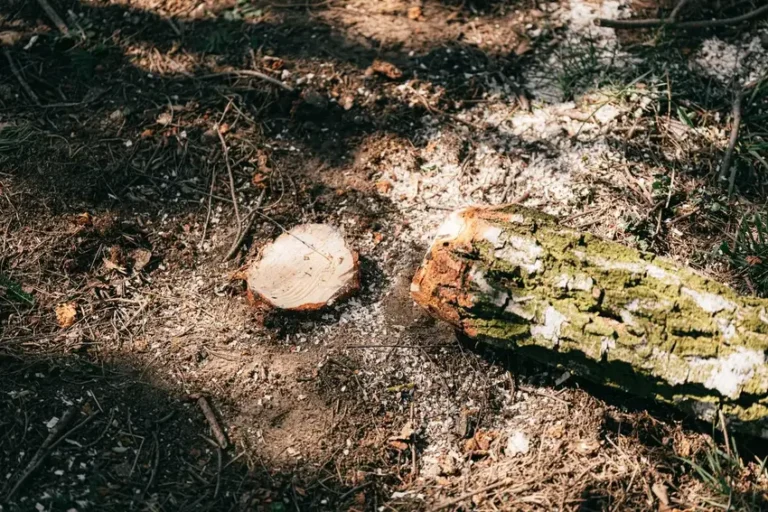
Quick answer: Roots, Clay Pipe, and the Sewer Line Under the Lawn — A stump is the part of the problem that is still in the ground: it holds the roots that lift pavement, keeps a species alive if it re-sprouts, and occupies the spot where the next planting goes.
Grinding removes it below the surface so the ground can be worked again, and the roots that matter are the ones under the driveway rather than the ones beside the trunk.
Field note. On this coast the stump is rarely the end of the job: Monterey pine and eucalyptus both keep enough energy in the roots to push new growth, so we are looking at the species before we quote the grind rather than after.
On the other hand, a stump left in a garden bed is sometimes the better answer — it decays, feeds the soil and costs nothing — so grinding is a choice, not a rule.
Every spring someone on this coast has a slow drain, a plumber with a camera, and a diagnosis that ends with the words tree roots. The next sentence is usually that the tree has to come out. Sometimes that is true. More often the camera is showing the consequence of a forty-year-old pipe, and the tree is being blamed for being nearby.
Roots do not seek water. They exploit openings.
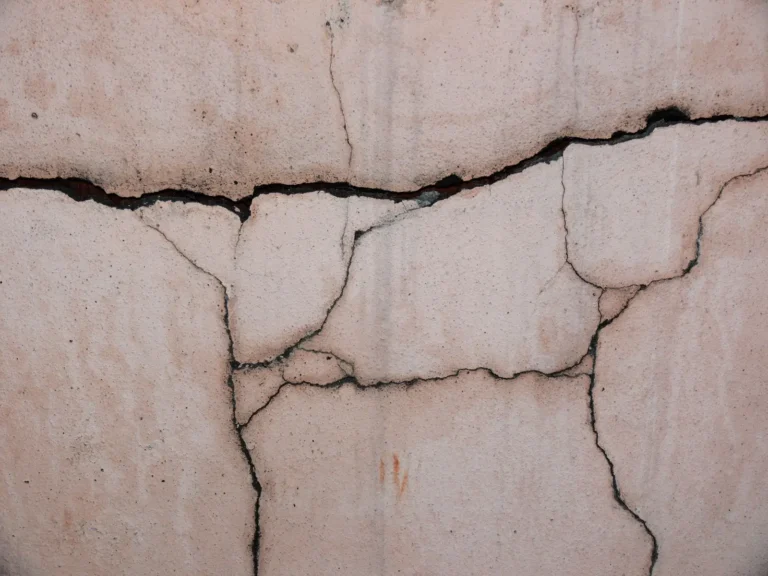
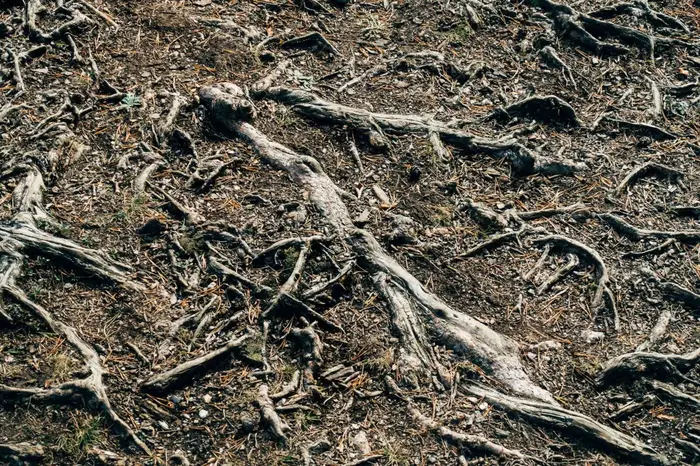
The picture most people carry is a root sniffing through soil like a bloodhound. It is not accurate. Roots grow where there is oxygen, moisture and space, and they grow by thickening whatever they already occupy. A clay sewer tile laid in the 1960s has joints that separate as the ground moves, and hairline cracks that open in a dry summer.
A root tip a fraction of a millimetre wide enters the crack, and then the root thickens. The pipe does not fail because the root is strong. It fails because the root is patient.
Which means the useful question is not whether a tree is near the line. It is whether the line is already compromised.
How close is too close, in real terms
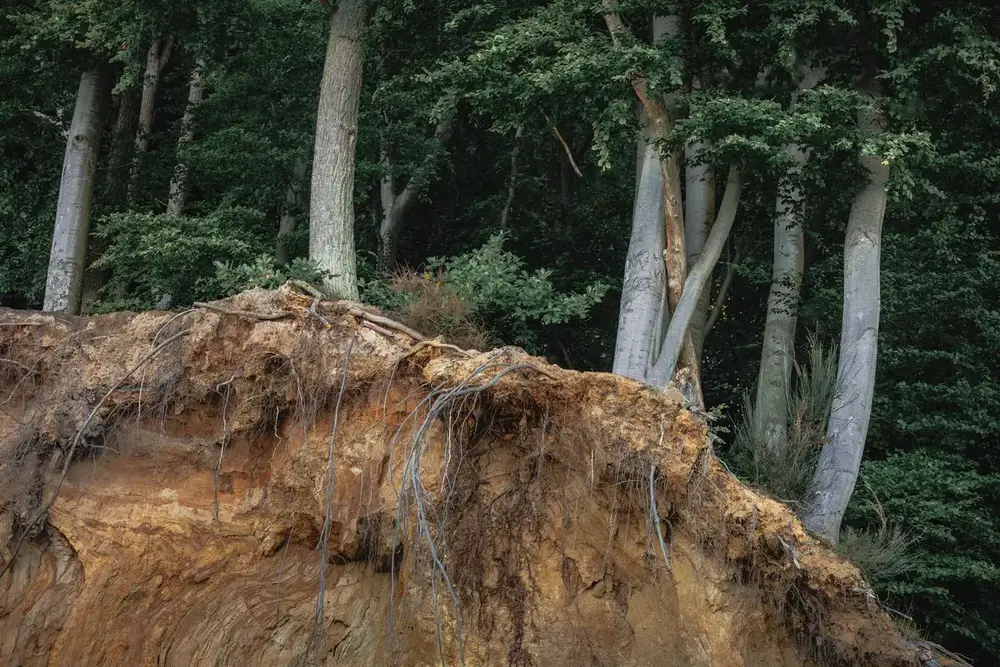
There is no single distance, because root spread is a species and soil fact, not a rule of thumb. Coast live oak and Monterey pine both root widely and shallowly in this sandy loam, and the roots that matter for a sewer are usually in the top eighteen inches, within the topsoil. A useful working figure is that the critical root zone extends about one foot of radius for every inch of trunk diameter.
A twenty-inch oak therefore has a root zone roughly twenty feet in radius. A sewer line inside that circle is in the zone, not automatically in the roots.
What actually matters is whether the line is old clay, whether it has already been rootered, and whether the camera shows root intrusion at a joint or a collapse in the pipe itself.
The repairs, ranked by what they cost the tree
Camera first. A hundred and fifty dollars of inspection tells you whether you have a root problem, a belly in the line, or a broken section. Everything else is guesswork without it.
Rooter, then monitor. Cutting the roots out of the line buys months, sometimes years. It also stimulates regrowth, so the same call comes back. It is a maintenance strategy, not a repair.
Trenchless lining. A cured-in-place liner seals the joints from the inside. It is the repair that removes the habitat without touching the tree, and on a line within a root zone it is usually the best answer.
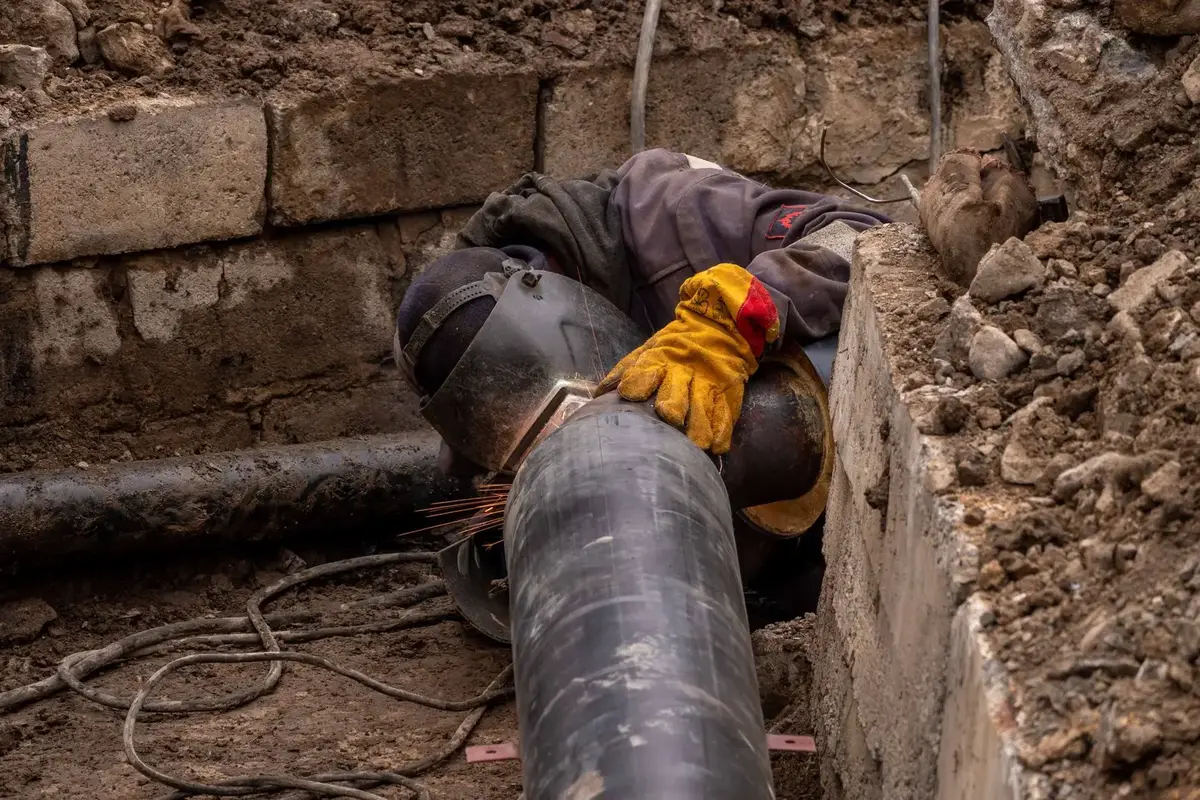
Open trench and replace. Effective, and the most damaging to the tree if it runs inside the critical root zone. If it must happen, cut roots cleanly rather than tearing them, keep the trench as far from the trunk as the grade allows, and irrigate the tree for two summers afterward.
The myth worth dropping
Copper sulfate poured down a drain to kill roots is illegal in much of California, damages the bacteria your septic or treatment system depends on, and does nothing to the root outside the pipe. Root barriers work, but only when installed before the tree grows into the line, and only at the right depth: a barrier that stops at eighteen inches simply redirects the roots underneath it.
On this coast, with sandy soil and a high winter water table, most barriers need to go deeper than the catalogue suggests.
The practical answer is dull and reliable: keep the line inspected, line it before it fails, and do not remove a healthy tree for a pipe that a camera has not yet convicted.
And if the tree does have to come out, do it before the trench, not after. A stump and a root plate in the way of an excavation is a second invoice.