Sudden Death Is Rarely Sudden
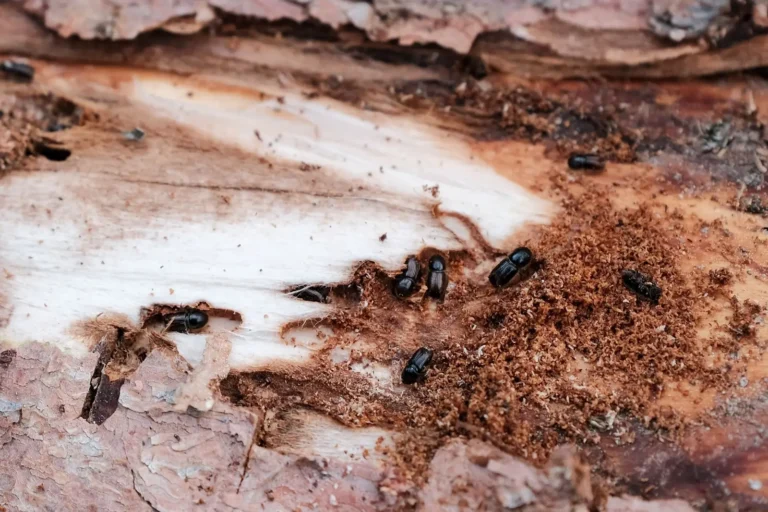
Quick answer: Sudden Death Is Rarely Sudden — Most tree trouble on the Central Coast is identified before it is treated: a borer, a canker and a drought-stressed root system can look the same from the ground, and each has a different answer. Diagnosis is the first cut — host, sign and season — and the least-toxic control that fits comes after it.
Field note. What we see on this coast is that the tree under fog is often the healthier one and the tree on a hot exposed edge is the one that gets hit — stress is the invitation, and the coast hides it well.
On the other hand, treatment is not always the kindest answer: for a hazard tree with internal decay, careful removal protects the neighbours, and replanting does more for the site than a season of injections.
A tree does not die suddenly. A tree can fail suddenly — a limb, a root plate, a trunk — but a whole tree that leafs out in April and is brown in August was in trouble long before anyone looked. The collapse is the last chapter of a story that started two or three seasons earlier.
The water column is the first thing to fail
A tree moves water from the soil to the leaves through the outer rings of wood, and it does it under tension. Anything that interrupts that column — a severed root, a compacted root zone, a fungus in the sapwood — shows up first as a crown that cannot keep up. On a hot afternoon the leaves wilt and recover overnight; a season later they do not recover.
That is why the diagnosis is usually about the roots and the soil, not the leaves. The crown is the last place the problem appears and the first place it is noticed.
The four causes that look identical from the driveway
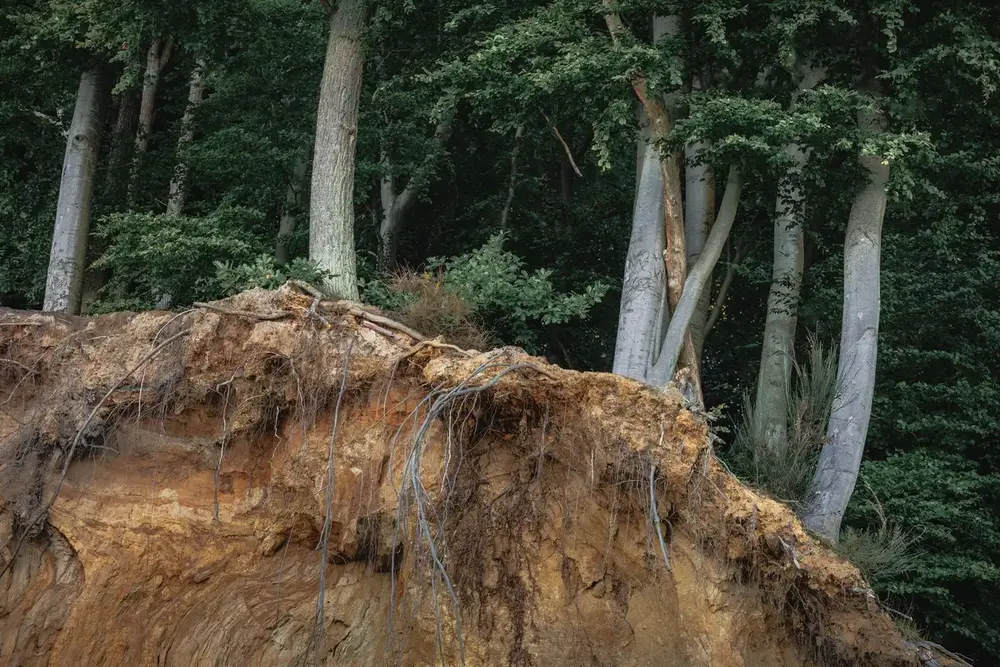
Root loss from excavation. A new drive, a foundation, a trench for a utility. The tree loses a third of its root system and dies two summers later, at which point the trench is a memory.
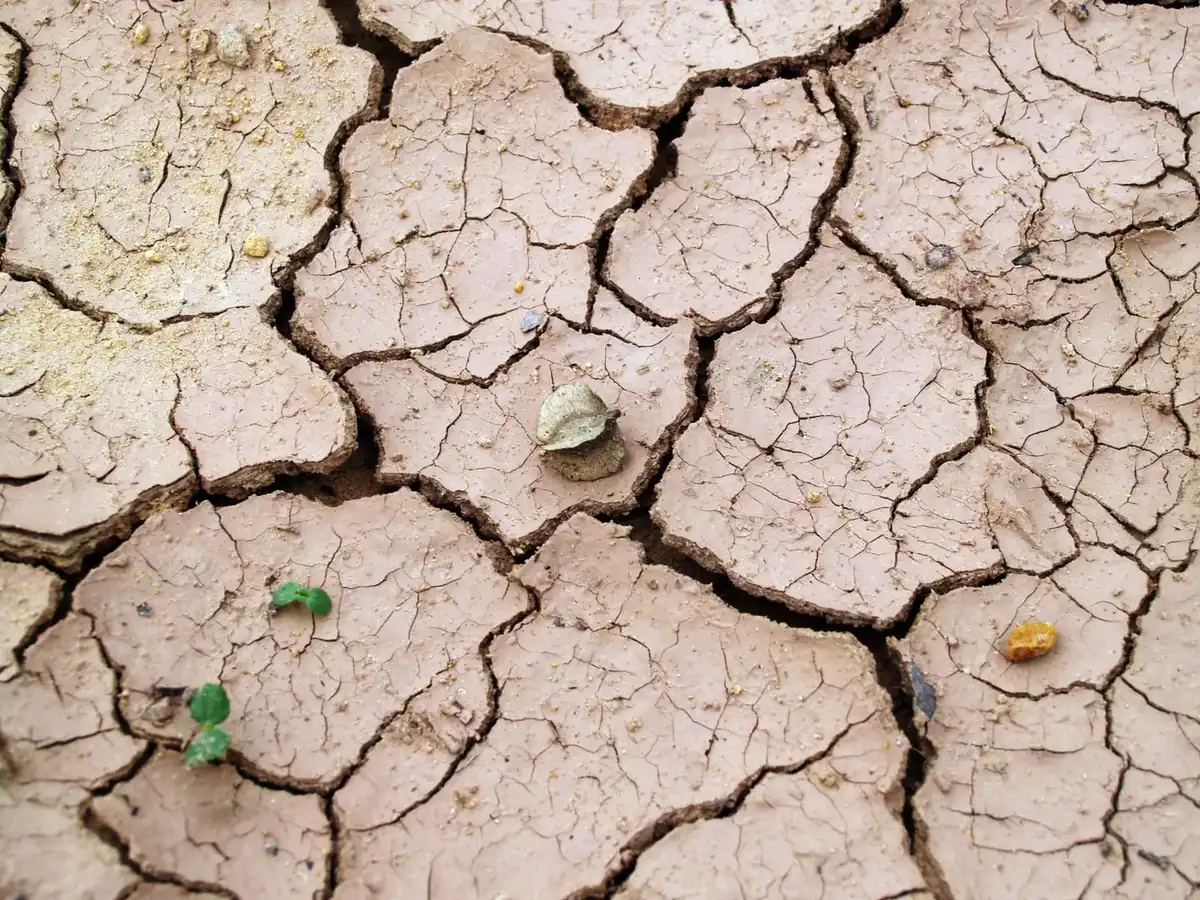
Drought, compounded. One dry year is survivable. Three in a row, with the tree carrying a full crown, is not — and the death often comes in the first wet winter afterwards, when the weakened roots meet saturated soil and rot.
A change of grade. Fill over a root zone suffocates roots; cutting into a slope removes them. Both are permanent, and both are routinely done by contractors who see a tree as an obstacle.
A pathogen arriving at a stressed tree. Armillaria, Phytophthora, a canker. These are opportunists. They are the last cause and the least useful thing to blame.
What the pattern tells you
Which side of the tree died first is a clue. A crown that dies from one side suggests a root or a vascular problem on that side — often a cut root or a canker. A crown that dies from the top down suggests a root system failing generally. A tree that leafs out late and drops early, every year, is a tree with a chronic problem that will not recover on its own.
A tree that dies in a single season, with the leaves still attached, is usually a root or vascular catastrophe: saturated soil, a severed root plate, or a pathogen that reached the collar.
What can still be done
Less than people hope, more than nothing. If the cause was water, deep irrigation through the dry months can keep a stressed tree alive while it rebuilds fine roots — but it takes two years and the tree will look poor throughout. If the cause was a grade change or root loss, the honest answer is usually removal, because the damage is structural and permanent.
What never helps: fertiliser on a dying tree. Nitrogen pushes new growth the roots cannot support, and it makes the decline faster and more expensive to watch.
The tree that dies in the wrong season
Timing narrows the cause. A tree that goes brown in the middle of summer, with the leaves still on, is usually a water-column failure: a severed root, a collapsed root plate, or a pathogen at the collar. A tree that leafs out late and browns early, year after year, is chronic. And a tree that dies in the first wet winter after a dry summer is a tree whose roots were already compromised and then drowned.
That last pattern is the one that surprises people, because the winter was wet and wet is supposed to help. It does not help a root system that has spent three summers shrinking.
The practical value of all this is timing. A tree that is declining can be planned for — a replacement chosen, a removal scheduled, the cost absorbed. A tree that fails is an emergency with a premium attached. The difference between the two is a walk in spring and a photograph of the crown.
It is also worth saying what cannot be saved. A tree with a third of its root plate severed, or a collar that is soft under the bark, is not a candidate for treatment. Spending on it delays the removal and raises the chance that it fails instead of being taken down. A scheduled removal is a cost; a failure is a claim.