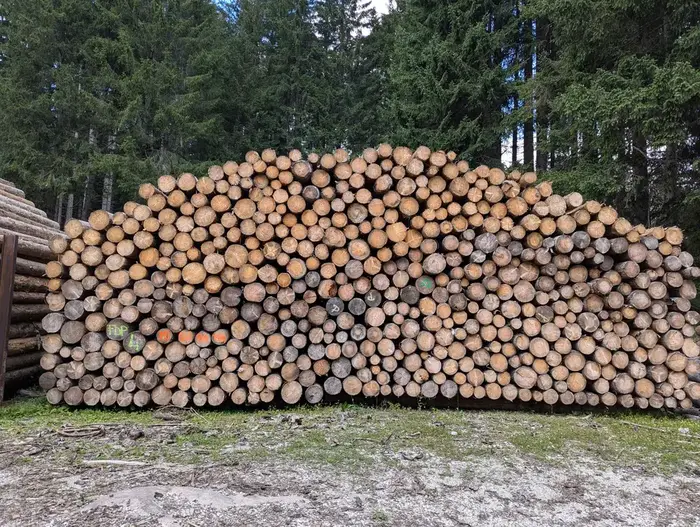
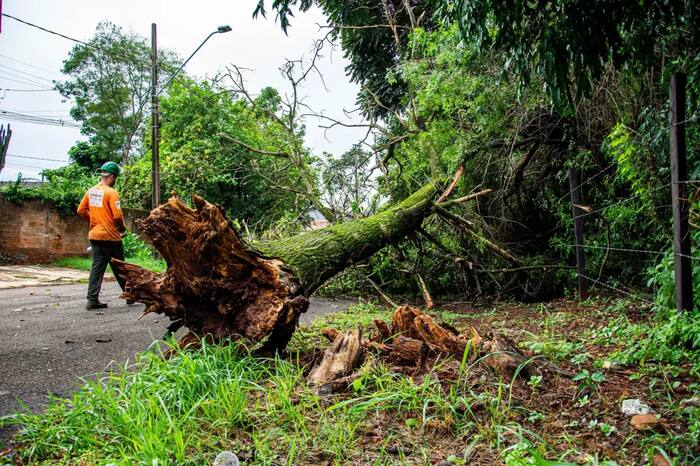
What the Truck Weighs: Protecting the Ground During a Removal
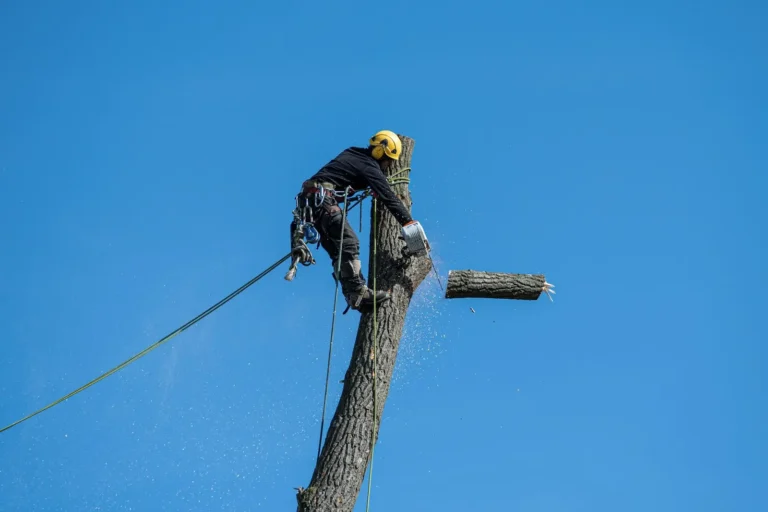
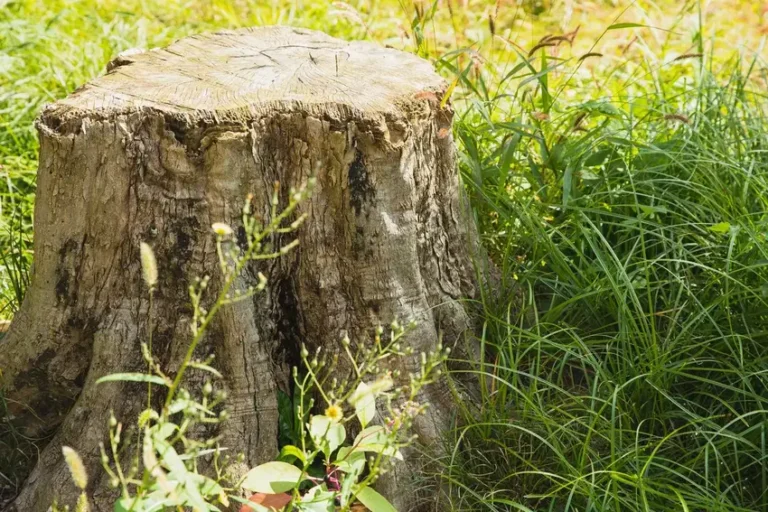
Quick answer: Protecting the Ground During a Tree Removal — Removing a tree is planning before it is cutting: where the wood lands, what is under it, whether a rope or a crane takes the weight, and what is left when the crew drives away. A removal is finished when the drop zone is clear and the stump is dealt with, not when the trunk hits the ground.
Field note. What we see here is that access decides the price more than height does: a pine over a fence on a slope with no driveway costs more to take down safely than a taller tree with a clear drop, and the plan is where that shows up.
On the other hand, removal is not the only safe answer — a tree with one failing limb, or a lean that can be corrected by reduction, is often better kept and managed than gone.
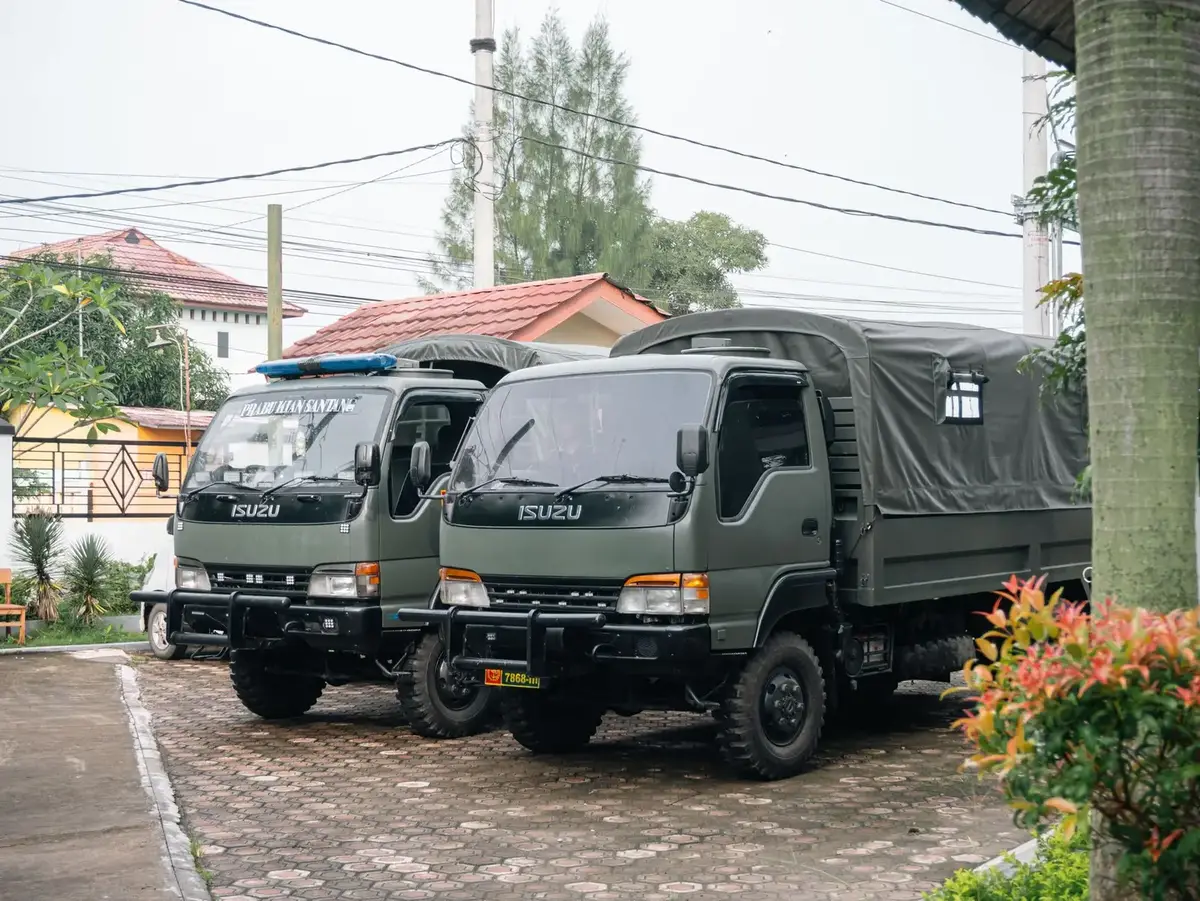
Nobody calls a tree company expecting a new driveway. But a loaded chip truck with a full box can weigh fifteen to twenty tons, and that load goes through four tires onto whatever surface you have. Turf compacts, asphalt cracks, pavers shift, and the shallow irrigation line you forgot about becomes a fountain. None of it is malicious. All of it is preventable with a plan made before the truck arrives.
The numbers behind the ruts
A passenger car puts roughly half a ton on each tire. A loaded chip truck can put four or five tons on a rear axle, and the contact patch does not grow much, so the pressure on the soil multiplies. Wet soil is worse: the same load that would merely flatten dry turf will push a foot of mud out from under the tire in February.
That is why the season matters. A removal scheduled in the dry weeks of September can use a route that would destroy the same lawn in January.
The three protections that actually work
Mats. Plywood is the cheap version; interlocking composite track mats are the version that survives a twenty-ton truck. They spread the load and they leave the turf underneath intact. Ask whether mats are included in the price, and where they will be placed. A crew that owns mats will happily use them; a crew that does not will promise to be careful, which is not a method.
A route plan. Walk the property with the estimator and agree on the path in and out, the turning point, and where the chips will be dropped. Mark sprinkler heads and shallow lines with flags. The best route is usually not the shortest one.
A pre-job record. Photograph the driveway, the lawn, the fence and the gate before anything arrives. Two minutes of photographs settles every argument about what was already cracked.
The surfaces, ranked by how much they care
Established lawn is the most forgiving and the most visibly damaged. Compaction shows as a strip of yellow that recovers slowly; ruts in wet soil may need topsoil and reseeding.
Asphalt is fine when it is cool and vulnerable when it is hot. A heavy truck turning on a summer afternoon can leave a permanent depression at the wheel path, and a driveway that was already cracked will crack wider.
Pavers shift. They can be relaid, but the joint sand will need replacing and the edge restraint may need resetting.
Concrete is strong in compression and weak in tension. A slab with a void underneath — which is what a settled driveway often is — will crack under a point load it was never designed for.
The underground problem
Septic lines, irrigation, gas service, fibre, and shallow electrical runs are all in the top two feet, and a truck does not need to dig to damage them. It only needs to press. If you know where the septic tank and leach field are, tell the crew and keep the truck off them. If you do not know, the county may have the as-built, and the previous owner may have left a diagram in the closing documents.
The one that catches people is the irrigation main. It is usually a half-inch line at eight inches deep, and it fails silently under a tire, then shows up as a sinkhole three weeks later.
Ask the question before you sign: what do you use for mats, and who pays if the lawn is rutted? A written answer is worth more than a promise. And if the answer is that they will be careful, book the job for a dry week and put the mats down yourself.