The Tree That Dies Three Years After the Dig
Quick answer: The Tree That Dies Three Years After the Dig — A stump is the part of the problem that is still in the ground: it holds the roots that lift pavement, keeps a species alive if it re-sprouts, and occupies the spot where the next planting goes. Grinding removes it below the surface so the ground can be worked again, and the roots that matter are the ones under the driveway rather than the ones beside the trunk.
Field note. On this coast the stump is rarely the end of the job: Monterey pine and eucalyptus both keep enough energy in the roots to push new growth, so we are looking at the species before we quote the grind rather than after.
On the other hand, a stump left in a garden bed is sometimes the better answer — it decays, feeds the soil and costs nothing — so grinding is a choice, not a rule.
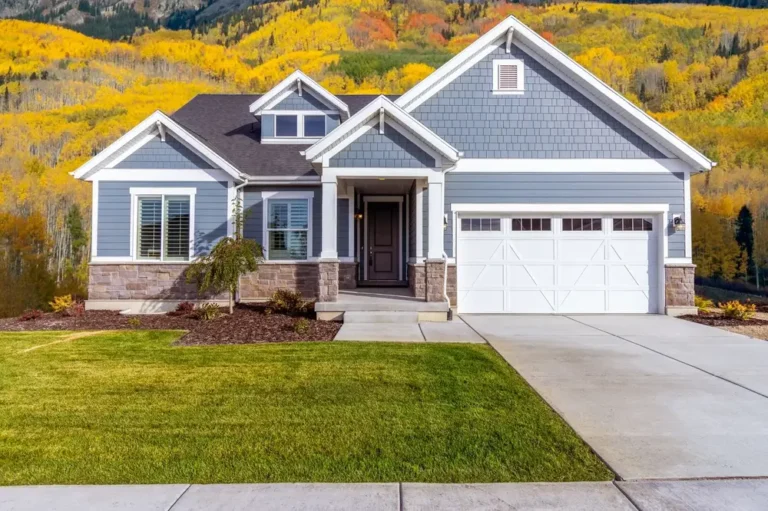
The call usually comes in July, from a homeowner who cannot understand it. The oak was fine when the patio went in. It was fine the summer after. Now the crown is thinning from the tips, the leaves are small, and one large limb died this spring. The patio is three years old, and nobody has connected it to the tree.
They are connected. Roots are the part of the tree that cannot be seen, which is why they are the part that gets damaged first.
What actually happens underground
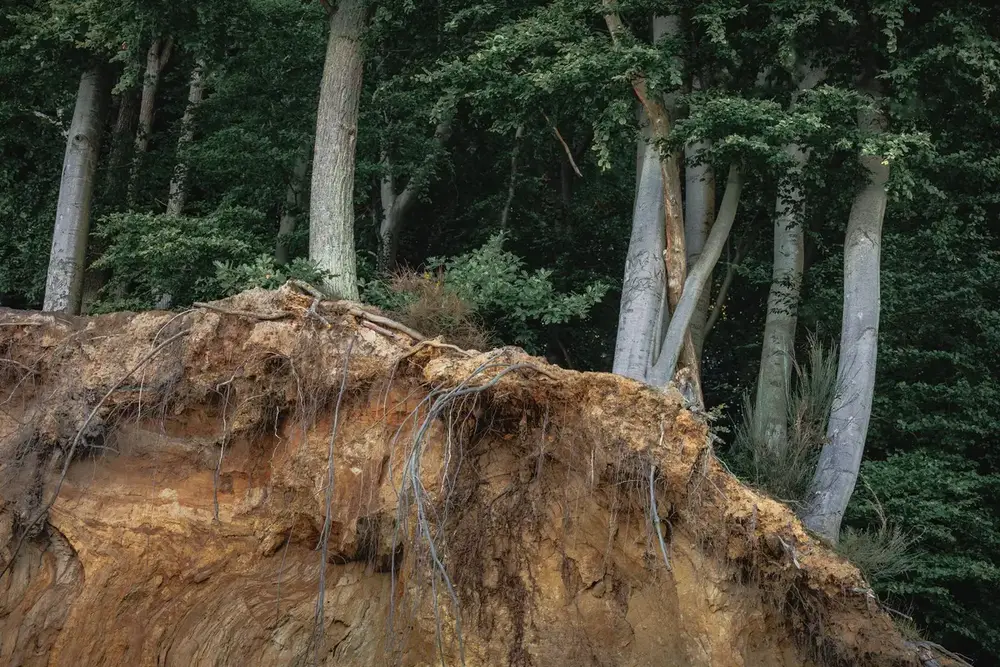
A tree’s fine roots — the ones that absorb water and minerals — live in the top foot or so of soil, and they extend well beyond the canopy. They are not a mirror of the branches. On a coast live oak they may reach two or three times the canopy radius, and they interlace with the roots of every other tree on the parcel.
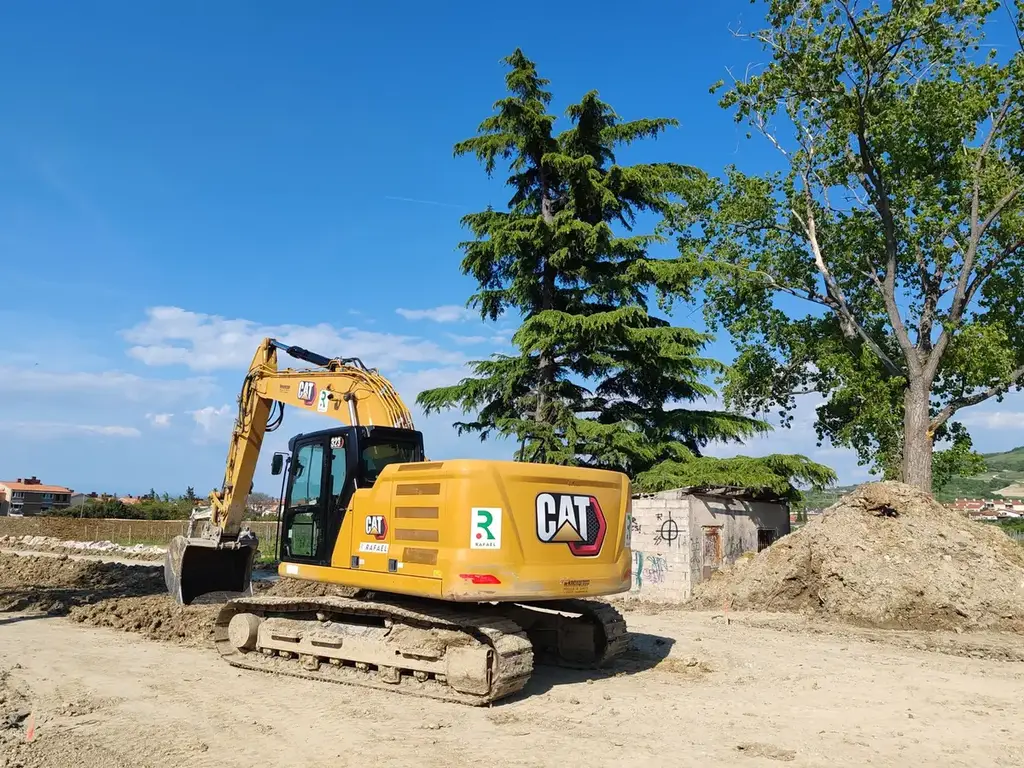
Four things destroy them. Excavation cuts them outright. Grade change buries them under fill, which cuts off oxygen. Compaction from equipment squeezes the air out of the pore space. Paving does both: it compacts and it seals. All four are permanent, and all four are usually done in a single afternoon.
The number that predicts the outcome
The working rule is one foot of critical-root-zone radius for every inch of trunk diameter, measured at breast height. A twenty-inch oak has a critical zone roughly forty feet across. Inside that circle, every trench, every pile of spoil, every pass of a tracked machine removes some fraction of the absorbing root system.
Lose a tenth and the tree compensates. Lose a third and it will show stress within two seasons. Lose half and it will usually die, though the death may take five years and look like a disease. That is the cruel part: by the time the crown is visibly thin, the root loss is old news and the tree has been running on reserves.
Why the decline looks like a disease
A tree with a damaged root system closes its stomata earlier in the day, so it photosynthesizes less. It has less carbon to spend on defence, so the fungi that were already living quietly in the heartwood get the upper hand. It cannot take up water fast enough in a dry September, so the tips of the branches die first. Armillaria and Phytophthora are usually described as the cause of death. Often they are the beneficiaries.
This is why a fungicide is the wrong first response to a declining oak near new construction. The pathogen is not the problem. The soil volume is.
What protects a tree during construction
Fence the critical root zone before the first machine arrives. Not rope and stakes: chain-link or welded panels on posts, with a sign, because a rope is an invitation. Route the driveway outside the circle. Do not store materials, wash out concrete, or park under the canopy.
If the grade must change, use a retaining wall at the edge rather than fill over the roots, and if a trench is unavoidable, tunnel under the root zone rather than cutting through it.
Afterward, the repair is slow and unglamorous: remove the fill, aerate, mulch, and water deeply through the next two dry seasons. A tree that keeps its leaves through one more summer has bought itself another year. That is the whole treatment.
One last thing, because it is the mistake I see most often: cutting a root flush with the trunk does not help. It creates a wound the tree cannot seal and a lever for decay to enter. Roots that must be cut should be cut cleanly, well away from the trunk, and the tree should be watched for three years afterward. There is no version of this where the tree does not notice.