What Ten Years of Real Tree Care Does to a Parcel
Quick answer: What Ten Years of Real Tree Care Does to a Parcel — Trees on this coast live with fog, salt, wind and thin soil, and the work that keeps them healthy is decided by those conditions rather than by a calendar written inland. Structure, clearance and the root zone are what a tree here needs looked at, and small work done early is what keeps a tree out of the emergency list.
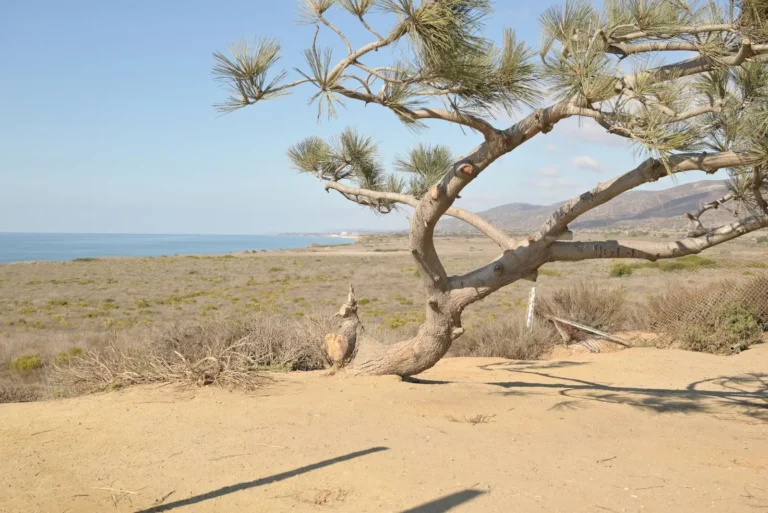
Field note. What we see on this coast is that the trees people worry about are usually not the ones in trouble: the pine with a clean crown and a lean that predates the house is often sounder than the tidy tree that has been quietly drowning in its own root zone.
On the other hand, there is no schedule that suits every tree — the same species on two sides of one street can need opposite care, which is why we look before we recommend.
I am asked to justify tree care against a quote, and the honest answer is uncomfortable: in year one, almost nothing you can see changes. This is why the work gets deferred, and why deferral is the expensive choice. Care compounds. So does neglect.
Here is what a decade of it actually did to three parcels I have watched, described in terms that are not marketing.
Canopy cover becomes a number
Canopy cover is the fraction of ground shaded at midday, and it is measurable from aerial imagery. On the parcel that kept up its pruning and its mulch, cover rose from roughly a fifth to nearly a third over eleven years. On the parcel next door, which removed three trees and pruned nothing, it fell.
Cover is not decoration: it is the physical mechanism behind summer cooling, soil moisture retention, and a great deal of what people describe vaguely as ‘feeling established’.
- +11 yrsTime for canopy cover to shift measurably on a coastal parcel
- ~1/3Cover reached on the maintained parcel, from about 1/5
- 0Trees lost to wind on the maintained parcel in that decade
Soil stops being an afterthought
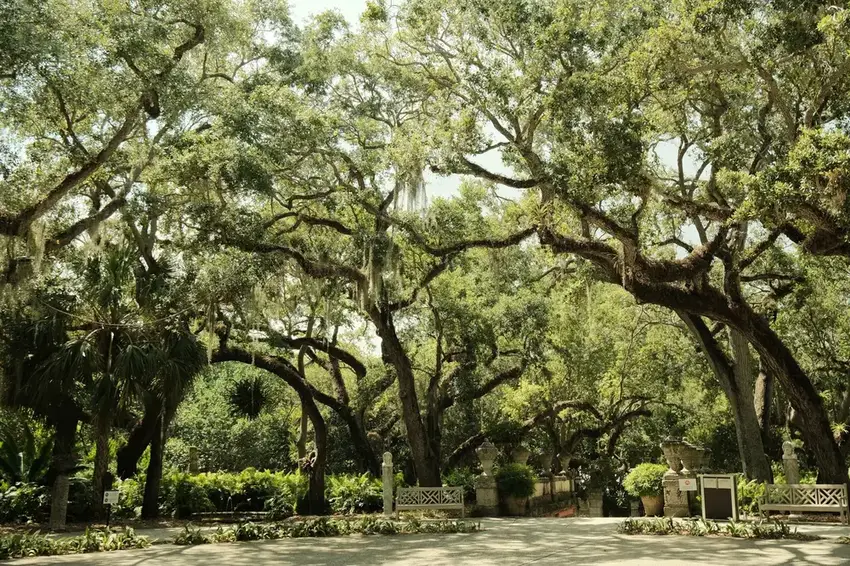
Mulch is the least glamorous line item in any care program and the one that does the most work. A maintained ring of coarse organic mulch, kept off the trunk, moderates soil temperature, holds moisture through a dry September, and slowly feeds the fungal network that a tree depends on to move water and minerals. It also suppresses the grass competition that a young tree loses to.
After ten years, the soil under a mulched tree is visibly different from the soil under a mown one: darker, softer, full of structure. That is not a metaphor for health. It is the medium the roots are living in.
Wind resilience is built, not bought
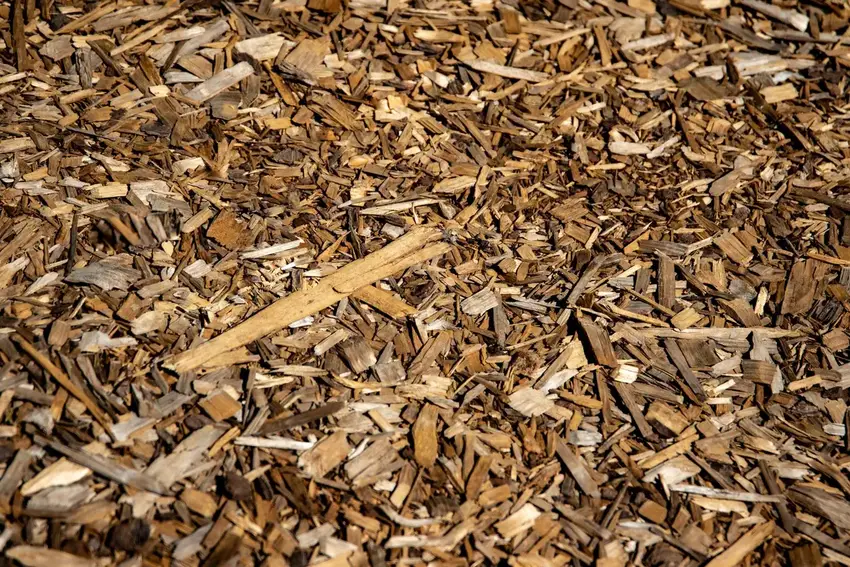
A tree that has been structurally pruned for a decade fails differently in a storm. It has been asked, repeatedly and gently, to grow reaction wood where load actually arrives: at the unions, along the subordinate leader, at the crown edge. A tree that has only ever been topped or sheared has none of that and fails at the seam.
On the coast the test is every winter. The maintained parcel kept all its trees through the same storms that took a mature pine out of the parcel next door.
The value question, answered honestly
Mature, healthy trees are consistently associated with higher property values, and the effect is strongest where canopy is scarce — which describes most of coastal San Luis Obispo County. But I would not sell care as a value play, because the arithmetic is not the reason people are glad they did it.
The reason is that a cared-for parcel stops generating emergencies. The dead limb is found in a scheduled inspection instead of on a roof. The failing union is subordinated in a dry August instead of discovered in a January storm. Over a decade that is a different relationship with the land — and the money saved on emergency work is real, even if it is the least interesting thing about it.