When Grinding Is Not Enough: Pulling the Root Ball
Quick answer: When Grinding Is Not Enough: Pulling the Root Ball — A stump is the part of the problem that is still in the ground: it holds the roots that lift pavement, keeps a species alive if it re-sprouts, and occupies the spot where the next planting goes. Grinding removes it below the surface so the ground can be worked again, and the roots that matter are the ones under the driveway rather than the ones beside the trunk.
Field note. On this coast the stump is rarely the end of the job: Monterey pine and eucalyptus both keep enough energy in the roots to push new growth, so we are looking at the species before we quote the grind rather than after.
On the other hand, a stump left in a garden bed is sometimes the better answer — it decays, feeds the soil and costs nothing — so grinding is a choice, not a rule.
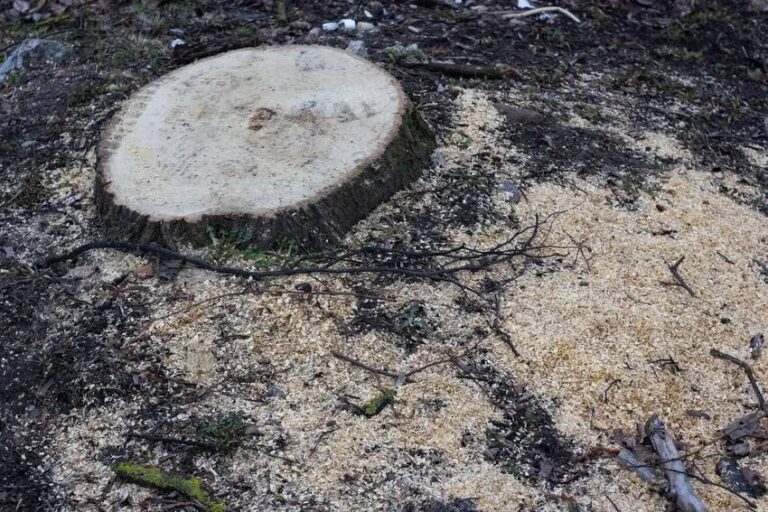
The machine is called a stump grinder and that name is precise. It grinds the stump — the above-ground column and the top of the root plate — down to a chosen depth, usually six to twelve inches below grade. What it leaves is the rest of the root system, undisturbed, exactly where it grew. In most gardens that is the correct and complete answer, and it costs a fraction of what full root removal costs.
But there is a category of job where grinding is the wrong tool, and the giveaway is always the same: something is going to be built, planted or paved where the roots are. A grinder cannot help with that, because the obstruction is not the stump.
The four projects that need the roots out
A new structure with a footing. Concrete does not care about roots under a slab, but it cares a great deal about soil that will settle as they decay. A root under a footing is a void in waiting, and the void appears years later, when the wood has gone.
A driveway, patio or path. Same mechanism, faster: as the roots rot, the sub-base loses support and the surface cracks along the line of the old root. A grinder’s chips in the stump hole make this worse, not better, if they are left uncompacted.
A replacement tree in the same spot. This is the one homeowners most often get wrong. The new tree is planted into soil that already contains a decaying root system, often of the same species, and in the first years it competes with fungi that are actively working that wood. Replanting where a tree was removed needs the old roots reduced and the soil refreshed, not just a hole.
And a root that has lifted or cracked something already — a wall, a curb, a sewer line. Grinding the stump leaves that root exactly where it is, doing exactly what it was doing.
How roots actually come out
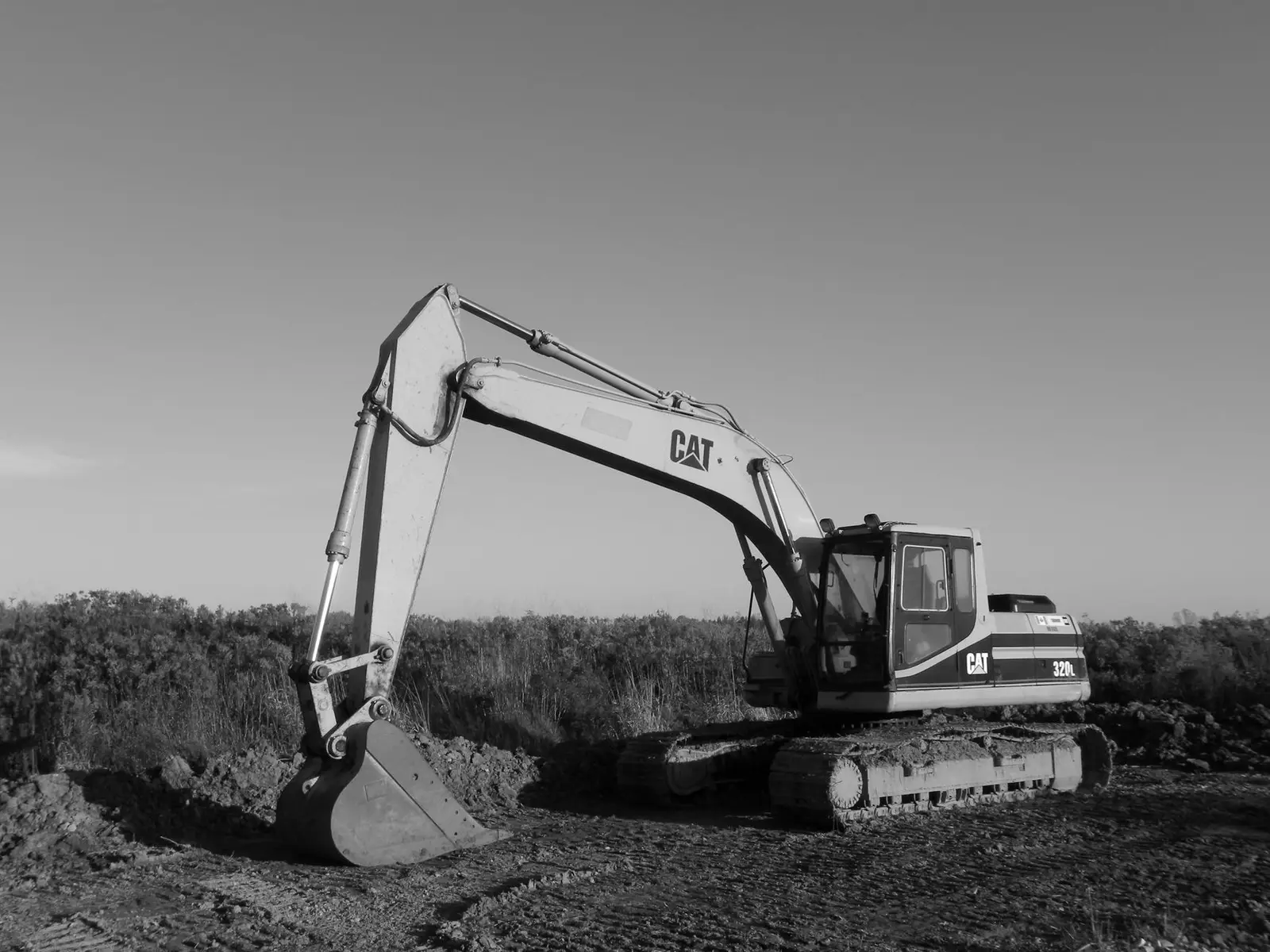
Not with a grinder. Roots are pulled with an excavator or a stump puller, or dug and cut by hand around services, and the method is chosen by what is buried nearby. The machine grabs the stump, lifts, and the root plate comes up as a mass with soil attached — a shallow, wide, heavy disc of wood and dirt that has to go somewhere.
On a tight lot that is half the job: getting the plate out is one problem, getting a tonne of it off the property is another.
The alternative is grinding deep and winching the exposed roots out one at a time, which is slower, gentler on the surrounding ground and produces less spoil. It is the right method where the stump is near a foundation, a retaining wall or a mature tree you are keeping.
What it costs you in ground
Root removal leaves a hole, and the hole is the honest measure of the job: a large tree’s plate can be eight to twelve feet across and two feet deep once the soil that came up with it is accounted for. That is a lot of volume, and it has to be backfilled with something that will not settle.
Clean soil, compacted in lifts, is the only acceptable answer under a hard surface; a garden bed can take a looser fill, but it will still sink for a season.
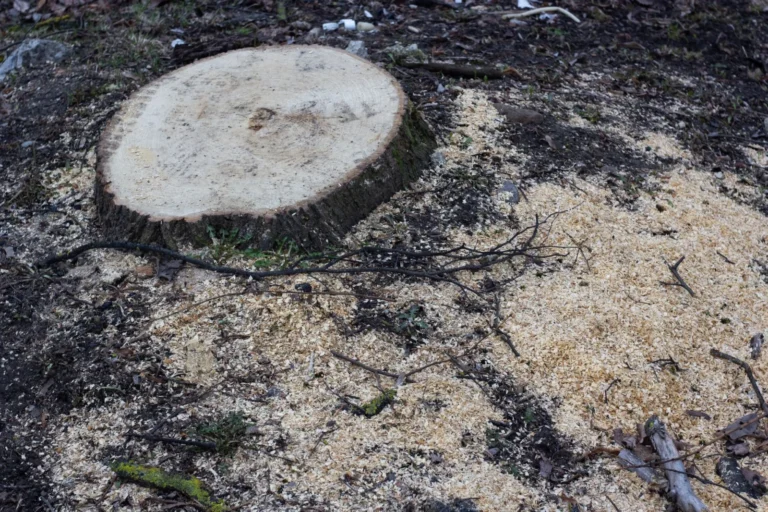
Grinding, by contrast, leaves a much smaller disturbance and a pile of chips. The chips are not soil and should not be treated as fill — they decompose, they sink, and they tie up nitrogen while they do it. Removing them and backfilling with soil is the version that does not leave a suspicious hollow in the lawn two winters later.
How to decide
If nothing is going to be built or planted in that spot in the next decade, grind it and be done. If something is, plan the root removal into the same job as the build, before the concrete goes down, because doing it afterwards costs several times as much and is sometimes impossible.
One caution that costs people money: a root system is also what is holding the soil. On a slope, removing a large plate can destabilise ground that the tree was quietly retaining, and the fix is engineering, not gardening. If the stump is on a bank above a structure, get advice before the machine arrives. The stump grinding service covers the standard case; the hazardous removal page covers the ones where the ground itself is part of the problem.