The Eucalyptus Stump That Comes Back
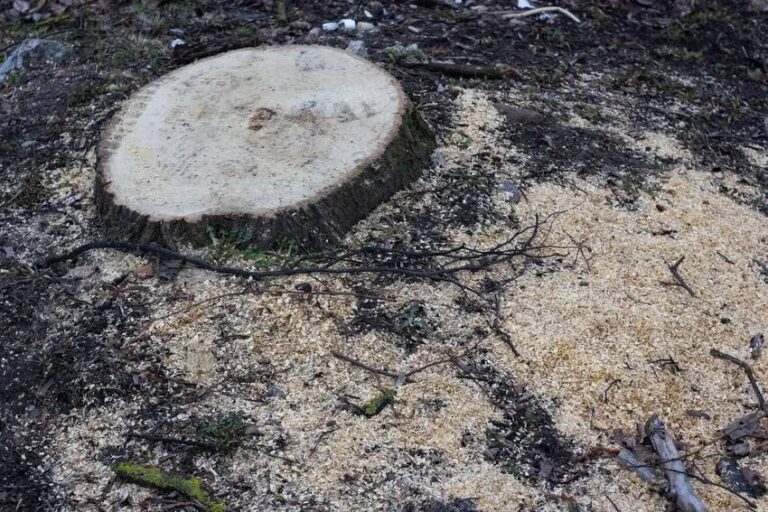
Quick answer: The Eucalyptus Stump That Comes Back — A stump is the part of the problem that is still in the ground: it holds the roots that lift pavement, keeps a species alive if it re-sprouts, and occupies the spot where the next planting goes. Grinding removes it below the surface so the ground can be worked again, and the roots that matter are the ones under the driveway rather than the ones beside the trunk.
Field note. On this coast the stump is rarely the end of the job: Monterey pine and eucalyptus both keep enough energy in the roots to push new growth, so we are looking at the species before we quote the grind rather than after.
On the other hand, a stump left in a garden bed is sometimes the better answer — it decays, feeds the soil and costs nothing — so grinding is a choice, not a rule.
Eucalyptus is a coppicing species. Cut the trunk and the root crown produces shoots within weeks, often a dozen of them, growing fast. That is not a defect in the tree; it is a survival strategy that evolved for fire, and it makes the ordinary cut-and-leave stump removal into a decision you will be revisiting for years.
Why the stump comes back
The root crown holds stored starch and dormant buds. When the trunk is removed, the root system is suddenly over-supplied with water and carbohydrate and under-supplied with demand, so it does the only thing available: it grows shoots. A stump that is left in the ground is a plant that has been pruned hard, not a plant that has been killed.
In many eucalyptus species the response is vigorous even on an old stump, which is why a stump left for five years can still produce a new tree.
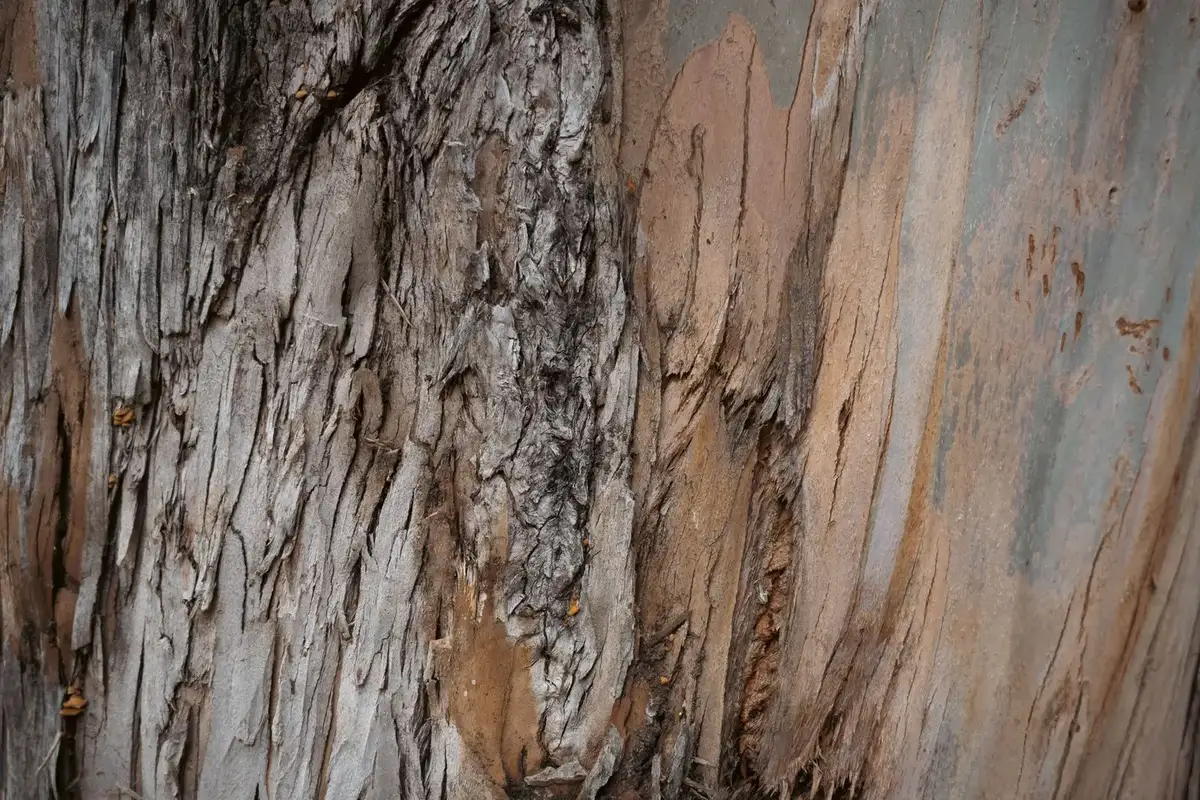
Grinding, and how deep
Grinding removes the stump and the crown to below grade — typically six to twelve inches below the surface, and deeper if the stump is large. Grinding also destroys the tissue that carries the buds, which is why it works where cutting does not.
Grind the whole crown, not just the visible trunk: the flare can extend well beyond the trunk diameter, and a ring of live tissue left at the edge will sprout. Then fill the hole with the grindings or with soil, and watch it for a season. Any shoot that appears should be removed while it is small, because a shoot left for a year has its own root connection.
If it is already sprouting
Cut the shoots at the base, repeatedly. A single cut usually produces more shoots; the reliable approach is to remove them as soon as they are large enough to grip, which exhausts the stored reserves over two or three seasons. Do not paint the cut with anything — the wound paint does not help and can seal in moisture.
Where the stump is in a lawn or a bed and cannot be ground, a light-exclusion method works: cut the shoots and cover the crown with a heavy black membrane and mulch for a full growing season. It is slower than grinding and it does work.
What not to do
Do not treat the stump with a herbicide and then leave the chips on site for a garden bed. Do not burn it out on a slope — eucalyptus roots can smoulder underground. And do not assume a stump is dead because it has been quiet for a year; the crown can wait longer than you expect.
If the stump is near a structure, check the root plate before you dig. A eucalyptus stump that is ground out removes the last anchor of a root system that may already be compromised, and the tree next to it can be affected.
When the stump is near a structure
Grinding a stump removes the crown and the top of the root system, and with it the last anchor of a plate that may already be compromised. If the stump is within falling distance of a house, the order of work matters: assess the standing trees first, then grind. Grinding a neighbour stump beside a leaning tree removes the thing that was holding the pair together.
If the stump is inside a paved area, grind to below the sub-base and backfill with compacted aggregate rather than chips, or the patch will dip within a year. If it is against a boundary wall, check with the neighbour before the grinder arrives — the flare can run under a fence line, and a machine that crosses it is a conversation nobody wants.
The short version: with eucalyptus, a stump is not the end of the job. Grind it below grade, fill it, watch it for a season, and cut anything that comes back while it is still small enough to be a nuisance rather than a tree.
And if the decision is to keep the stump as a feature — a planter, a seat, a mushroom bed — cut it low, drill drainage holes through the crown so water does not stand in it, and accept that shoots will appear for years. A stump kept for looks is a stump kept on purpose, and it needs the same watching. A stump is a decision about maintenance, not a one-off purchase.