Three Bids, Line by Line: How to Compare Tree Quotes
Quick answer: Three Bids, Line by Line: How to Compare Tree Quotes — The tree that thrives here is the one chosen for this coast: fog, salt, wind and shallow soil are the local constraints, and mature size is the constraint most often ignored. Planting is a matter of putting the right species in a site that can hold it, then keeping the root flare visible and the first summers watered.
Field note. What we see is that the coast is forgiving to the right species and unforgiving to the wrong one: the same tree that looks comfortable four streets in will burn on the windward side of a Cambria lot.
On the other hand, natives are not automatically the answer at every address — a species that belongs in the watershed can still be the wrong size for the garden it is standing in.
Three bids for the same tree will differ by a thousand dollars, and the difference is almost never the tree. It is what each bidder decided to include: disposal, mats, the stump, the permit, the second truck, the insurance. Comparing totals before comparing scopes is how people pay twice.
Here is the method I would use if I were the customer, written by someone who has written a few hundred of these.
Normalise before you compare
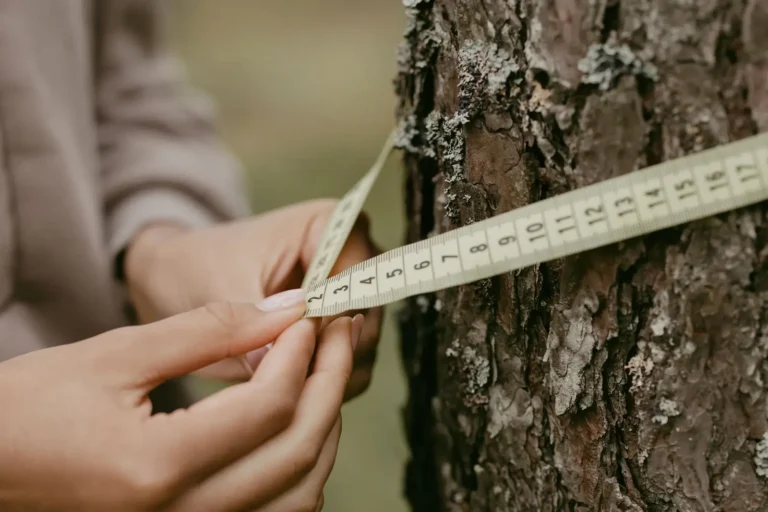
Build a single sheet with the same rows for every bidder, and fill it from their written scope rather than from the conversation. The rows that decide the price are: what is removed (species, height, trunk diameter), how the material leaves (hauled, chipped on site, left), stump depth, access protection, permit handling, and whether the price includes cleanup and a final walk.
A bid that does not state a row is not offering it. That is not cynicism; it is how a written scope works. A verbal “we’ll take care of it” is not a line item and will not survive the first disagreement.

The rows where bids hide
Disposal. Hauling is a real cost, and a bid that leaves the wood or the chips on site is cheaper for a reason. Decide whether you want them before you compare.
Stump depth. “Stump ground” can mean four inches or twelve. The difference matters the day you replant or pour a slab.
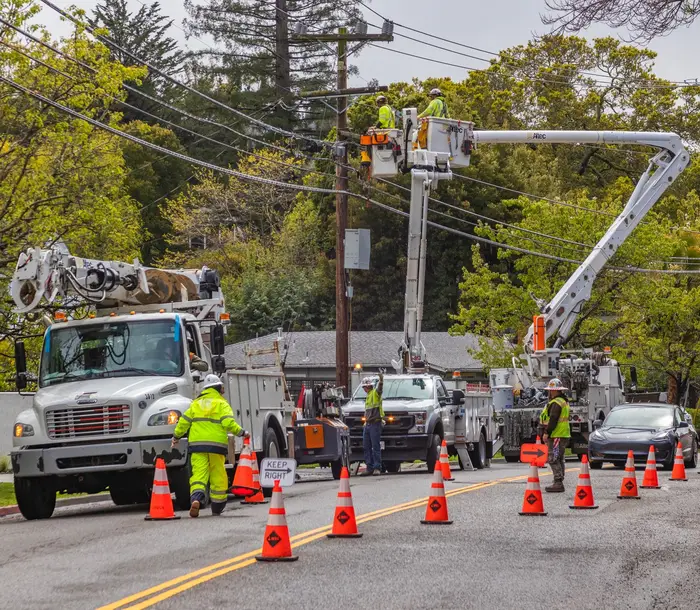
Access protection. Mats, plywood and a route plan cost time. A bid without them is a bid that will leave ruts.
Permit and documentation. If a heritage or coastal rule applies, someone has to handle it. A bid that assumes you will is a bid that stops when the county asks a question.
What the numbers should look like
Ask for the price broken into labour, equipment, disposal and any third-party fees. Not every company will do it, but the ones that can are the ones that know their costs. A single lump sum with no breakdown is not dishonest; it is simply harder to compare, and it is harder to adjust when the job changes.
Then compare the mid-range bids against each other, not the low against the high. If two bidders agree on the scope and differ by ten percent, that is a real price difference. If they differ by forty percent, they are describing different jobs.
The five questions that sort the list
Ask who will be on site, and whether they are employees or subcontractors. Ask for the certificate of insurance and the workers’ compensation policy, and read the dates. Ask what happens if the job takes longer than quoted — is the price fixed or hourly? Ask when the crew will arrive and who to call if they do not. Ask for two local references from the last year, not the last decade.
The answers matter more than the price. A company that cannot answer them in writing is not necessarily dangerous, but it is unbriefed, and an unbriefed crew improvises on your roof.
The terms that decide what the job really costs
A price is only half the contract. The other half is what happens when the job does not go as planned, and that is where the cheapest bid usually becomes the most expensive one.
Is the price fixed? A fixed price protects you from a rotten core, a hidden fence or a wider stump than expected. An hourly rate protects the contractor from the same things. Either is legitimate, but you should know which you signed, and a bid that quotes a number and then bills hourly is neither.
What is the deposit? A small materials deposit is normal. Fifty percent up front, before any equipment arrives, is a cash-flow arrangement and it puts the risk on you. Ask what the deposit buys.
What is the change order? If the crew finds a second stem or a wasp nest, who decides, and how is the price adjusted? The answer should be a phone call and a written line, not a number on an invoice.
Cancellation and weather. On this coast, a job scheduled for a wet week will move. A contract that charges a cancellation fee for rain is a contract written by someone who has not worked here.
Then there is the paperwork that should exist before anyone starts: a written scope signed by both sides, the certificate of insurance with your address on it, and a named contact who will be on site. Three documents. If a company cannot produce them for a job of a few thousand dollars, the price is not the problem.
The honest summary: a bid is a scope with a number attached. Compare scopes, then compare numbers, and be suspicious of the bid that is cheapest on both.