The Drought Is Over. The Trees Have Not Caught Up.
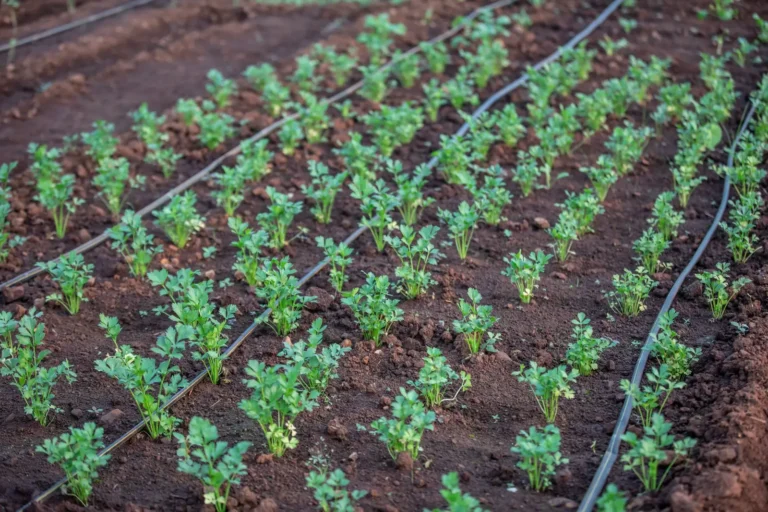
Quick answer: The Drought Is Over. The Trees Have Not Caught Up. — Trees are watered at the root zone, deeply and infrequently — a long soak that reaches down, then a dry spell that lets roots look for water, rather than a daily sprinkle that keeps everything in the top inch of soil. On the fog belt the question is rarely whether there is moisture in the air but how much got down to the roots.
Field note. What we see here is that salt air and wind dry a canopy faster than the thermometer suggests, so a tree can be water-stressed on a grey week when nothing looks hot to the person holding the hose.
On the other hand, more water is not a cure-all: on clay, a daily soak drowns roots more often than drought does, and the symptoms look almost identical from above.
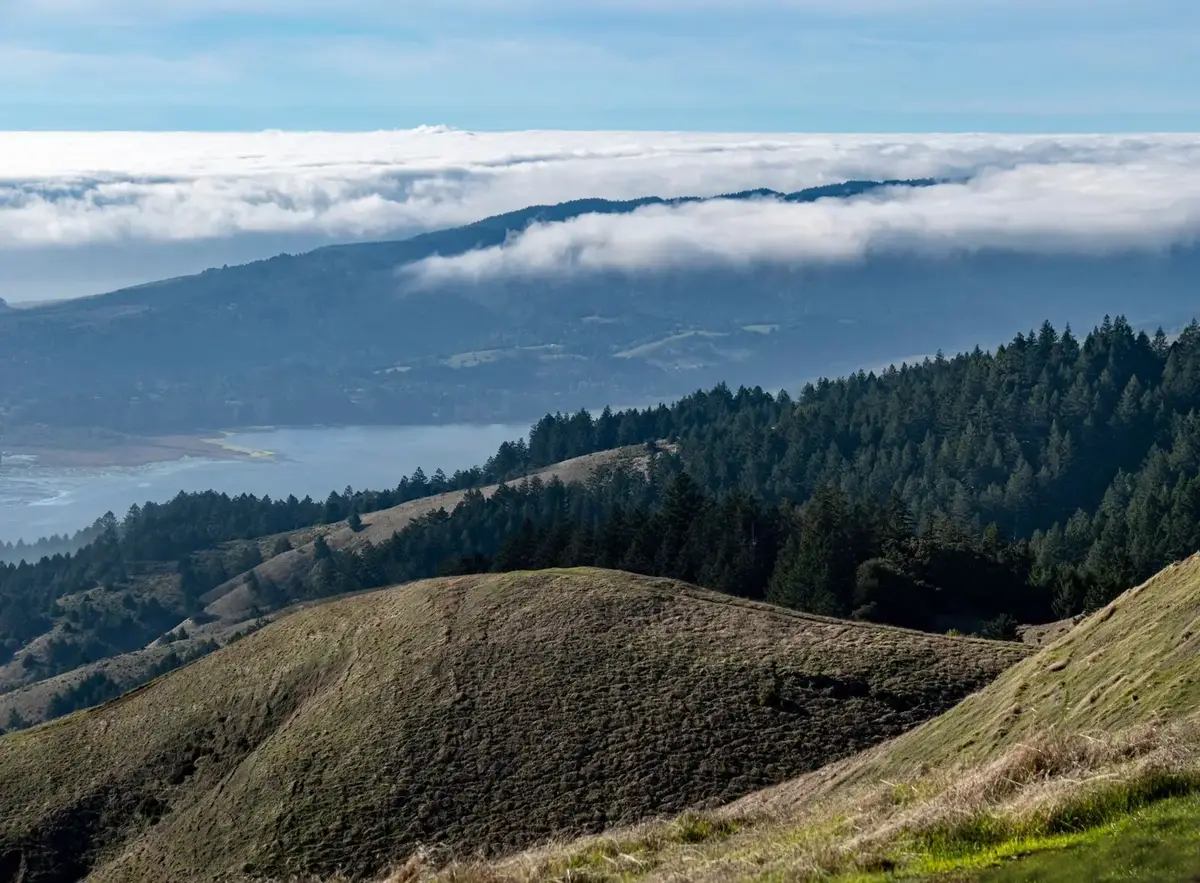
This coast has a habit of hiding drought. The fog arrives in the morning, the grass stays green into July, and the garden looks fine. Meanwhile the trees are running a deficit that will not become visible for two or three years, which is exactly why the damage is so often blamed on something else.
What a tree does when water runs short
It closes the pores in its leaves. That is the first response and it is protective: less water lost, but also less carbon dioxide taken in, so less sugar made. A tree can run that way for a season. Over several seasons it spends its reserves, and the reserves are what pay for defence against insects and decay.
The second response is hydraulic. Water in the xylem is under tension, and under enough tension a column can break and fill with air. That is embolism, and it is permanent for that vessel. A tree can lose some of its plumbing and still function. It cannot lose most of it.
Why the fog does not save them
Fog drip is real and it matters. On a good fog day, water condenses on needles and drips into the litter, and some species — coast redwood most famously — take a meaningful share of their water straight through their foliage. But fog is a subsidy, not a substitute. It wets the top inch or two of soil and the canopy. It does not refill the profile to the depth an oak needs in a dry September.
The trees that look worst after a dry spell on this coast are usually the ones that were relying on the fog and had no deep reserve to fall back on.
The delayed death, explained
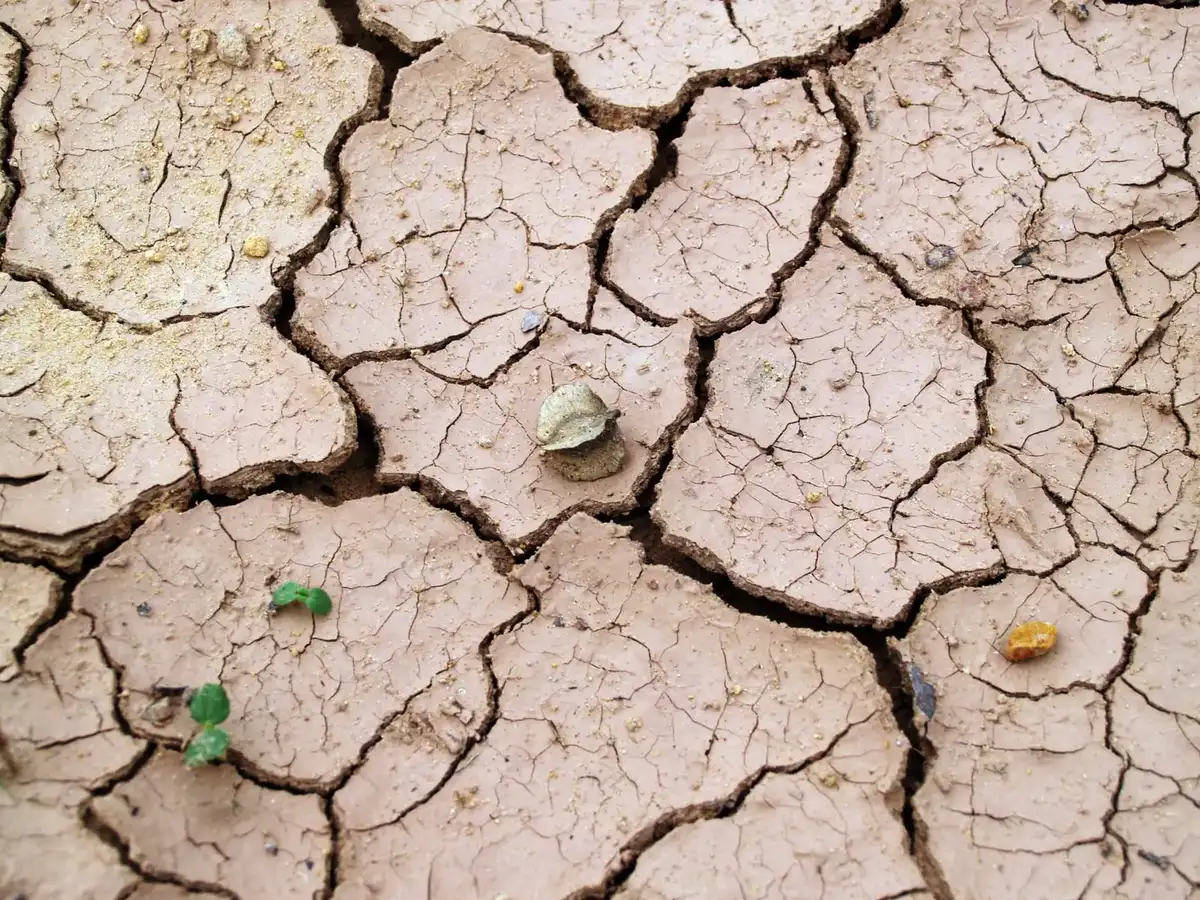
Drought kills in three ways, and only one of them is fast. The fast one is a tree that dies of hydraulic failure in a single hot week. The slow one is carbon starvation: years of reduced photosynthesis, thinning crown, small leaves, fewer growth rings. The third is the one that finishes the job: a tree weakened by the first two becomes the tree a bark beetle can beat.
That is why the mortality curve peaks two to four years after the drought ends. The rain comes back, the soil refills, and the trees that were already past saving keep dying, because their root systems shrank while the water was gone and cannot regrow fast enough to use the new supply.
What actually helps in the recovery years
Water deeply, not often. Two or three slow soakings a month through the dry season, at the drip line, enough to reach a foot down. Check with a screwdriver, not a schedule.
Mulch, and keep it off the trunk. Three inches of coarse material over the root zone cuts evaporation and keeps the soil temperature down. It does not cure a deficit, but it slows the loss.
Do not fertilize. Nitrogen pushes new growth the tree cannot afford to support and makes it more attractive to insects. A drought-stressed tree does not need food. It needs water and less competition.
Remove the competition, not the canopy. Thinning the surrounding brush reduces the water demand on the same soil volume. Removing live branches from the tree itself removes the very thing that is making the sugar.
The uncomfortable summary: the drought you remember is not the drought your trees are in. The one that matters started four summers ago, and the recovery will take at least as long. Patience is a management technique here, and it is the one most homeowners skip.