


Clearance Underneath
Crown Raising & Lifting in Morro Bay, CA
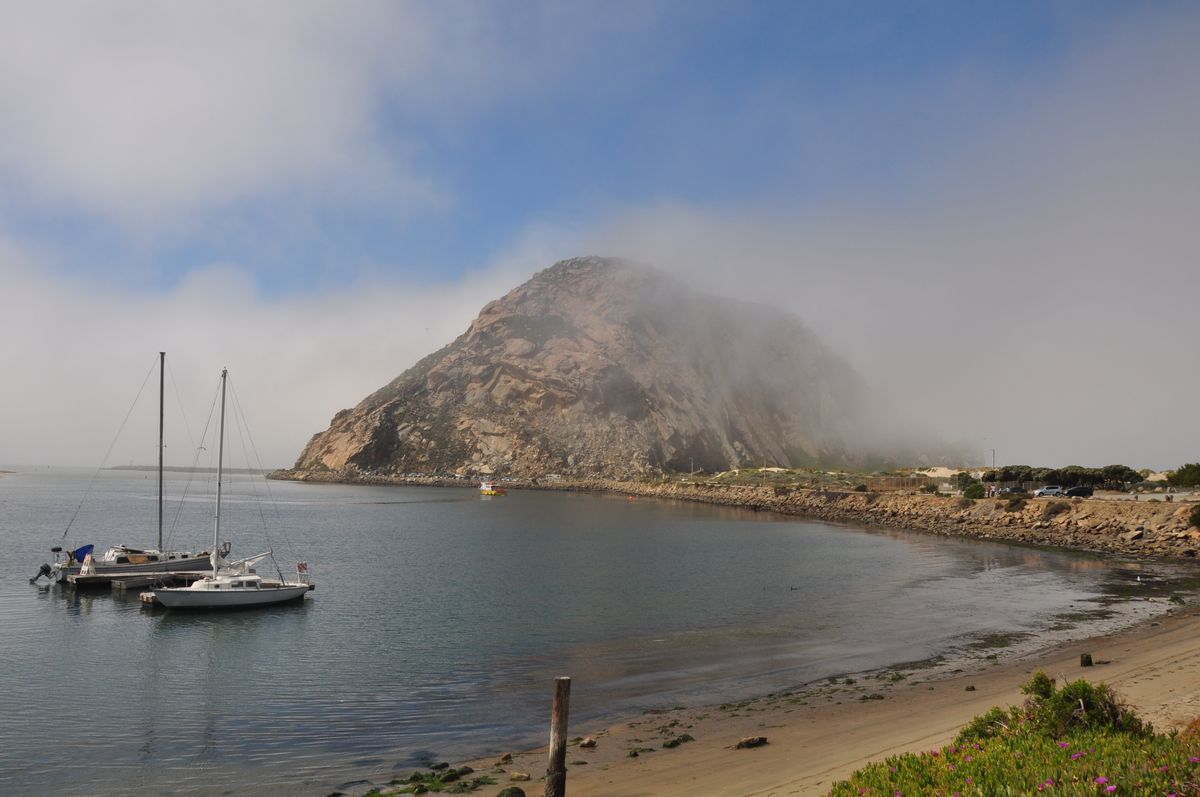
Morro Bay — this is the coast these pages are about.
Quick answer: Crown Raising & Lifting in Morro Bay, CA — Defensible space is the work that decides what a fire has to burn between the wildland and the house: dead material out, ladder fuels separated, and the tree you keep limbed up rather than removed. It is measured in zones from the structure, and the first few feet are the ones that matter most.
- Typical timing: Best done in the cool months so the debris is gone before the dry season; clearance rules apply year-round.
- What it involves: Removing dead and dying material, separating shrubs from low limbs, limbing trees near structures, and keeping the roof and gutters clear.
- The standard: Cal Fire's defensible-space guidance for the first 100 feet, applied to the trees a property actually has.
- Where we work: The wooded parts of Cambria, San Simeon, Harmony and the surrounding ranch country.
- Our own record: 503 pages and 291 stories published on this site. Counted from our own archive, not a stock table.
Field note. What we see on this coast that surprises people is how much of the fuel load is low: the limb at four feet and the brush beneath it carries fire into a canopy that would otherwise survive, so the work is often lifting rather than felling.
On the other hand, over-clearing has its own cost — bare ground erodes, and the wind that comes with the fog belt is harder on a thinned stand than the fire risk it removes.
Half the pruning requests that come out of Morro Bay's tighter blocks are really the same request: the tree is fine, but the lowest branches are in the way. They scrape the roof of a parked car, they close in a doorway, they brush the eaves, they block the sign at the end of the driveway.
Crown raising removes those lowest limbs to give clearance underneath, and it is the least invasive of the corrective pruning operations — provided the amount taken stays inside the tree's own limits.
Clearance is the measure, not a percentage
Raising is one of the few pruning jobs with a target you can describe in the drawing rather than in the tree. In practice the numbers we work to are about the use underneath:
- Pedestrian paths and the side of a building — enough headroom that nobody ducks, with a margin so the limb is not touching a wall in a wind.
- Driveways and parking — real vehicle height with something to spare, so a roof rack does not become the test.
- Roofs and eaves — a genuine gap, not a near miss, measured to the finished roof rather than to the gutter line.
- Sightlines — a driveway exit or a street sign needs the limb out of the view corridor, which is a different cut from one made for a car.
The limit that keeps a tree alive down low
Removing branches from the bottom takes from the same live crown that thinning and reduction draw on, and a tree needs a reasonable proportion of its canopy to remain to feed itself and to keep its trunk sound.
Practice puts the floor at roughly a third of the tree's height in permanent live crown: once the lowest limbs sit higher than that, the trunk below has been left with more exposure than it evolved for, and the tree begins to respond with weak shoots along the stem. A tree that has to be raised past that line is a tree that is being asked to be a different size than it is.
Raising for clearance is not the same as limbing for fire
The two jobs look similar and are done for different reasons. Raising for clearance is about the structure above and the use underneath. Limbing up for defensible space is about breaking a vertical path for fire — a different height, measured against the ground fuel below rather than against the roof, and usually part of a wider treatment that includes the brush and the ground cover.
Where a lot is being cleared for fire, the two cuts often get made in the same visit, and they are scoped separately because the clearance requirement is the tighter of the two around a building. See defensible space inspection and fire clearance for the fire side.
Getting the cuts right
A limb removed properly leaves the branch collar — the slightly swollen ring of tissue where the branch meets the stem — intact, and the tree seals the wound over it. A limb cut flush to the trunk removes that tissue and opens a wound that closes slowly and decays readily. On a coastal block that matters in the wind, because the decayed collar is exactly where a raised tree fails in twenty years.
It is also the cut most often done badly in a hurry, and the reason to ask what the collar looks like afterwards.
What raising will not fix
It will not make a tree smaller. A canopy that is too tall for its space is a crown reduction, and a crown that is too dense is a thinning. Raising changes only the bottom edge. Where the tree is failing at the base rather than crowding the roof, the question is a different one, and a hazard evaluation will answer it.
Book a look
Tell us what the branches are interfering with and send a photo standing back from the tree. Call (805) 927-4414 or use the contact page, and see our services for the rest of the pruning work.
Questions, quotes, or just exploring — we’re here to help.