Monterey Cypress Limb Drop: Why It Happens and What to Do
Quick answer: Monterey Cypress Limb Drop: Why It Happens and What to Do — The tree that thrives here is the one chosen for this coast: fog, salt, wind and shallow soil are the local constraints, and mature size is the constraint most often ignored. Planting is a matter of putting the right species in a site that can hold it, then keeping the root flare visible and the first summers watered.
Field note. What we see is that the coast is forgiving to the right species and unforgiving to the wrong one: the same tree that looks comfortable four streets in will burn on the windward side of a Cambria lot.
On the other hand, natives are not automatically the answer at every address — a species that belongs in the watershed can still be the wrong size for the garden it is standing in.
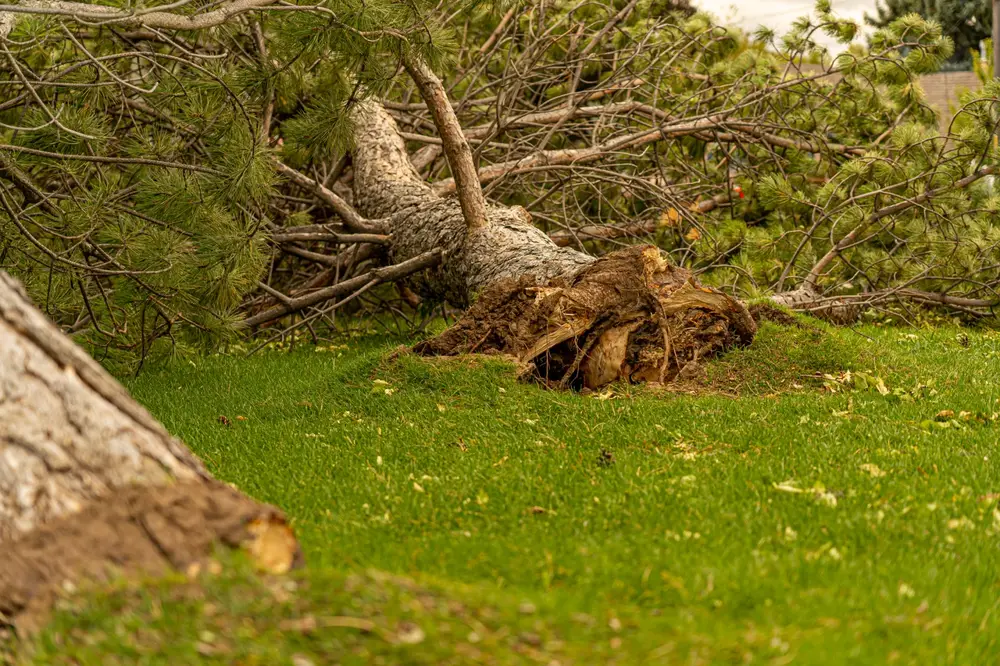
Every September the phone rings the same way. A limb the size of a fence post is lying across a lawn that was empty the night before, and the owner is standing over it, understandably, asking whether the tree is trying to kill them.
It usually is not. Late summer and early autumn are when a handful of coast trees – Monterey cypress and Monterey pine above all – shed heavy, apparently healthy limbs with very little warning. Arborists call it summer branch drop, and on the Central Coast it has a season the way apples have a season.
What the tree is actually doing
A limb is a beam made of water. Through a dry, fog-burned August the wood loses moisture and shrinks slightly; the crown is also carrying the full weight of a year of growth at the far end of every branch.
Add the first real heat of the year and the first wind behind it, and a limb that has been quietly weakening at the fork lets go. Nine times out of ten the break is at a point you could not have seen from the ground.
That last part is the whole problem. Summer branch drop is not the top of the tree coming down. It is sound-looking wood separating above a lawn chair.
The signs that actually matter
Ignore the bark. Look at the architecture:
Lion’s-tailing
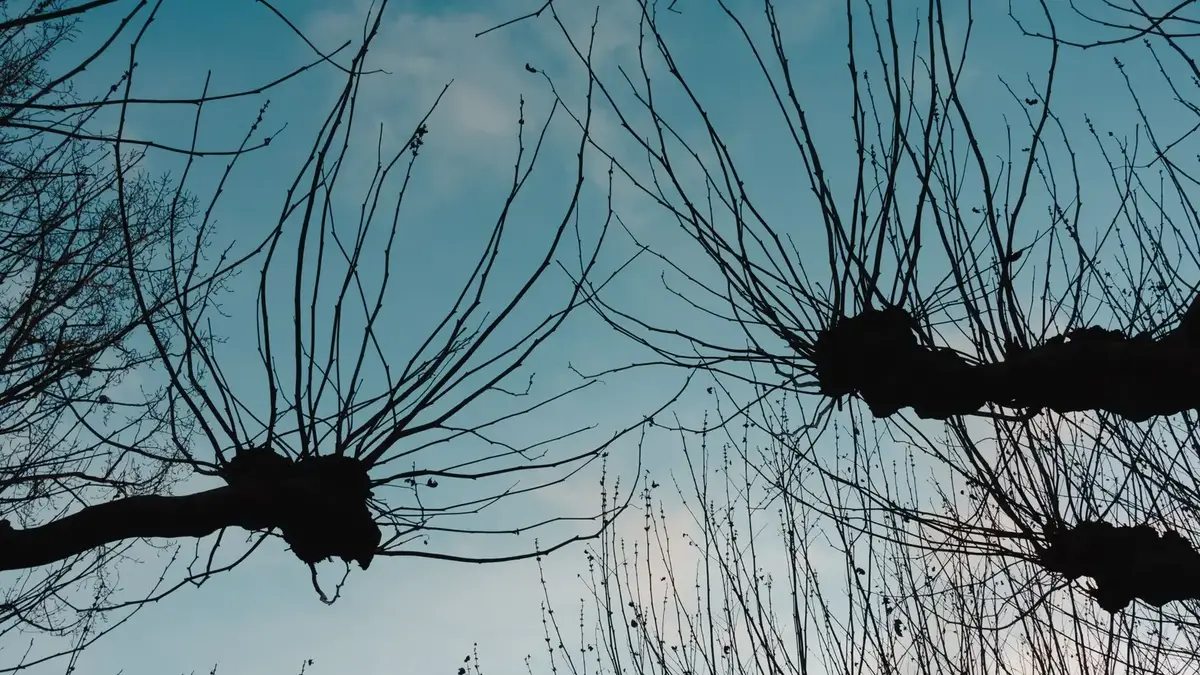
long bare branches with all the foliage bunched at the tips. That is a crown reaching for light and loading its own ends.
Tight forks with included bark
two trunks pressed together with bark trapped in the seam, which is a split waiting for a wet winter.
New lean
a tree that has always leaned is fine; a tree that leaned this year is not.
On cypress in particular, a dead top is worth taking seriously. It is not cosmetic; it is a hazard that announces itself once and then stops being polite.
The safety lesson
Do not stand under a tree you are worried about, and do not park under one. If a limb has already come down, assume its neighbours are loaded the same way – the second limb is often the one that catches the person taking a photograph of the first. Keep children, dogs and ladders out from under the drip line until someone qualified has looked up.
And do not turn a limb on the ground into firewood on a whim. A fresh, heavy limb is under tension in ways a homeowner cannot see, and cutting it wrong can release that tension into a leg. If it needs to be bucked, let the crew that removes it handle that too.
When to call
If the limb is on the roof, call the emergency line. If the tree is standing but you have found two or more of the signs above, book a professional inspection rather than waiting to see what September decides. If the answer is that a compromised tree has to come out, that is a job for skilled removal, not a weekend and a borrowed ladder.
The honest truth about summer branch drop is that it is mostly unpredictable – but the trees that do it are not random. Knowing which ones you own is most of the defence. If you are not sure, ask someone who climbs for a living.