


The Branch Over the Flue
Chimney & Roof Clearance in Morro Bay, CA
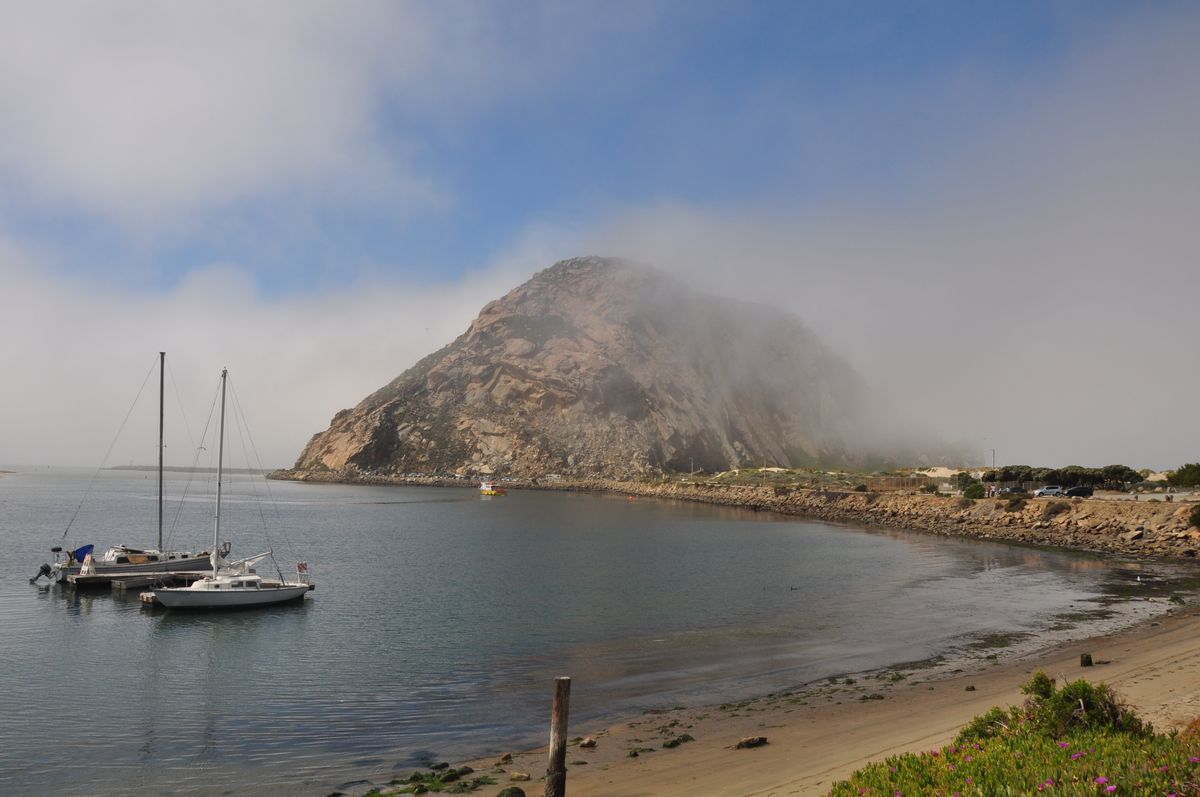
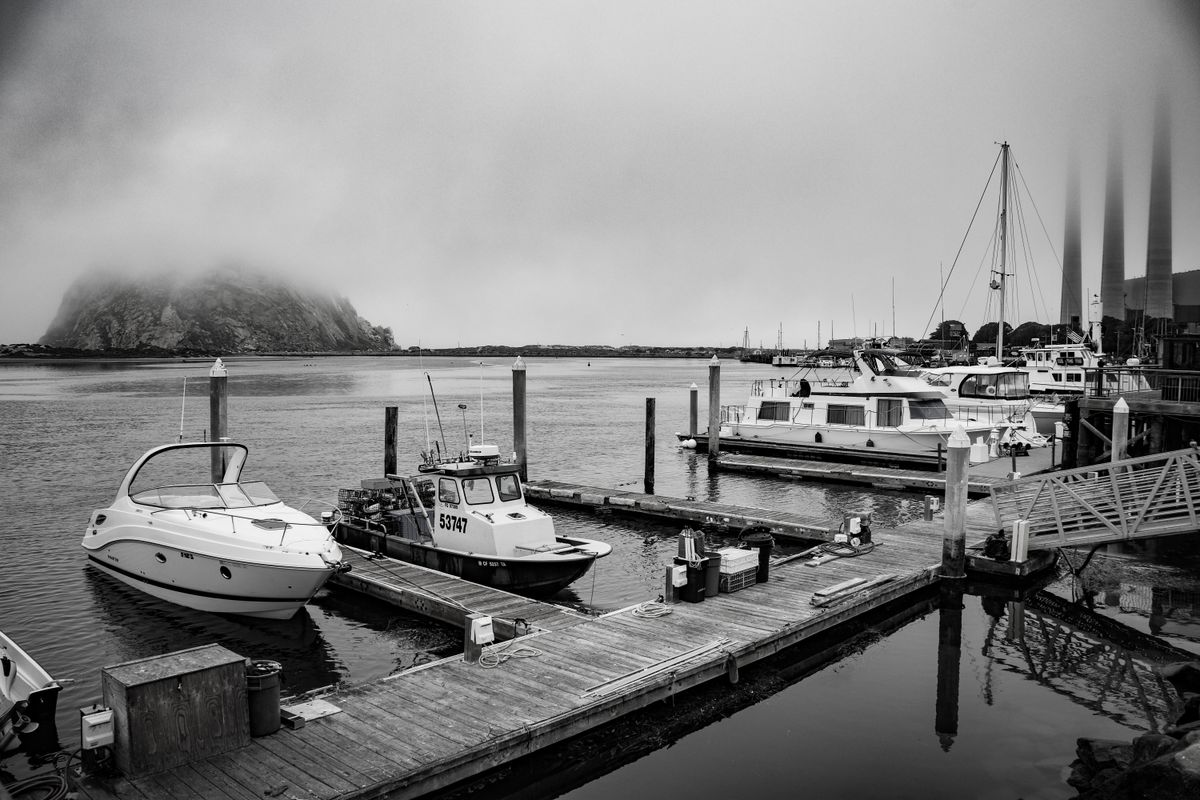
Morro Bay — this is the coast these pages are about.
Quick answer: Chimney & Roof Clearance in Morro Bay, CA — Defensible space is the work that decides what a fire has to burn between the wildland and the house: dead material out, ladder fuels separated, and the tree you keep limbed up rather than removed. It is measured in zones from the structure, and the first few feet are the ones that matter most.
- Typical timing: Best done in the cool months so the debris is gone before the dry season; clearance rules apply year-round.
- What it involves: Removing dead and dying material, separating shrubs from low limbs, limbing trees near structures, and keeping the roof and gutters clear.
- The standard: Cal Fire's defensible-space guidance for the first 100 feet, applied to the trees a property actually has.
- Where we work: The wooded parts of Cambria, San Simeon, Harmony and the surrounding ranch country.
- Our own record: 503 pages and 291 stories published on this site. Counted from our own archive, not a stock table.
Field note. What we see on this coast that surprises people is how much of the fuel load is low: the limb at four feet and the brush beneath it carries fire into a canopy that would otherwise survive, so the work is often lifting rather than felling.
On the other hand, over-clearing has its own cost — bare ground erodes, and the wind that comes with the fog belt is harder on a thinned stand than the fire risk it removes.
Chimney and roof clearance in Morro Bay is the cut that pays for itself twice, and it is the one most often deferred because nothing has gone wrong yet. A cypress that has been dropping needles into a flue for a decade has already loaded the roof and the gutter with fuel; what has not happened yet is the spark, and on a coast where the dry season arrives with an offshore wind, that is not a large margin.
The clearance, structure by structure
- The chimney. No limb over the flue crown, no branch close enough to drop material into the stack or onto the cap. Where a flue is screened, the screen needs to stay clear and be in good repair — a damaged arrester is a hole in the one barrier the flue has.
- The roof and valleys. Foliage over a roof plane drops needles, holds moisture against the covering, and leaves a fuel bed in the valley where a spark can sit. Clearance is about both the fire risk and the physical abrasion of a limb scouring shingles in a wind.
- Gutters. The ignition point that matters most on a wooded property and the cheapest to fix. A gutter full of pine needles under a roof edge is a fire that starts above the soffit.
- Decks, eaves and skylights. A limb over a deck is a fuel path to a structure; over a skylight it is also the fastest way to break glass, and over a solar array it is a shading problem that costs generation every day.
How much to take, and where to make the cut
The aim is clearance without disfiguring the tree, which on this coast means reduction cuts back to a live lateral of decent size rather than stubs — the same principle as crown reduction, applied to a specific limb instead of a whole canopy. Where the only available cut is a large one low on the branch, the tree is the wrong shape for the spot and crown raising is the better conversation.
Cutting a limb back to a stub above a roof is worse than leaving it: the stub decays, the regrowth is weakly attached, and the new shoots arrive at exactly the height you were trying to clear.
Why it cannot wait
Three reasons, and they compound. The fuel accumulating on the roof and in the gutter increases every season the tree is left. The limb itself thickens, so the eventual cut is larger, harder and more expensive. And the physical wear — needles staining shingles, a branch abrading a fascia in the wind, a contractor refusing to work under a covered roof — arrives before the fire does. Clearance is maintenance; a roof replacement is not.
The rest of the fire chain
Clearing the structure is the first five feet of defensible space, and it only works as part of a chain: the roof and the flue here, the low limbs above in fire clearance, and the brush below in ladder fuel removal.
On a Morro Bay lot where the house sits close to tall cypress, all three are usually worth doing in one visit rather than three, because the access and the setup are the same. Call (805) 927-4414 or use the contact page and we will look at the roof line before the season.
Field note — Olivia Whitmore clears a roof by starting at the flue and working outwards; whatever the wind can drop onto the roof is the fuel that matters.
Questions, quotes, or just exploring — we’re here to help.