The Rental Tree: Who Is Responsible, and What It Costs
Quick answer: The Rental Tree: Who Is Responsible, and What It Costs — Tree work is priced from the tree and the site rather than from a rate card: access, height, lean, what is under it, how the wood comes down, how far it has to travel and what happens to the stump all move the number. That is why a written quote names the work line by line instead of quoting one figure over the phone.
Field note. What we see is that the quotes people worry about are rarely the expensive ones: the job that costs the most is the one re-done, and a plan that protects the driveway, the fence and the roof is cheaper than the repair.
On the other hand, the cheapest quote is not automatically the worst value — the honest comparison is what each one includes, and a figure with no line items is the one that changes later.
A rental property has one thing a family home does not: a second party who writes things down. The tenant who emails about a cracked limb in March has created a record, and from that moment the tree is not a maintenance item. It is a known condition.
That is the whole shape of landlord tree liability. It is not that owners are expected to predict failure. It is that a report, once received, changes what the owner is expected to do.
What the lease should say
Three clauses do most of the work. First, the tenant reports tree damage, leaning, cracks, or limbs down within twenty-four hours, in writing. Second, the tenant does not prune, cut, or remove any tree without written approval. Third, the owner inspects the trees annually and after any storm event of note.
The first clause is the one that protects the owner, because it moves information in the right direction. The second protects the tree and the deposit. The third is the one almost nobody writes, and it is the one that answers the question after an incident: when did anyone last look?
Who actually calls the arborist
Put a name and a number in the lease. A tenant who has to find a tree service at eleven at night will find the cheapest one, and the property inherits the work. A named contact with authority to spend up to a stated amount on emergency stabilisation removes that decision from the tenant and keeps it with the person who owns the risk.
The owner still approves anything above that ceiling. What the arrangement buys is speed on the night and control on the invoice, which are usually in tension.
The arithmetic of waiting
An annual inspection on a rental with a mature tree costs a few hundred dollars. Removing a failed limb from a roof, repairing the roof, and handling the insurance conversation costs several thousand — and the deductible is not the expensive part. The expensive part is the letter from the tenant’s solicitor if the limb landed on a car that was parked where the lease said to park.
Multiply the inspection by the years you own the property and compare it with one claim. The inspection is cheaper in every case that matters, and it is the only line item that also produces a document.
What to hand over at move-in
A one-page tree sheet: a photograph of each significant tree, its location on a simple plan, the date it was last inspected, and the number to call. Add a line saying that nothing is to be planted, cut, or pruned without written approval, and a line explaining that fallen limbs should be reported even if they are small.
Ten minutes of paperwork at the start of a tenancy. It is also the document that shows a court or an insurer that the owner took the tree seriously before anything happened, which is the only version of this story that ends well.
The three-line report
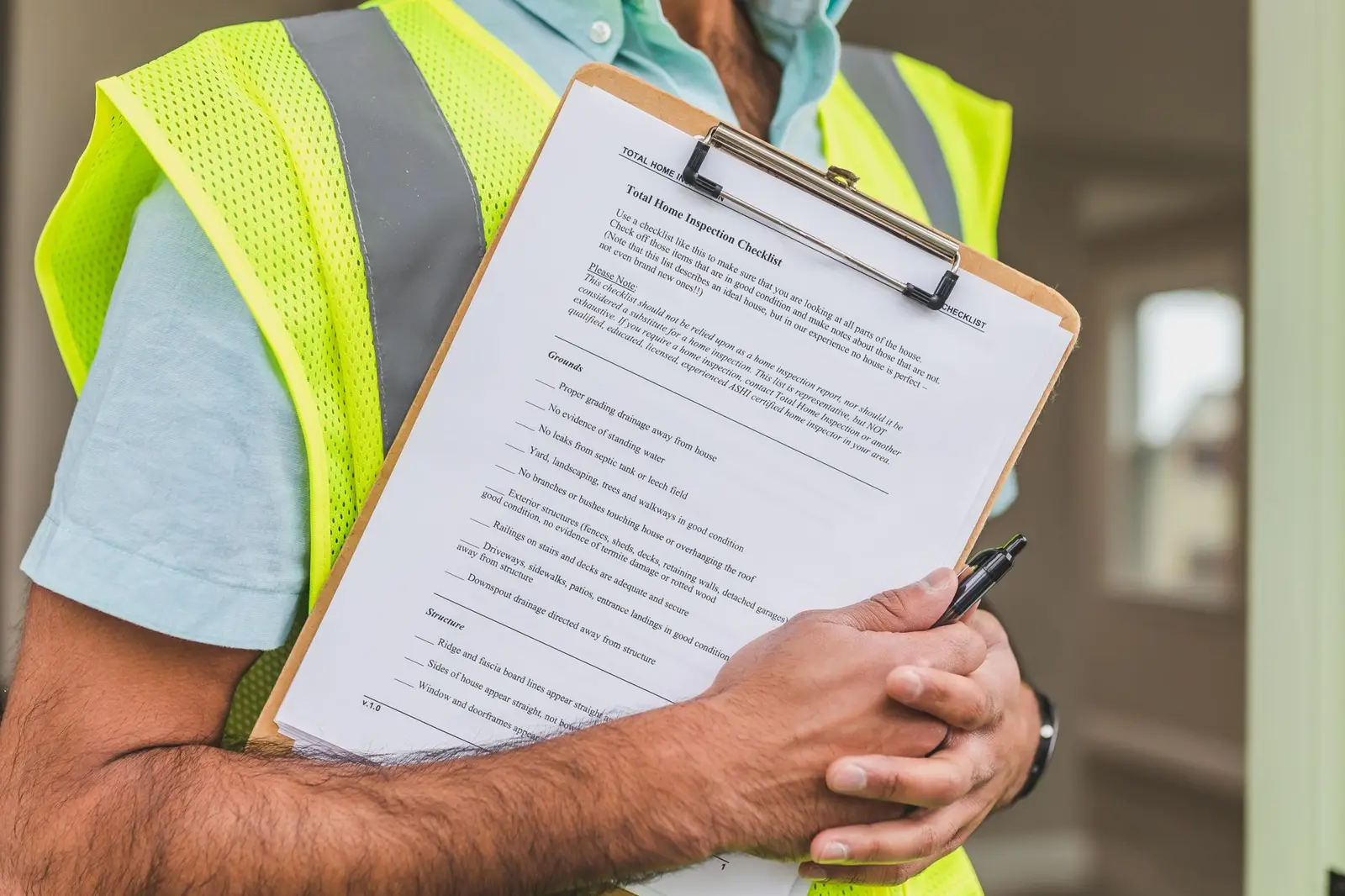
The inspection does not need to be a document. It needs to be three lines per tree, dated, and kept: what was looked at, what was found, what is recommended and by when. A photograph of the base and a photograph of the canopy, taken from the same two spots each year, does the rest.
That file is what an insurer reads after a claim and what a buyer reads before an offer. It is also the only way an owner of five properties remembers which address had the crack. Three lines, once a year, per tree.
Keep the report separate from the invoice. The invoice proves you paid someone; the report proves you looked. They answer different questions, and the second is the one that is asked after a limb lands somewhere expensive.
One last piece of arithmetic worth doing: the tree is an asset on the rent roll. A mature oak that shades the west side is worth more than the cost of its inspection, and a property with a healthy canopy rents faster in August. The maintenance is not a cost of compliance. It is a cost of keeping the thing that makes the property desirable.
And the tenant notices. A property where the trees are looked after reads as a property where the landlord answers the phone, which is worth more in a renewal than the inspection ever costs.
The tree sheet goes in the welcome pack beside the bins and the wifi code. Nobody reads it until they need it, and then it is the first number they call.