
5 Reasons to Grind the Stump After a Tree Comes Down
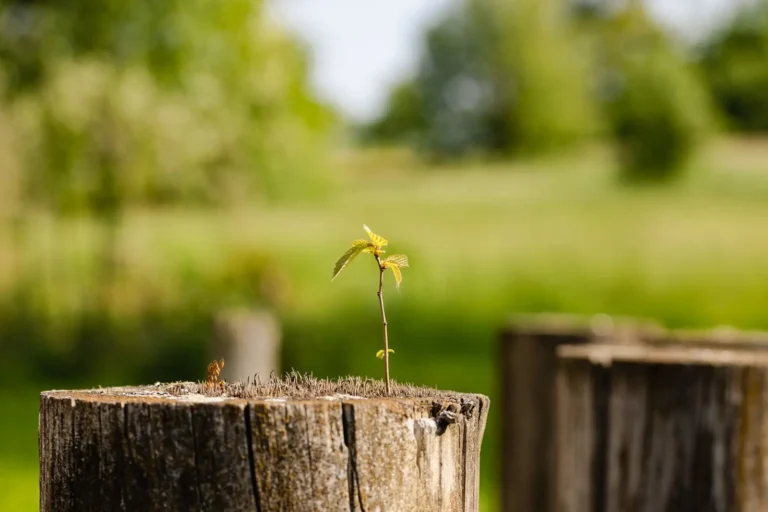
Quick answer: 5 Reasons to Grind the Stump After a Tree Comes Down — A stump is the part of the problem that is still in the ground: it holds the roots that lift pavement, keeps a species alive if it re-sprouts, and occupies the spot where the next planting goes.
Grinding removes it below the surface so the ground can be worked again, and the roots that matter are the ones under the driveway rather than the ones beside the trunk.
Field note. On this coast the stump is rarely the end of the job: Monterey pine and eucalyptus both keep enough energy in the roots to push new growth, so we are looking at the species before we quote the grind rather than after.
On the other hand, a stump left in a garden bed is sometimes the better answer — it decays, feeds the soil and costs nothing — so grinding is a choice, not a rule.
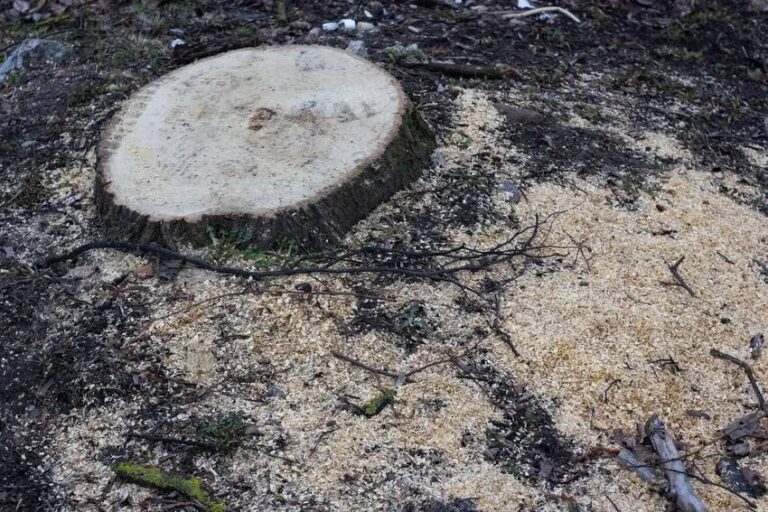
A tree can come down in an afternoon, but what it leaves behind tends to linger. That cut-off stump sitting in the middle of your yard is an unfinished sentence in an otherwise considered composition — and everything around it reads the pause. If you have been wondering why stump grinding is important after tree removal, the answer goes well beyond appearances. It touches the health of your soil, the safety of everyone who walks across it, and the freedom to design whatever comes next.
Why Stump Grinding Is Important After Tree Removal
Think of your landscape as a piece of visual art. Every lawn, bed, and pathway is a deliberate stroke, and a leftover stump is a smudge right at the focal point. From a craft perspective, that alone would be reason enough to remove it. But the practical case is even stronger:
The Hidden Costs of Leaving a Stump Behind
Nature is patient, but she is not tidy. A stump left to decompose on its own can sit in place for years, quietly softening, staining the soil beneath it, and hosting colonies of insects and fungus the whole while. As the root system decays underground, the soil above it can settle and dip, leaving uneven ground where you expected a smooth lawn. Meanwhile, the visual weight of the stump never quite fades — weathered wood reads as neglect rather than patience, and it changes how the entire yard feels from the street.
Reclaiming the Composition of Your Yard
There is real creative satisfaction in restoring negative space. Once the stump is gone, the eye travels freely again — across the lawn, toward the trees you kept, into the corners you want people to notice. That cleared ground is a design opportunity: replant a young tree as a new focal point, lay out a curved bed, or open a patch of sunlight for a reading chair and a small table. Curb appeal follows naturally, and so does a buyer’s first impression, because a yard that reads as finished feels cared for in a way no listing photo can fake.
What Stump Grinding Actually Involves
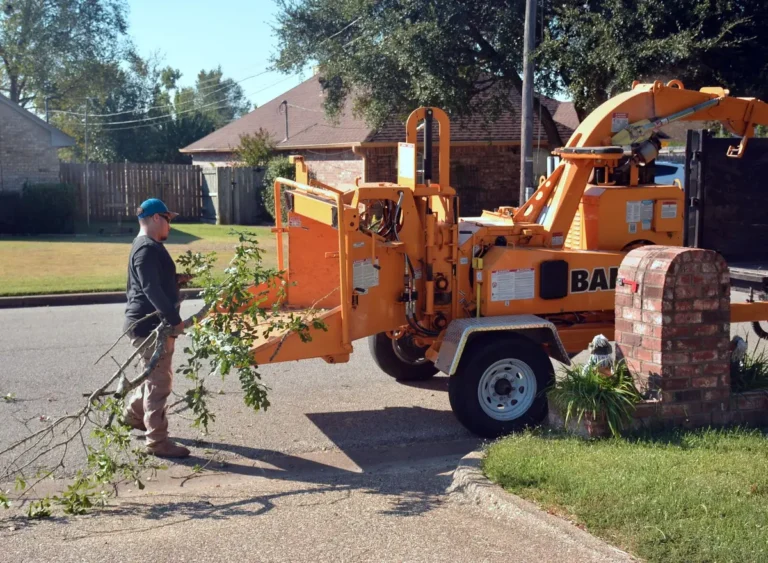
Stump grinding is a focused, efficient process. A machine with a spinning cutting wheel chips the stump and its major surface roots down into coarse mulch, typically working several inches below the soil line. The deep roots left underground decay naturally on their own, out of sight and out of the way. The resulting chips can stay on site as mulch for your garden beds or be hauled away, and the shallow depression is backfilled so you can seed grass or plant over the spot soon after. Compared with full stump removal, which extracts the entire root ball and leaves a much larger hole, grinding is the lighter touch — less disruption, faster recovery, and a cleaner canvas.
In short, stump grinding is the step that closes the story a tree removal begins. It removes the hazards, halts the pests and decay, prevents unwanted regrowth, and hands the space back to you — clean, level, and ready for whatever you choose to create next. Skip it, and the landscape keeps whispering about what was lost; grind it, and the chapter ends beautifully.
A stump left below grade is a hazard and a regrowth source; grinding removes it below the surface. stump grinding.
See our our Cambria-based crew for the complete service list and free estimates.
Leave a Reply