Eleven Questions Homeowners Ask About Trimming
Quick answer: Eleven Questions Homeowners Ask About Trimming — Pruning is a plan before it is a cut: deadwood and broken limbs first, then clearance from roofs, wires and paths, then the structure the tree will carry for the next decade. The right cut heals and the wrong one invites decay, which is why the order matters more than the number of cuts.
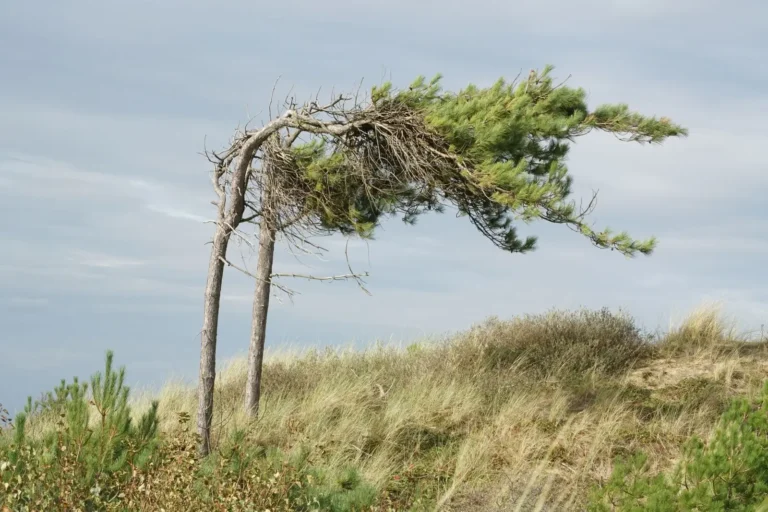
Field note. What we see on this coast is a pruning calendar that does not match the inland one: salt air, fog and wind mean a cut that would be minor in the valley can be the one that opens a crown to decay here, so we look at the species and the exposure before the season.
On the other hand, not every tree wants to be pruned: leaving a healthy canopy alone is a decision that pays, and a tree with plenty of space is often better served by doing nothing.
These are the questions that come up in almost every driveway conversation, in roughly this order. The answers are short because the underlying rules are short; what makes trimming feel mysterious is that the rules are about the tree, and most advice is about the calendar.
1. How much can you take off at once?
No more than a quarter of the live crown in a single year, and less on an old or stressed tree. That is not a style preference; it is the limit of what the root system can support while it rebuilds the leaf area it just lost.
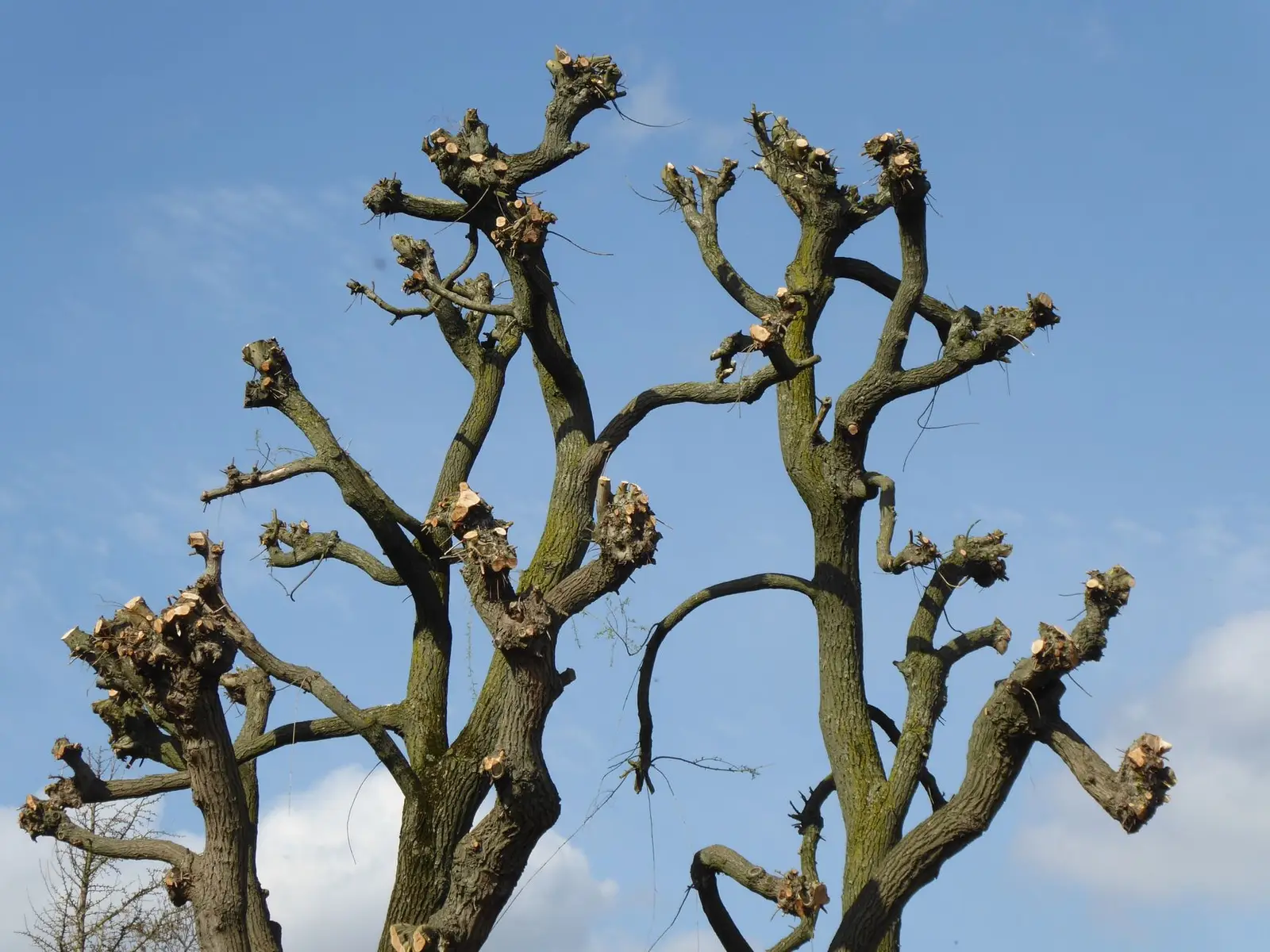
A tree trimmed past that line responds by spending stored energy on regrowth instead of defence, which is why heavily cut trees sprout thick tufts of water sprouts along the branches and become more attractive to borers in the following two years.
2. When is the right time?
Late winter, before growth starts, is the default for most deciduous trees on this coast: the tree is dormant, the structure is visible without leaves, and the wounds begin sealing as growth resumes. Summer pruning is fine for corrective work and for clearance, and is actually preferable for a few species that bleed heavily in spring.
What to avoid is the two weeks when a tree is pushing new growth and the month when it is dropping leaves — the tree has no energy to spare in either.
The exception that overrides the calendar is a hazard. A dead or broken limb over a path comes out the day you notice it, whatever month it is.
3. Why did the cuts go brown?
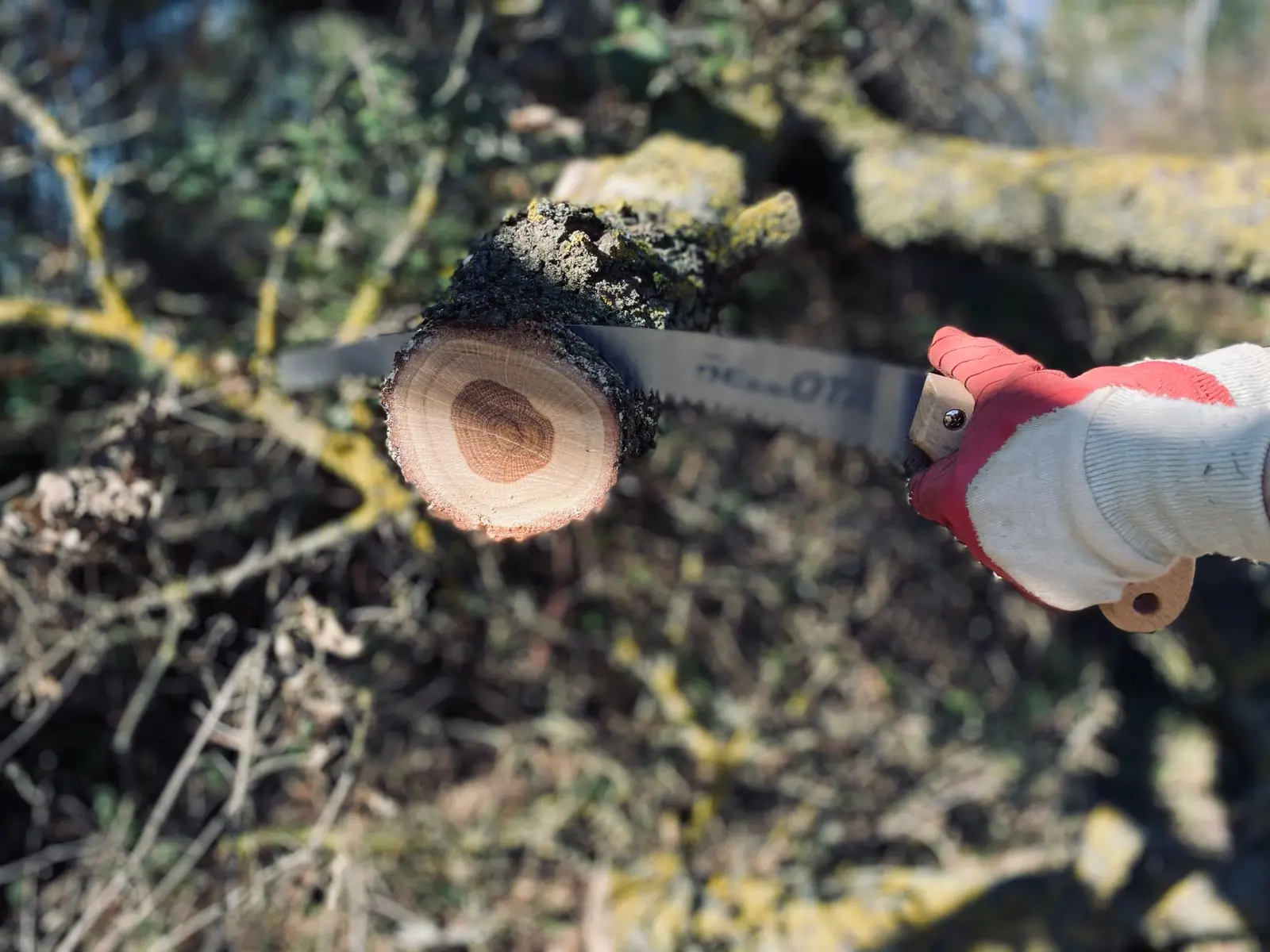
Usually because the cut was made in the wrong place. A proper cut goes just outside the branch collar — the swollen ring where the branch meets the stem — leaving the collar intact so the tree can seal over the wound. Cut flush and you remove the collar, so the tree has to close a wound across the parent stem, which it does badly.
Leave a stub and the stub dies, rots, and carries decay back into the stem. The brown you are seeing is often a stub dying.
4. Should the wound be painted?
No. Wound dressing does not prevent decay and can trap moisture against the wood, which makes it worse. The tree seals its own wounds with a chemical barrier and then a physical one; paint interferes with neither process helpfully. The single useful thing is a clean, correctly placed cut.
5. How often should a tree be trimmed?
For most mature trees on this coast, every three to five years for structure and deadwood, plus a clearance pass if a limb is reaching a roof or a wire. Fruit trees are on a different cycle and want annual work. The trees that get trimmed every year are usually being trimmed for the wrong reason — a yearly cut on a mature native is a yearly wound set, and the tree spends its energy closing them instead of growing.
6. Can I trim it myself?
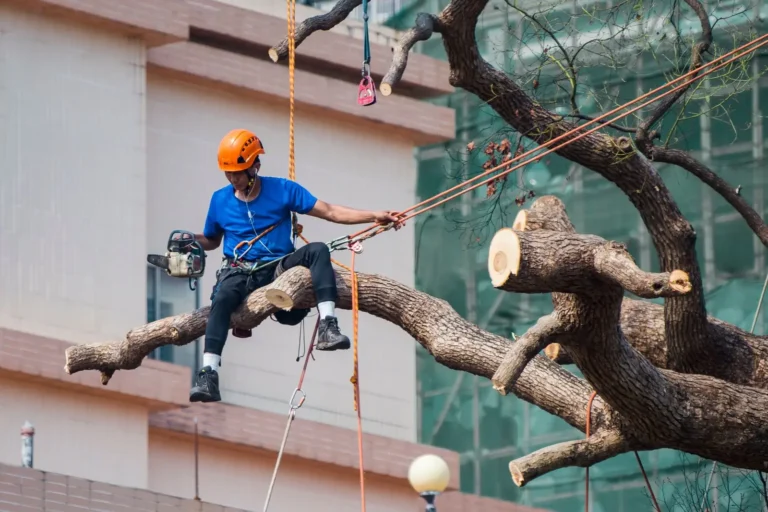
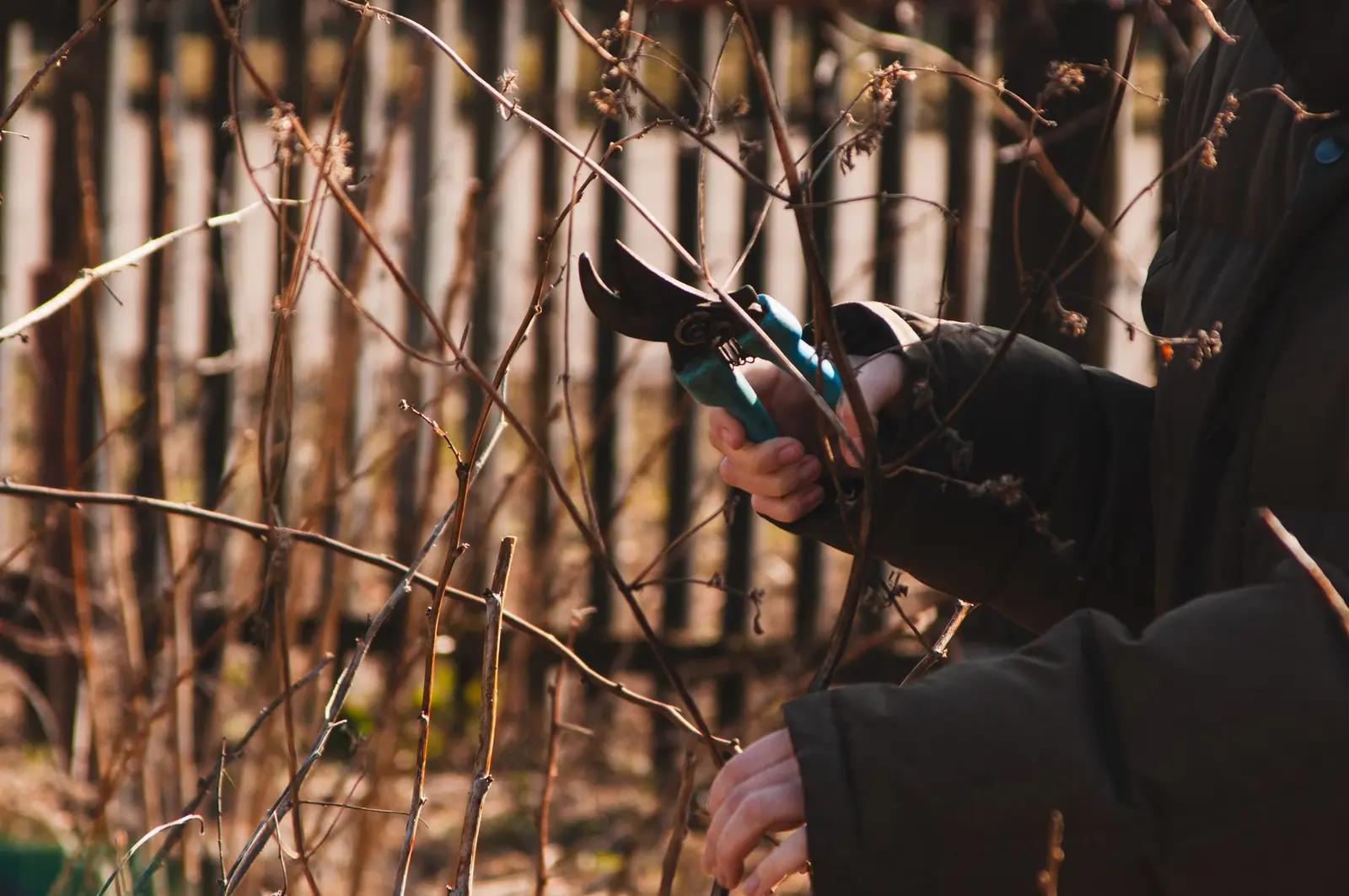
Anything you can reach from the ground with a pole saw, or from a stable ladder at low height, yes. Anything that requires a chainsaw above your shoulders, a climb, or a rope — no. The injury statistics for chainsaw work above chest height are not subtle. Neither is the tendency of a limb under tension to behave in a way that is obvious to somebody who has cut a hundred of them and surprising to somebody cutting their first.
7. What about birds and nests?
Most songbirds here nest between March and August, and a trim in that window can take a nest with it. This is a legal matter as well as an ethical one: active nests of native birds are protected, and a crew that finds one should stop and work elsewhere until it is done. If you can only trim in spring, have the tree checked first.
8. Does trimming make a tree grow faster? No — it reduces total growth, because there is less leaf area. It redirects growth, which is why a hard cut produces long shoots from the cut point. 9. Why is my tree sprouting from the trunk? Because it lost canopy somewhere and is trying to replace it; the sprouts are the tree’s response, not a defect, though most of them should be rubbed off while young. 10.
Can you trim to make it shorter? Not really — a tree’s height is set by its leader, and cutting the top off (topping) replaces a tall tree with a shorter, weaker one that grows back bushier. 11. Is the stump grind included? Almost never; it is a separate machine and a separate line item.
If you want a specific tree assessed for what should come off it, the trimming and pruning service page covers what the work includes.