The Five You Will Actually Meet: A Coastal Disease Key
Quick answer: The Five You Will Actually Meet: A Coastal Disease Key — Most tree trouble on the Central Coast is identified before it is treated: a borer, a canker and a drought-stressed root system can look the same from the ground, and each has a different answer. Diagnosis is the first cut — host, sign and season — and the least-toxic control that fits comes after it.
Field note. What we see on this coast is that the tree under fog is often the healthier one and the tree on a hot exposed edge is the one that gets hit — stress is the invitation, and the coast hides it well.
On the other hand, treatment is not always the kindest answer: for a hazard tree with internal decay, careful removal protects the neighbours, and replanting does more for the site than a season of injections.
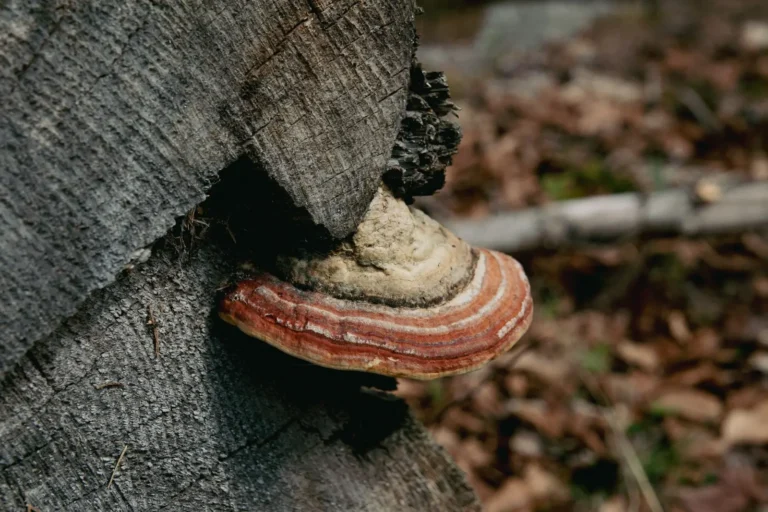
Over a year of call-outs, the diagnoses on this coast collapse into a short list. That is useful, because it means most owners can narrow their tree down to two or three candidates before they call anyone, and narrow it further with a torch and a hand lens, and reading a fruiting body takes you one step further on. What follows is that list, ordered by how often it is the answer rather than by how frightening it is.
One: bleed on an oak — the Phytophthora canker
A dark, wet-looking stain on the trunk of a coast live oak, often with reddish or black ooze, usually within a few feet of the ground and often on the uphill side. Underneath, the cambium is dead and there is a sharp boundary between dead and live tissue that you can find with a careful knife cut.
The separate sign is the carrier: California bay laurel nearby, holding the same pathogen without dying. Bleeding alone is not proof — a mechanical wound can stain similarly — but a bleeding oak with bay overhead in a wet spring is the pattern that matters most on this coast, and the response is hygiene rather than treatment: dry-weather work, cleaned tools, and no movement of soil or chips off the site.
The full picture of the disease is in sudden oak death on this coast.
Two: pitch tubes and sawdust — the beetles
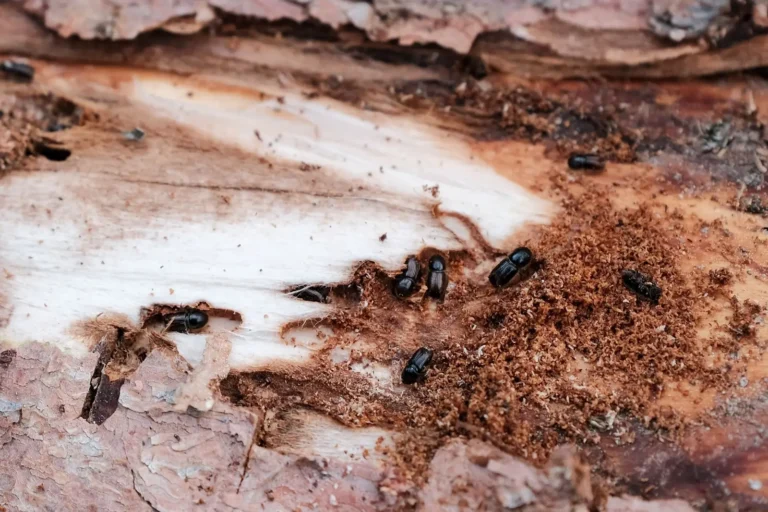
On pines the signs are unmistakable once you know them. A tube of pale resin the size of a thumbnail, pushed out of the bark where an insect bored in; fine reddish sawdust in the crevices of the bark below; and later, tiny round exit holes, like buckshot, in a patch of bark that no longer bleeds.
The crown fades from the top of an individual branch or from the base of the tree, and by the time it is obviously dead the insects have usually finished and left. The four signs to check first are in reading a pine.
The reason beetles are on this list at all is that they are almost never the primary cause. They select trees that are already dry, injured or crowded. Removing the tree removes the brood; it does not remove the drought that invited them, so the stand around it still needs thinning and water.
Three: cypress tip dieback on the windward side
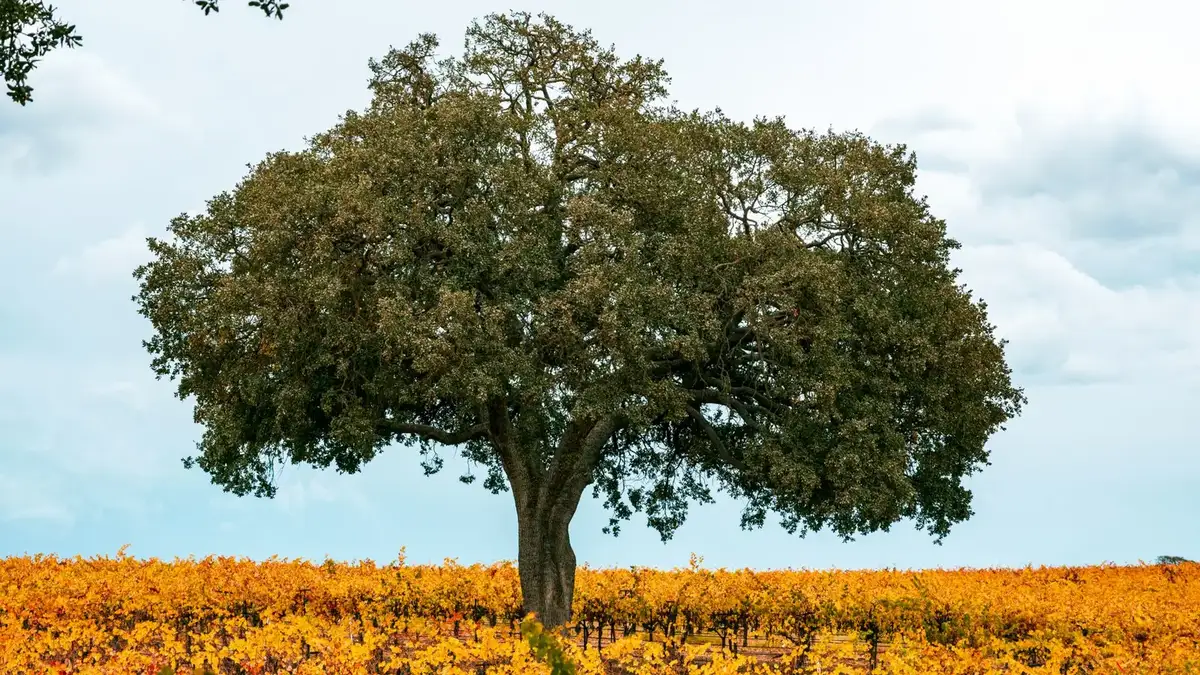
Monterey cypress on this coast commonly shows dieback from the tips inward, with flat brown patches that follow the wind. Two things look like this and are worth separating. Mechanical damage and salt burn produce dieback with no lesion and no resin. A fungal canker produces a lesion on the twig or branch, often with a pinprick of resin and a slight sunken groove, and it spreads inward through the branch to the stem.
The separation matters because of the tools. Cankers spread on wet pruning tools and in wet weather, which is why the same rule that governs oak work governs cypress: cut in dry weather, clean the blade between trees, and take the branch back to live wood rather than leaving a stub to die. What the tree needs over its life is in Monterey cypress care.
Four: mushrooms in a ring at the base — Armillaria
In late autumn, clusters of honey-coloured mushrooms appear at the base of a tree, sometimes in a ring, sometimes on the roots a few feet out. Peel back the loose bark at the base of a tree you are willing to sacrifice and you may find a white, flat, fan-shaped layer of fungal tissue between the bark and the wood. That fan is the diagnosis.
The tree above it typically declines over several years, thinner each season, with the crown dying from the outside in.
Armillaria is a root pathogen with no realistic cure on a mature tree, and it survives in the dead wood and in the stumps around it. Removing one affected tree without removing the stump leaves the fungus in place, and replanting the same spot with a susceptible species is a way to repeat the exercise in ten years. Replant something that is not a host, or plant elsewhere.
Five: root and crown rot where the water sits
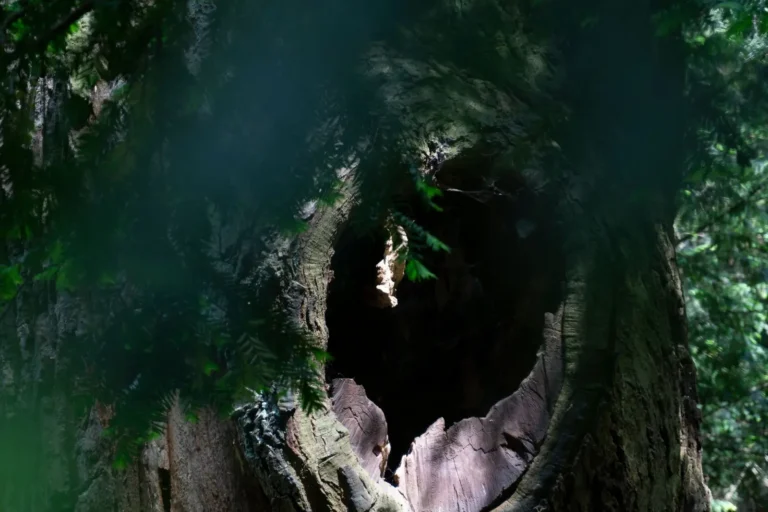
The commonest self-inflicted problem in a coastal garden. A tree planted in heavy clay, in a low spot, or into a hole that was amended with compost, gets watered through its first summers and rots at the root crown. The signs are subtle and cumulative: small leaves, a crown that thins from the inside, a dark wet band at the soil line, a base that feels soft under the bark rather than firm.
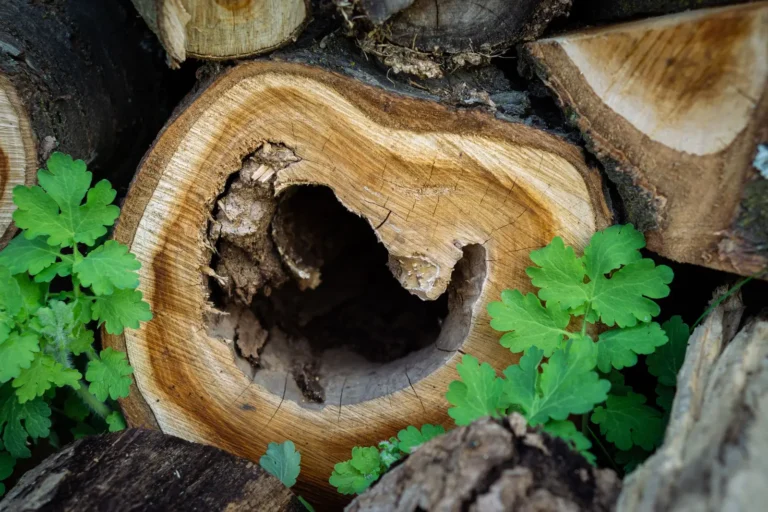
The fix is drainage and depth, not chemistry. Lift the grade away from the trunk, pull the mulch back, stop irrigating the flare, and accept that a tree with a rotted crown is a removal rather than a patient.
What all five share is the part a homeowner can act on without any diagnosis at all. Keep wounds out of wet weather. Clean the tools between trees. Do not move soil, chips or firewood from a sick property to a healthy one. Water to the depth the roots occupy rather than the surface, and keep the flare dry and visible.
Those four habits do more for the health of a coastal garden than any spray on the market, and they cost nothing except the discipline of doing them in the right month.
And the honest limit, which applies to every row above: only a laboratory can confirm most of these. What the signs do is decide whether waiting is reasonable and whether the tree should be looked at by someone with a knife, a lens and the authority to take a sample.