The Trees at the Edge of the Vineyard
Quick answer: The Trees at the Edge of the Vineyard — Trees on this coast live with fog, salt, wind and thin soil, and the work that keeps them healthy is decided by those conditions rather than by a calendar written inland. Structure, clearance and the root zone are what a tree here needs looked at, and small work done early is what keeps a tree out of the emergency list.
Field note. What we see on this coast is that the trees people worry about are usually not the ones in trouble: the pine with a clean crown and a lean that predates the house is often sounder than the tidy tree that has been quietly drowning in its own root zone.
On the other hand, there is no schedule that suits every tree — the same species on two sides of one street can need opposite care, which is why we look before we recommend.
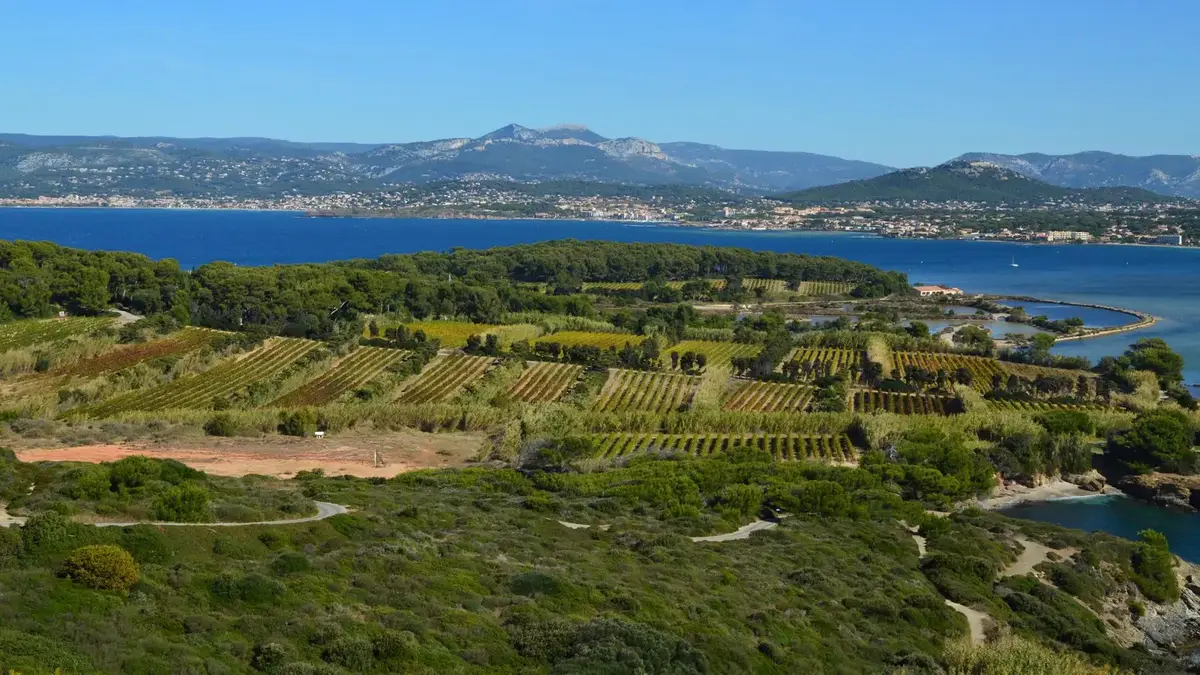
A vineyard is a machine for turning light into sugar, and the trees around it are part of the machine. They break wind, hold soil, shade the wrong things and host the insects that eat the right ones. Which of those effects dominates depends entirely on where the tree is and what species it is.
The mistake is to treat the whole boundary as one problem. It is at least three.
The windbreak, which is infrastructure
A windbreak on the prevailing wind side reduces evaporation, protects the fruit from sandblast, and keeps the spray where it was aimed. It works when it is porous — about fifty percent — and it needs to be tall enough to protect roughly ten times its height downwind. A solid wall creates turbulence on the lee side that is worse than no windbreak at all.
Species choice matters more than pruning here. Evergreen, dense to the base, and not a host for the diseases you are fighting. On this coast that usually means a native or a long-established windbreak species, planted at the spacing it will need in fifteen years, not the spacing that looks right in year three.
The oaks, which are habitat and hazard
The oak woodland at the edge of the property is the reason the site looks the way it does, and it is also the reason a sudden oak death survey is worth having. Removing oaks to open the view is a decision with a permit, a habitat value and a disease consequence, and it is rarely improved by doing it quickly.
The work that pays is deadwood removal, keeping the root zones free of grading and fill, and not moving soil from an infected stand to a clean one. Equipment moved between properties should be washed, which is the same rule the vineyard already applies to its tractor.
Access, rows and the end of the row
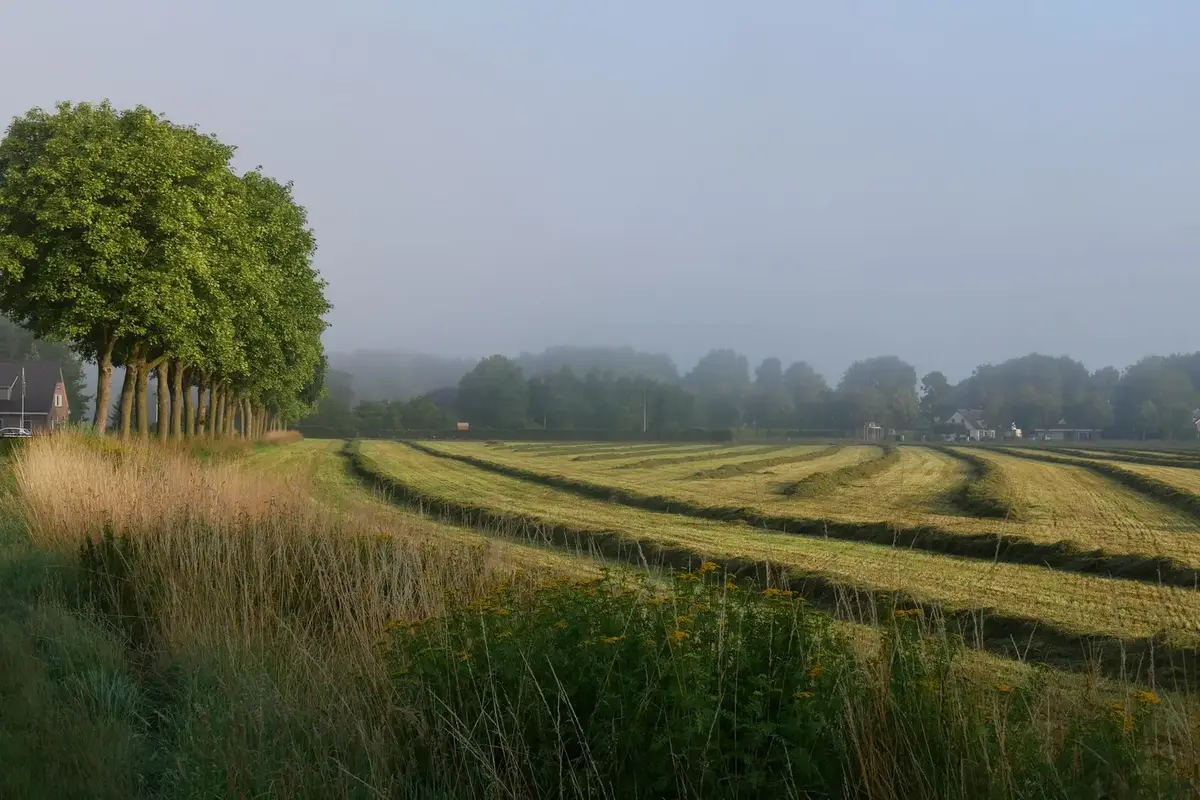
A tree at the end of a row is a tree the harvester has to miss. Turning circles, row ends, and the path of the trailer all need clearance, and the clearance has to be measured for the widest implement, not the tractor. This is the one tree decision that is purely operational and it is the one most often deferred until a machine hits a limb.
Limb it up rather than remove it where you can. A raised canopy at the headland keeps the shade and the windbreak and gives the machine its corridor. Where the trunk itself is in the way, remove and replant offset by ten feet rather than pruning the tree into a shape it cannot hold.
The boundary is a disease corridor
Trees at the edge of a vineyard are also the place where pathogens arrive. Pruning equipment, tractors and boots move soil and spores between blocks and between properties, and the oak roots that run under the fence line connect one stand to the next.
Two habits pay for themselves. Wash the equipment between properties, which is already standard practice for the vines. And when an oak on the boundary dies, find out why before the wood is cut and moved — a sudden oak death diagnosis changes what you do with the material and where the next planting goes.
Do not move firewood or soil from an infected stand to a clean one, including the chips from a clearance job. That single rule is the cheapest disease control available on a rural property, and it is the one most often broken because the chips are convenient.
One more thing that is easy to forget: dust. A chipper working beside ripening fruit coats the clusters, and a grinder working in the wind does the same. Schedule the noisy, dusty work for the dormant season, and if it has to happen in season, work the side away from the fruit and stop when the wind turns.
Dust also lands on the tasting room, the tanks and the bottling line, which is a conversation no one wants to have in September. Dormant-season work avoids all of it.
A vineyard is a business with a two-month critical window. The trees can be scheduled around it; the harvest cannot. Put the tree work in the same calendar as the pruning and the bottling, and it stops competing with them. The rows will still be there in March; the fruit will not wait for a good week.