Planting Under the Fog Line: Choosing Trees That Thrive in Cambria
Quick answer: Planting Under the Fog Line: Trees That Thrive in Cambria — The tree that thrives here is the one chosen for this coast: fog, salt, wind and shallow soil are the local constraints, and mature size is the constraint most often ignored. Planting is a matter of putting the right species in a site that can hold it, then keeping the root flare visible and the first summers watered.
Field note. What we see is that the coast is forgiving to the right species and unforgiving to the wrong one: the same tree that looks comfortable four streets in will burn on the windward side of a Cambria lot.
On the other hand, natives are not automatically the answer at every address — a species that belongs in the watershed can still be the wrong size for the garden it is standing in.
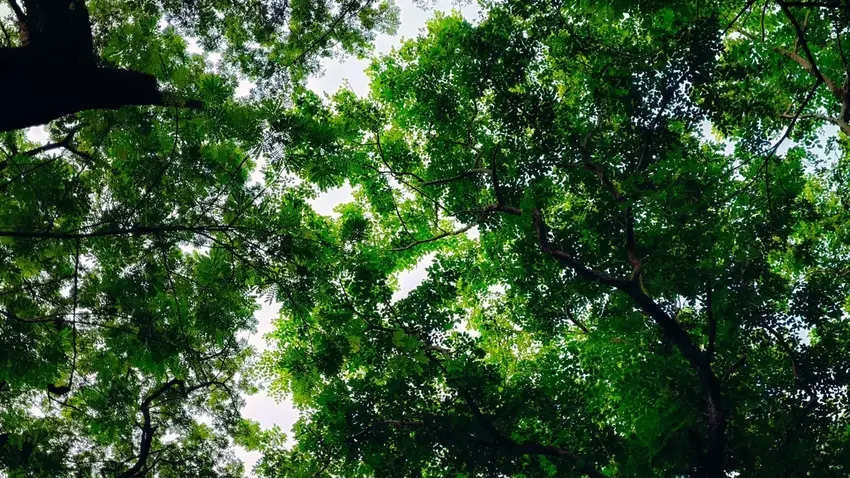
At four in the afternoon in November, a good tree on a Cambria lot is catching light the way a lampshade does – the fog has lifted just enough to let the low sun through, and the leaves at the edge of the canopy glow while the ones inside stay dark. That is the twenty-year picture I am planting toward when someone asks me to choose a tree. Not the nursery tag. The afternoon.
Cambria is a hard place to plant well and an easy place to plant wrong. Cool fog, salt air, shallow soils over rock, and a wet winter that drains – or does not – depending on which way your lot falls. Get the species right and you will do almost nothing to it for a decade. Get it wrong and you will spend that decade fertilising, staking and apologising.
Start with where the fog stops
There is a line, roughly where the marine layer gives out as you climb away from the water, and it changes everything. Below it: wind, salt, cool summers, and trees that expect a drink in the air. Above it: monterey pine doing what it wants, more sun, faster growth, and a different set of pests. Walk your own property at the same hour on two different days before you buy anything.
You are looking for that line, because a tree on the wrong side of it will be chronically unhappy for reasons no amendment fixes.
Three kinds of tree, three jobs
- A canopy treefor shade and structure: pick something that wants fog, tolerates wind, and does not need deep soil. Let it be the tallest thing you own.
- A mid-layerfor screening and scale: smaller, denser, forgiving of a narrow strip between houses.
- Something small and toughnear the street, where salt spray and reflected heat are worst.
Resist the catalogue temptation to fill the lot with one species. A monoculture of anything is a buffet for the first pest that finds it.
Sizing, before beauty
Read the mature spread, not the height on the tag. A tree that reaches forty feet across does not belong twelve feet from a fence line, no matter how it looks in a one-gallon pot. This is the single most common mistake I am asked to design around, and by the time I am asked, the tree is five years old and the conversation is now about pruning instead of placement.
The safety lesson
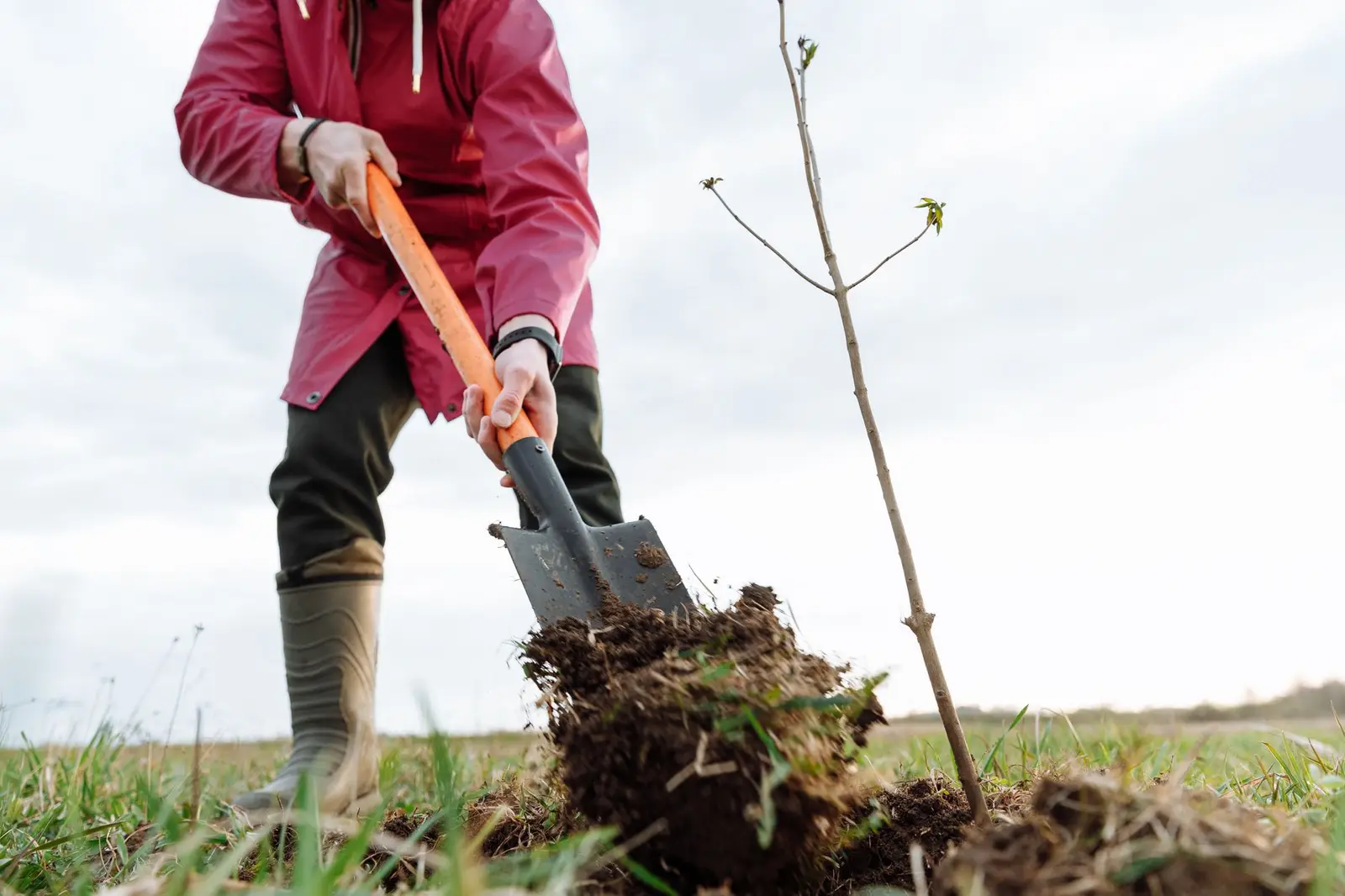
Before the shovel touches the ground, call 811 – the free utility-locate service – and wait for the marks. Roots are not the only thing under your lawn: there are gas, water, power and communications lines, and they are frequently shallower than anyone expects. Digging through a service is the classic do-it-yourself injury in a planting project, and the locate is free, fast and legally expected.
Second rule, just as firm: never plant a tree that will grow into overhead conductors. The utility will one day cut it back hard, badly, or both, and the tree will spend its life deformed because it was planted in the wrong place.
Finish it properly
Plant high – the root flare at or above grade, never buried. Water deeply and infrequently rather than a daily sprinkle.
And mulch, but not against the trunk: a ring of coarse mulch held a few inches back from the bark keeps moisture even, suppresses weeds and feeds the soil as it breaks down, which is exactly what a young tree’s roots need to establish. Tell us about your lot and we will tell you honestly which side of the fog line you are on.