How Often Is Too Often: A Pruning Cycle That Matches Growth
Quick answer: How Often Is Too Often: A Pruning Cycle That Matches Growth — Pruning is a plan before it is a cut: deadwood and broken limbs first, then clearance from roofs, wires and paths, then the structure the tree will carry for the next decade. The right cut heals and the wrong one invites decay, which is why the order matters more than the number of cuts.
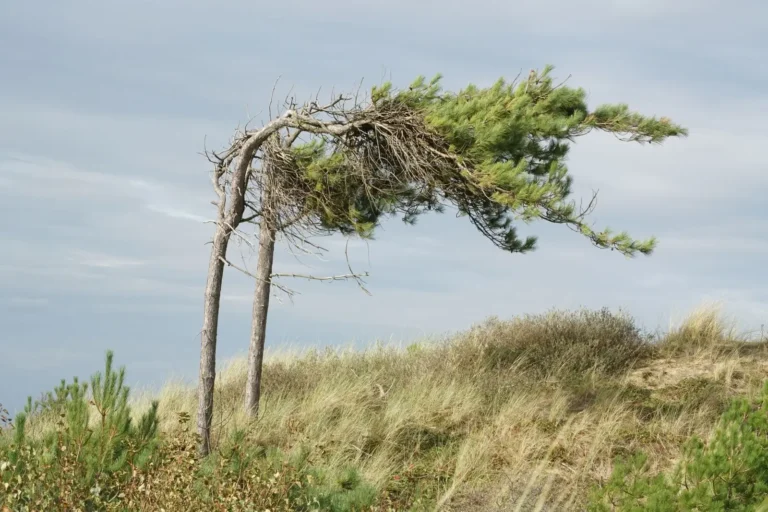
Field note. What we see on this coast is a pruning calendar that does not match the inland one: salt air, fog and wind mean a cut that would be minor in the valley can be the one that opens a crown to decay here, so we look at the species and the exposure before the season.
On the other hand, not every tree wants to be pruned: leaving a healthy canopy alone is a decision that pays, and a tree with plenty of space is often better served by doing nothing.
The most common pruning mistake on this coast is not a bad cut. It is a good cut made too soon after the last one. A crew that comes every year because the calendar says so is selling maintenance, not care, and the tree pays for it in stored energy.
The number that governs the cycle
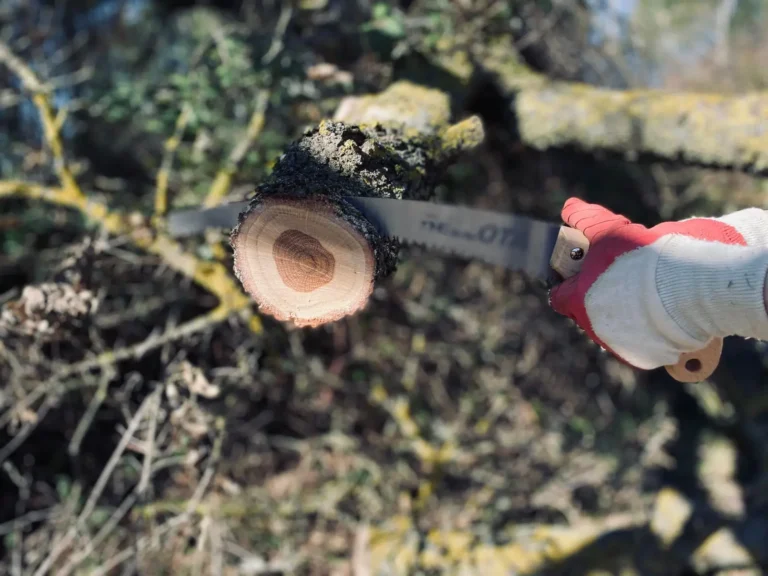
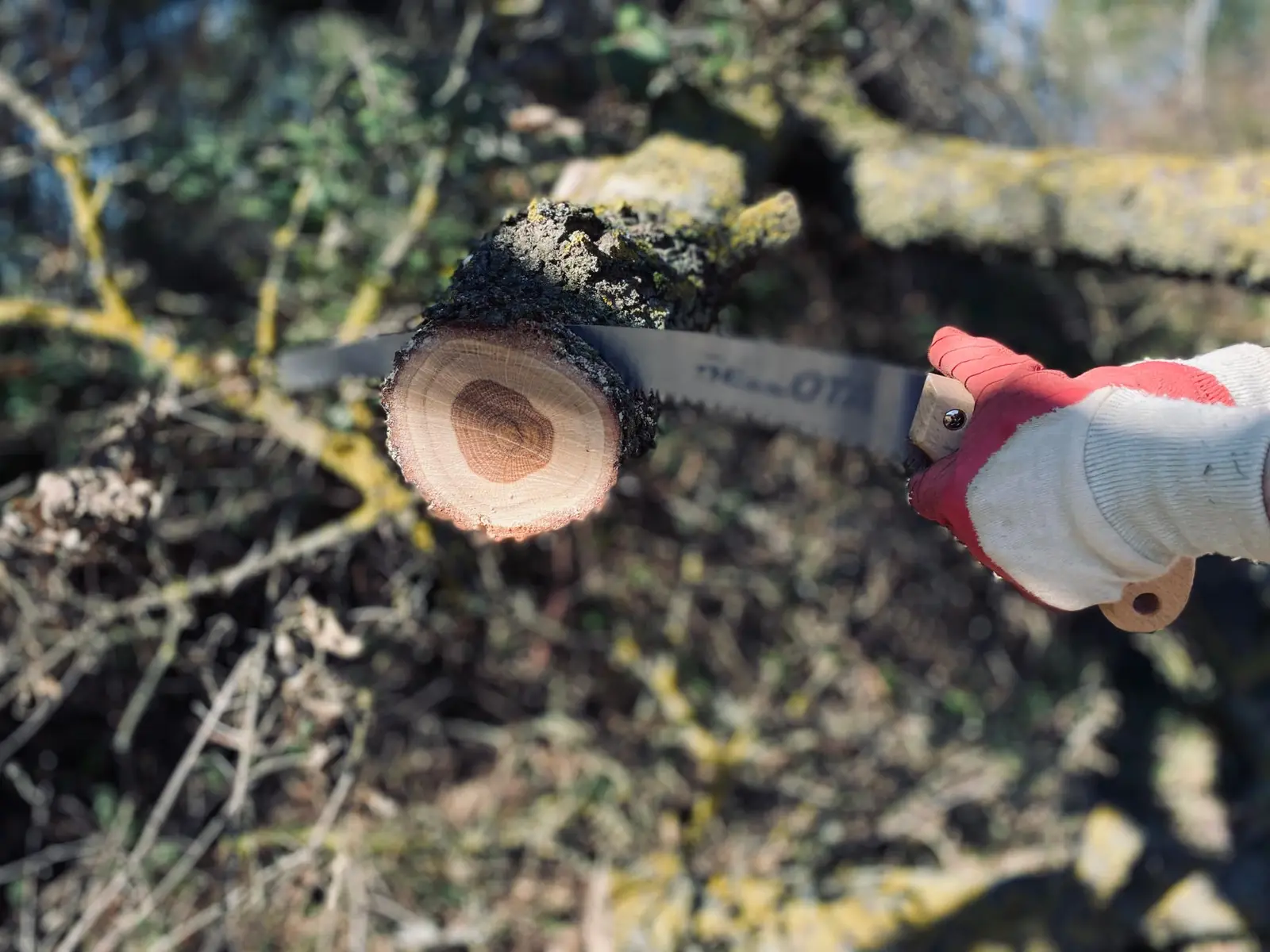
Trees do not heal. They seal. A wound is closed by a roll of new wood that grows from the edges inward, and the rate of that roll depends on species, vigour and water. A coast live oak may close a two-inch wound in three or four years. A Monterey pine may close it faster and then die of something else first. A cypress may never close it.
Until the roll meets in the middle, the wound is an opening. Pruning again before it closes re-opens the same tree to the same fungi and removes the leaves that were paying for the repair.
A working cycle for this coast
Mature native oaks: every five to seven years for structural work, and deadwood as needed. An oak that has been pruned every two years for a decade is usually over-pruned and showing it in the crown.
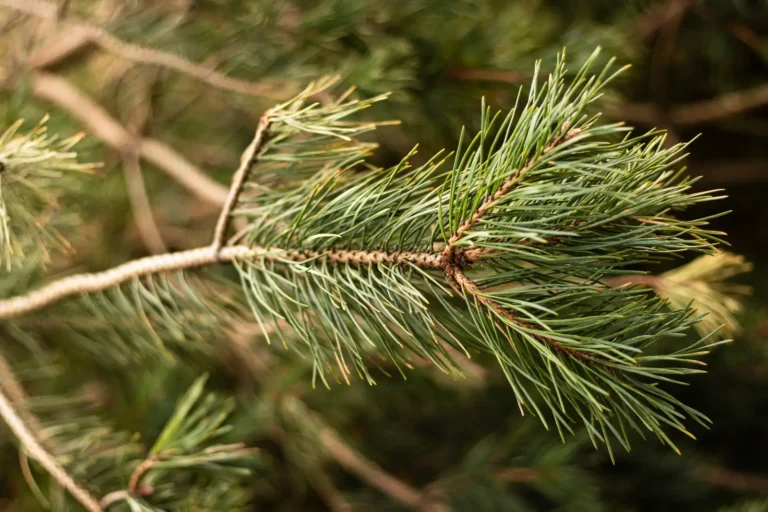
Monterey pine: three to five years, mostly deadwood and clearance. Pines are fast and brittle; the goal is to remove weight and dead material, not to shape.
Ornamental and fruit trees: annually to every three years, because the fruit is the point and the growth is managed.
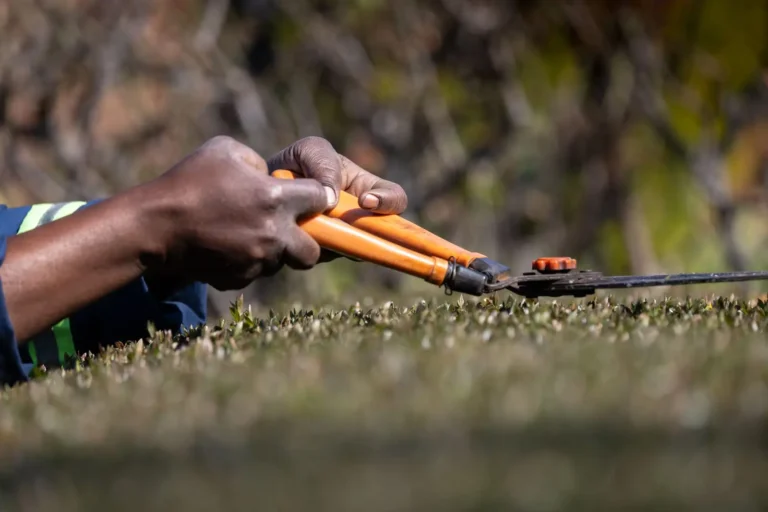
Hedges and screens: once or twice a year, which is a different activity with different rules.
The signs you are on the wrong cycle
Water sprouts on the limbs and trunk mean the tree is trying to replace leaves you removed. A thinning crown with long, weak shoots means the same thing. Cuts that still have a visible lip two years later mean the tree did not have the resources to close them, and the answer is less pruning, not more. Bark dying back around old wounds is the late version of the same story.
Why the coast runs slow
Cool summers and fog reduce the growing season compared with the inland valleys, so the same species closes wounds more slowly here. A schedule copied from a Fresno arborist will be roughly twice as aggressive as this coast can absorb. That is not a reason to skip work; it is a reason to make each visit count and then leave the tree alone.
The practical rule: prune when there is a reason — a dead limb, a clearance problem, a structural defect, a sight line — and then wait until the woundwood tells you the tree has caught up. The calendar is a poor arborist. The tree is a better one.