The Hollow Oak Is Not Necessarily a Dead Oak
Quick answer: The Hollow Oak Is Not Necessarily a Dead Oak — Most tree trouble on the Central Coast is identified before it is treated: a borer, a canker and a drought-stressed root system can look the same from the ground, and each has a different answer. Diagnosis is the first cut — host, sign and season — and the least-toxic control that fits comes after it.
Field note. What we see on this coast is that the tree under fog is often the healthier one and the tree on a hot exposed edge is the one that gets hit — stress is the invitation, and the coast hides it well.
On the other hand, treatment is not always the kindest answer: for a hazard tree with internal decay, careful removal protects the neighbours, and replanting does more for the site than a season of injections.
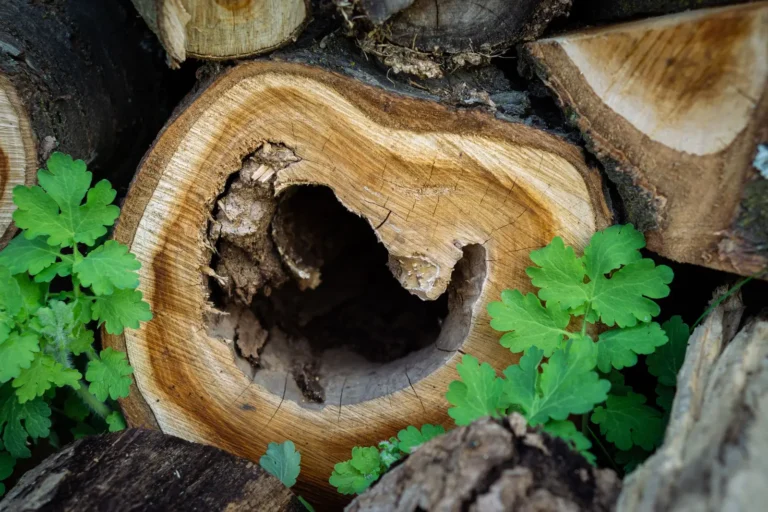
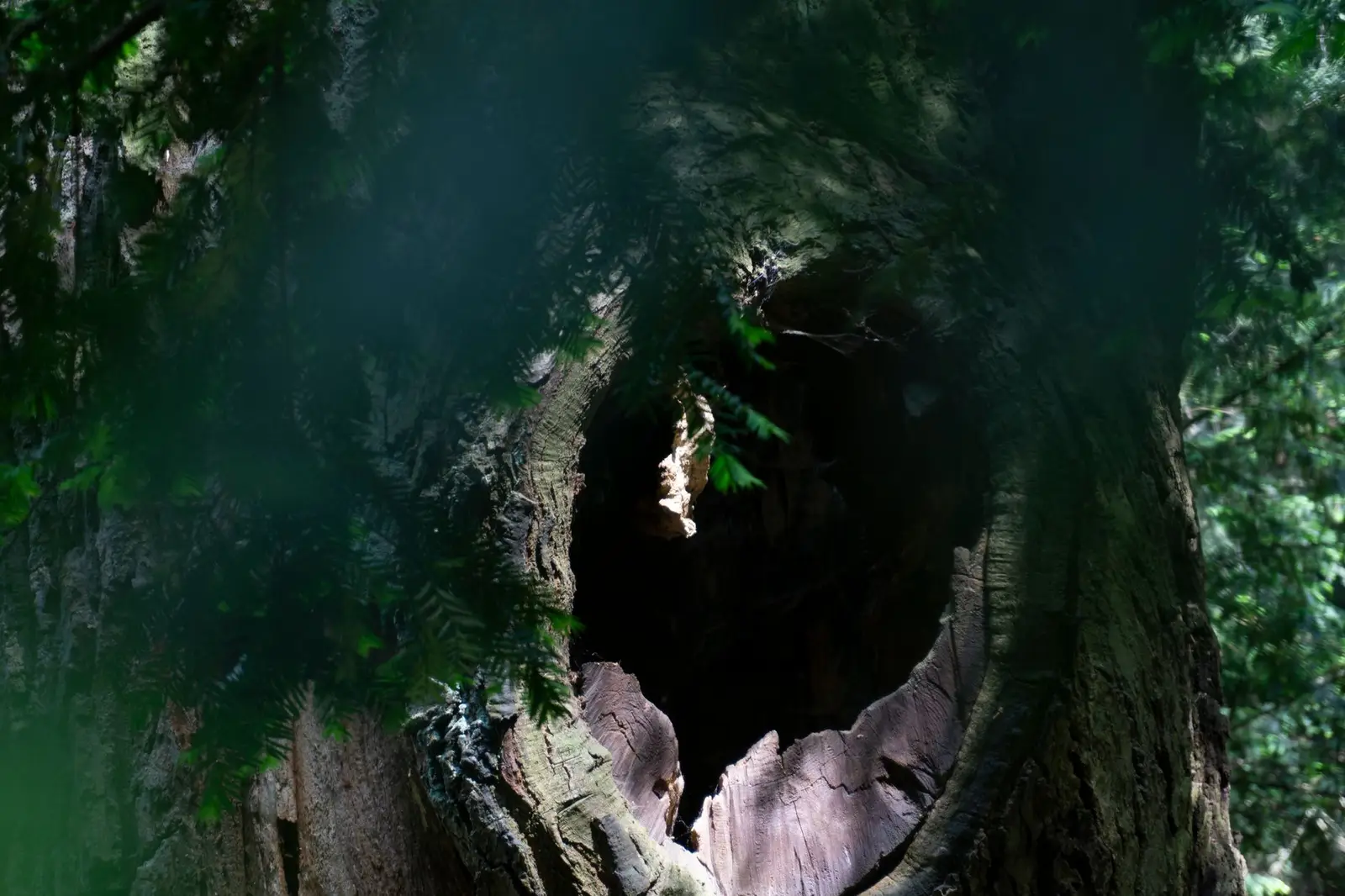
Somebody puts a hand into a cavity at chest height and the whole property changes. The tree was fine last week. Now it is a hazard, and the conversation turns to removal before anyone has measured anything. Most of the time the cavity is older than the house, and the tree has been standing with it through every storm since.
Where the strength actually is
A tree is a tube, not a column. The load is carried by the outer ring of wood, and the centre — the heartwood — is mostly dead tissue that provides stiffness rather than strength. A hollow centre therefore removes less capacity than intuition suggests. Engineers who model trees treat a hollow trunk as a pipe, and a pipe with a modest wall thickness can be surprisingly strong.
The rule of thumb used in risk assessment is the t/R ratio: the thickness of the sound wood wall compared with the radius of the trunk. When the wall is thick relative to the radius, the tree is usually fine. When the wall becomes thin, the margin goes away quickly, because the capacity falls faster than the wall thickness does.
The signs that change the verdict
An opening that spans a large share of the circumference. A cavity you can see through is a different object from a pocket. Measure the opening and the trunk; the ratio matters more than the absolute size.
Sound wood on one side only. A trunk hollowed on the windward side has lost its brace. A trunk hollowed on the lee side is a different calculation.
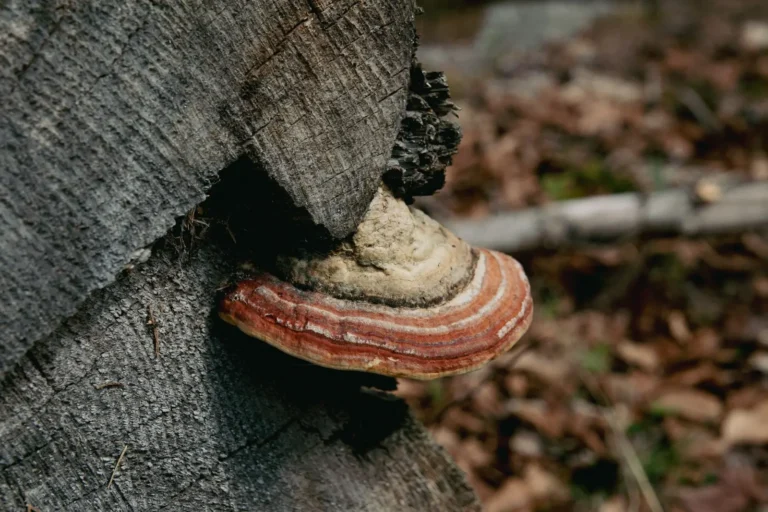
Fungal fruiting bodies. A conk at the base is evidence that decay has reached the structural roots. A conk halfway up is evidence about that section. Neither is a diagnosis of the whole tree, but a base conk changes the risk profile.
A lean that is increasing. Measure it. Mark the trunk and the ground, photograph it, and check again in six months. A static lean is history; a moving lean is a mechanism.
What the inspection actually measures
A proper assessment uses a sounding mallet, a probe, and often a resistograph or sonic tomograph to map the remaining wall. The output is not a yes or no; it is a picture of how much sound wood is where, combined with what the tree could hit if it failed. A hollow tree in the middle of a meadow with nothing to strike is a different risk from the same tree over a bedroom, even with identical measurements.
That is why the target matters as much as the defect. Risk is the product of likelihood and consequence, and a homeowner can change the consequence by moving the picnic table, the car, or the shed.
What not to do
Do not fill a cavity with concrete. The old practice is still recommended by some landscapers and it is wrong: concrete does not bond to wood, it holds moisture against the wound, and it makes the tree heavier at the point where it is weakest. Do not drill drainage holes into a cavity either; the tree already has a drainage path and the hole is a new wound.
Do not cut the cavity out. Cleaning a wound back to sound wood is cosmetic surgery on an organism that has been compartmentalizing decay since before you were born. The tree’s own boundary layers are doing the work.
The honest position: a hollow trunk is a reason to have the tree assessed, not a reason to remove it. The trees that fail are usually the ones with a thin wall, a moving lean, a base conk, and a target. A cavity on its own is a story about the past, and the tree has already survived the ending.